

Kumano Kodo Complete Guide (How I Would Plan It)

Preface: I hiked the Nakahetchi route in July of 2023. I chose to do it in 4 days / 5 nights, starting in Kii Tanabe and ending in Kii Katsura. We took a local bus to the start of the trail at Takajiri Oji and from the end at Nachi Falls to Kii Katsura but walked the ~75km in between.
This guide is a high-level overview of all the Kumano Kodo options (because there’s a lot!). For a detailed guide of the Nakahechi Route read this article here.
As a keen hiker, traveller, and someone who has always been fascinated by Japanese culture, I was eager to take on the famous Kumano Kodo ever since I first heard of it a few years ago. This ancient pilgrimage trail has been in use for over 1000 years and is a UNESCO World Heritage site. It is one of the most famous pilgrimage routes in Japan and is said to have spiritual power.
Unfortunately finding good information about what the Kumano Kodo is is kind of hard..
For instance, it’s actually a series of trails, not just one – so you can’t do it all at once.
It’s also best to book your accommodation through the Kumano Travel website, but you’ll need to do it at least 2 months in advance!!
In this blog post, I will share my experiences hiking the Kumano Kodo, and provide you with a detailed guide to help you plan your own trip.
Table of Contents
The Short Version
If this is your first Kumano Kodo hike, walk the Nakahechi route from Kii-Tanabe to Nachi Falls, book through Kumano Travel as early as you can, and give yourself at least 5 nights on the route.
That is the version I would actually book. Most people walk west to east, starting from Tanabe, taking the bus to Takijiri-oji, then finishing around Nachi Falls or Kii-Katsuura. It feels contiguous, which is the whole magic of the Kumano Kodo. You are not jumping in and out of pretty sections. You start walking and slowly disappear into rural Japan.
The accommodation is not a side detail. For me, the family-run minshuku and ryokan stays were probably the best part of the whole thing: tiny dinners, baths, packed lunches, hosts who somehow know exactly what a sweaty foreign pilgrim needs before the sweaty foreign pilgrim does.
Book the stays first. Then build the route around whatever rooms you can actually get. Doing it the other way around is how you end up with a beautiful spreadsheet and nowhere to sleep.
What the Kumano Kodo Actually Is
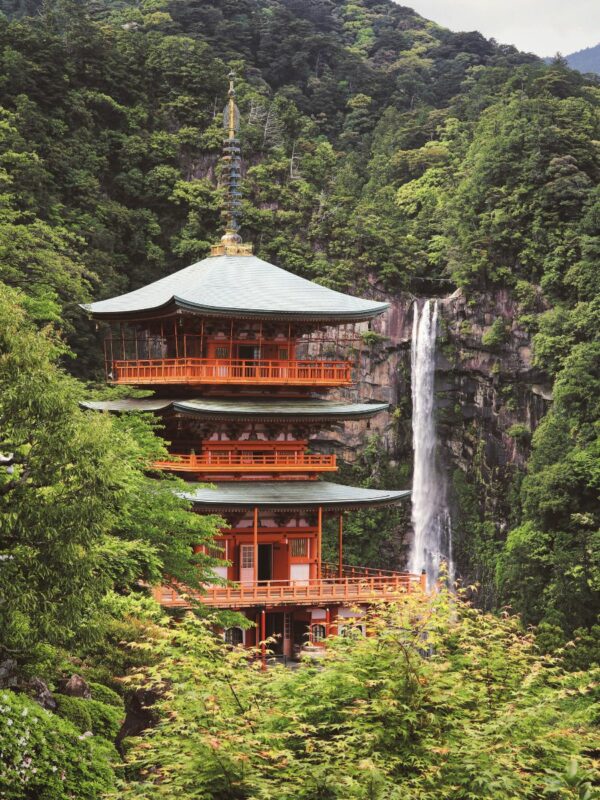
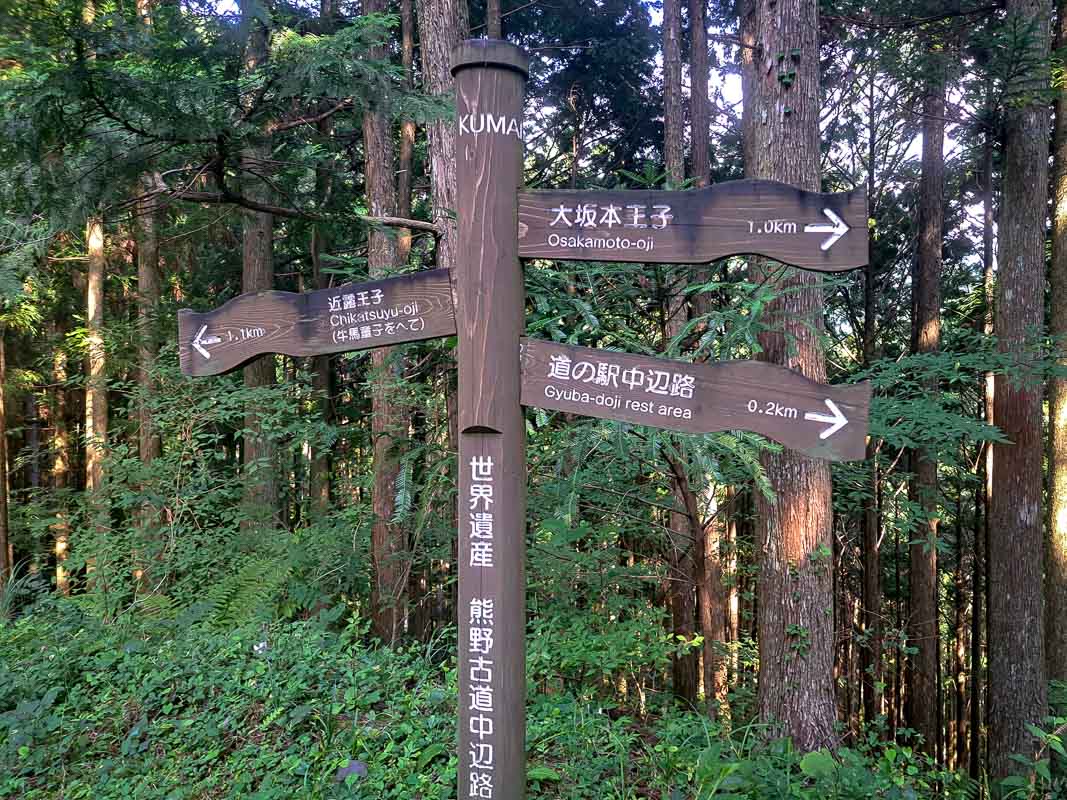
The Kumano Kodo is a network of pilgrimage routes leading through the Kii Mountains to the Kumano Sanzan, the three grand shrines of Kumano: Hongu Taisha, Hayatama Taisha and Nachi Taisha. The routes have been walked for over 1,000 years, first by emperors and aristocrats, then by ordinary pilgrims, and now by people like us with blister tape, Google Maps and too much faith in one pair of socks.
The route most international hikers mean when they say ‘the Kumano Kodo’ is the Nakahechi. The Tanabe City Kumano Tourism Bureau describes it as the core route through the region, and that is the version I would recommend for almost everyone.
It is not wilderness in the backcountry sense. You pass villages, roads, vending machines, shrines, bus stops and guesthouses. But because you keep moving on foot, and because the towns are small enough that the trail still feels like the centre of things, it has a proper pilgrimage feel.
Choosing Your Route
The route described in this article is the Nakahechi Route, which is the most popular and well-known route of the Kumano Kodo. However, there are two other routes worth understanding before you lock anything in: the Kohechi Route and the Iseji Route.
They are all part of the same wider pilgrimage network, but they are not interchangeable. Nakahechi is the classic first-timer route with the best infrastructure. Kohechi is the tougher mountain crossing between Koyasan and Hongu. Iseji is the longer coastal approach from Ise toward the Kumano Sanzan.
The trap is reading about all three and thinking you need to somehow combine them. You do not. Pick the route that matches the trip you are actually taking, then give it enough time to work properly.
Option 1: The Nakahechi Route
The Nakahechi Route is the most popular and well-known route of the Kumano Kodo. The Tanabe City Kumano Tourism Bureau treats it as the core route through the region, and that is exactly how it feels on the ground: shrine towns, forest, onsen, small villages and enough infrastructure to make the trip possible without turning it into a guided expedition.
This is the one I did, and it is still the route I would tell most people to book. It usually takes 4-6 days depending on pace, accommodation availability and whether you add side trips around Yunomine, Kawayu or Hongu.
Duration: 4-6 days
Distance: roughly 70-75km depending on exact start/end points
Difficulty: easy to moderate hiking, but harder in summer heat
Option 2: The Kohechi Route
The Kohechi Route is the mountain route between Koyasan and the Hongu area. It is shorter on paper than the Iseji, but it crosses several high passes and has fewer accommodation options, so it is not the easy alternative.
I would look at Kohechi if you have already done Nakahechi, or if the idea of linking Koyasan to Hongu through a harder, quieter mountain crossing is the whole reason you are going. For a first Kumano trip, I would usually leave it alone.
Duration: around 4-5 days
Distance: roughly 65-70km
Difficulty: moderate to challenging
Option 3: The Iseji Route
The Iseji Route is the coastal approach from Ise toward the Kumano Sanzan. It is longer, more spread out, and historically important because it connected pilgrims from the Ise Grand Shrine side down toward Kumano.
This is the route I would choose if I cared more about coast, fishing villages, stone passes and a slower regional journey than the classic Nakahechi pilgrimage feel. It sounds brilliant in its own way, but it is not the simplest first version.
Duration: usually tackled in sections
Distance: roughly 170km if you take on the broader route
Difficulty: moderate, with logistics being the bigger challenge
If you are choosing between Japan walks more broadly, read my Kumano Kodo vs Nakasendo comparison. Short answer: the Nakasendo is easier to sample, but Kumano feels much more like a continuous journey.
My Nakahechi Route at a Glance

I started in Kii-Tanabe, took the bus to Takijiri-oji, and walked east toward Hongu, Koguchi, Nachi Falls and Kii-Katsuura. That west-to-east direction is the normal rhythm and makes the finish feel properly earned.
There are different ways to slice it, but a normal first-time plan looks something like this:
For distances, elevation, exact towns and what each walking day is actually like, use the Nakahechi route guide. I am deliberately not trying to cram that whole article in here. That way lies madness, and a 6,000-word page where every heading says roughly the same thing.

The Kumano Travel booking walkthrough, a printable packing checklist and budget planner, the trail map and the full Google Maps pin set — one instant download.
Get the Planning Kit — $27What the Trail Feels Like
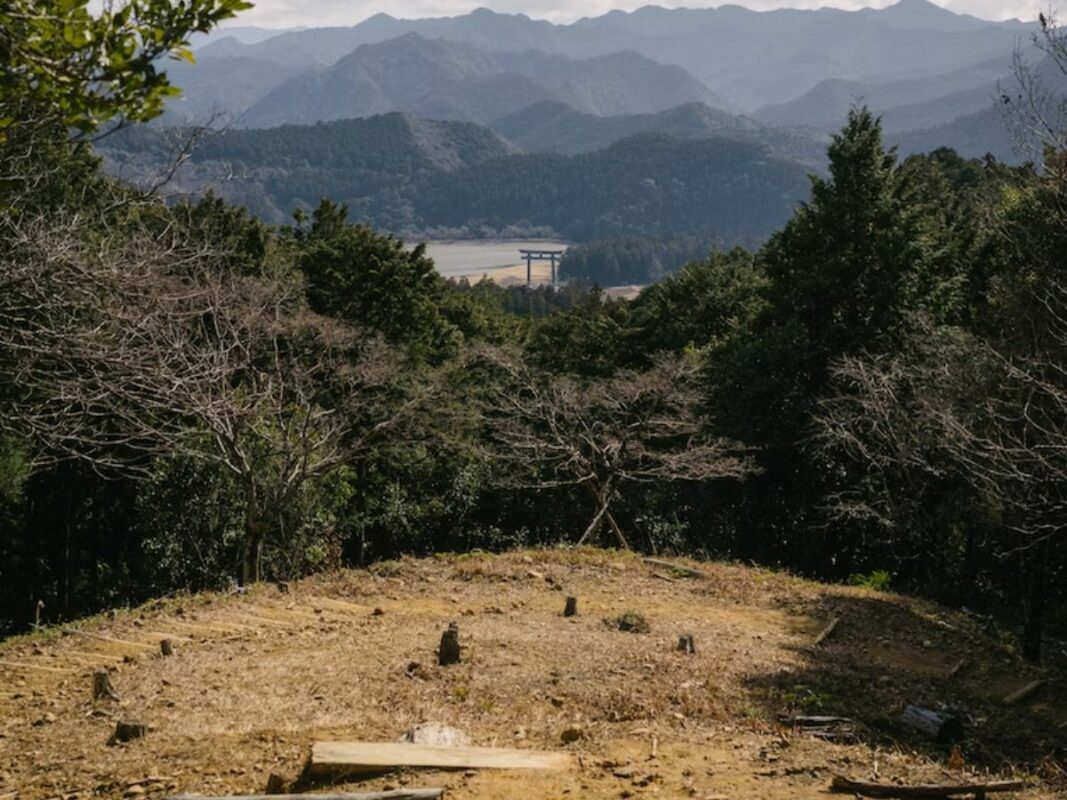
The best way I can explain the Kumano Kodo is that it feels less like a hike you are ticking off and more like a rhythm you drop into. Wake up, eat whatever beautiful breakfast your host has prepared, collect your bento, walk through forest and villages all day, arrive sweaty, bath, dinner, repeat.
There are famous sights along the way, of course: Hongu Taisha, Oyunohara, Yunomine Onsen, Daimon-zaka, Nachi Taisha and Nachi Falls. But the trip is not only a shrine checklist. The little bits between them are where the route gets under your skin.
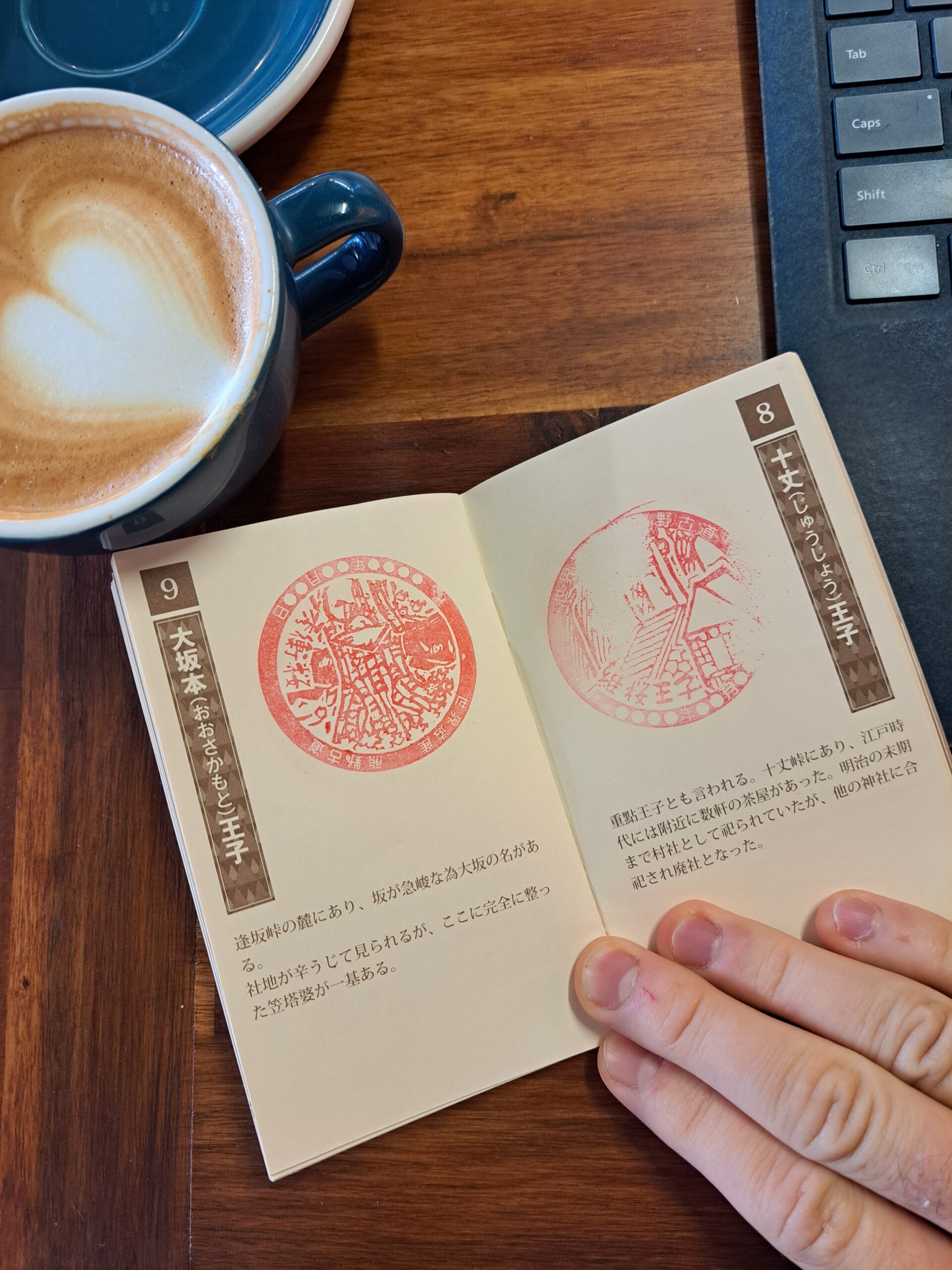
Collecting the little stamps along the way sounds like the sort of thing you might forget about after day one. I did not. There is something very satisfying about arriving somewhere sweaty, finding the stamp box, and proving to yourself that yes, you have in fact dragged your body to the next place.
That is why I would rather do Kumano over a disconnected set of pretty day walks. The immersion builds slowly. By the time you reach Nachi, the final drop toward the waterfall feels like the end of an actual journey, not just the end of a nice forest track.
How Hard Is the Kumano Kodo?

The Nakahechi is not technically difficult, but it is more physical than a lot of people expect. You are not scrambling up exposed rock faces, but you are climbing and descending all day, often on stone steps, forest paths and rooty tracks that get slick when the weather turns.
I did it in July, which was a terrible idea in the very specific way that hot, humid, 35-degree mountain hiking is a terrible idea. I have never sweat so much in my life. A staircase felt personal.
If you are reasonably fit and used to hiking, the standard Nakahechi route is very doable. If you are not, take the 5-day version, use luggage transfer, and stop pretending suffering is a personality. You will enjoy the shrines, dinners and onsen far more if you are not dragging a full travel pack over every hill.
Good map habit: pick up the official paper map from the Tanabe Tourist Information Centre, Takijiri-oji, or the Hongu Heritage Centre. The local tourism bureau also hosts downloadable route maps if you want to plan before arriving.
Accommodation Is the Trip

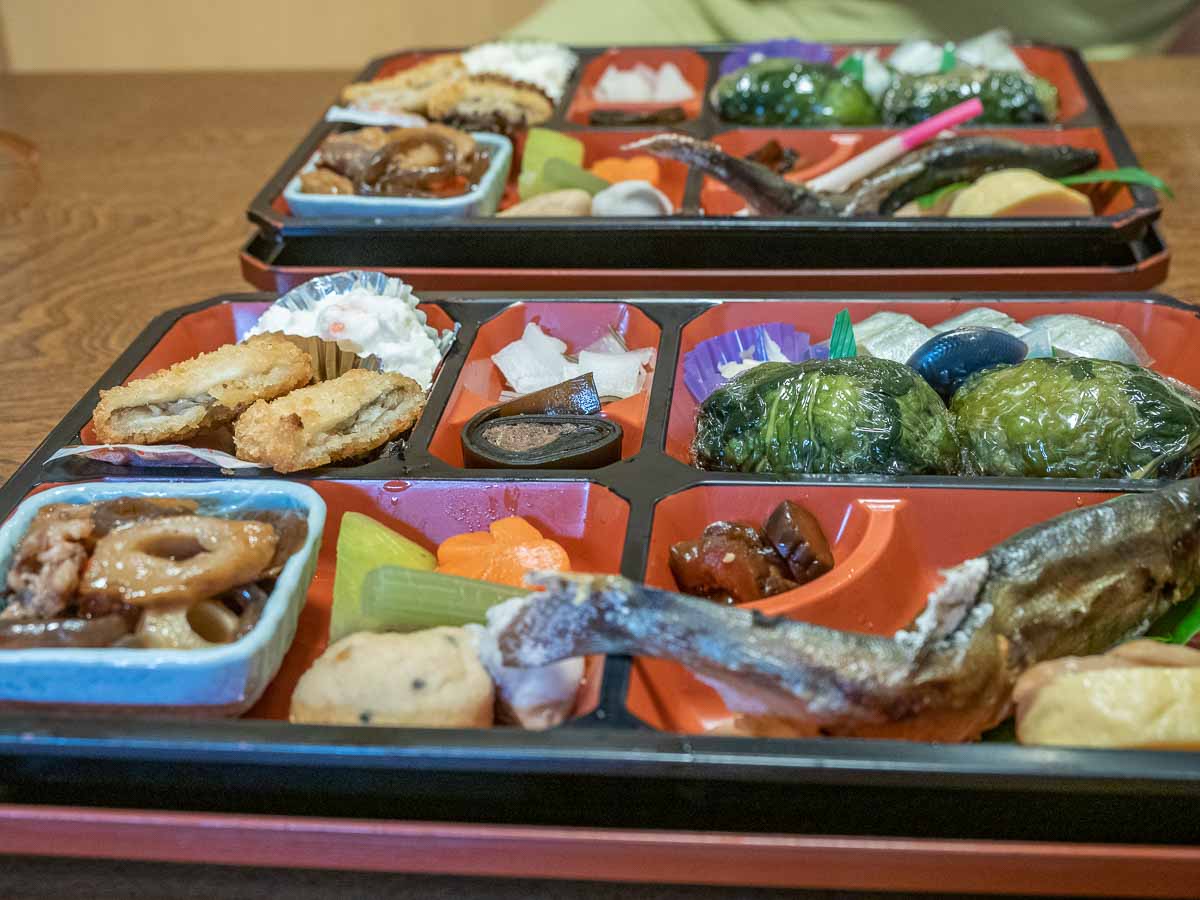
One of the highlights of my Kumano Kodo trip was the accommodation. There are not really fancy resorts on the trail. Instead, you get minshuku, ryokan, guesthouses and small family-run stays, often with dinner, breakfast and a packed lunch sorted for the next day.
Honestly, this was the best part of the Kumano Kodo for me. The walking is good, the shrines are important, the forests are beautiful, but the little evenings in family-run places are what made the whole thing feel different from just another multi-day hike.
The catch is booking. You have two main pathways: Kumano Travel for local accommodation on or near the trail, and Booking.com for more western-style hotels or gateway-town stays. I would start with Kumano Travel, then use Booking.com for Kumano Kodo gateway towns when you need a backup in Tanabe, Kii-Katsuura, Kawayu or Hongu.
Tip: Do not plan the perfect route first and then try to force accommodation into it. Start with my Kumano Kodo accommodation guide, check what is actually available, then shape your walking days around that.
Booking Through Kumano Travel
Kumano Travel is the official community reservation system for the area, and it is still the most useful place to start if you want the minshuku / ryokan version of the trip. It is also where a lot of the proper local logistics live: accommodation, bento lunches, luggage shuttle options and package-style route planning.
The annoying bit is that it does not behave like normal hotel booking. You submit requests, wait for confirmation, and build the trip with whatever is available. Very effective when it works. Not something I would leave until the week before.
One current wrinkle: Kumano Travel has been moving more of the process into its Dynamic Packages flow, so old screenshots and model-itinerary links around the internet can be stale. I have a separate Kumano Travel booking guide for the click-by-click detail, and that is the one I will keep updated when the booking flow changes.
Luggage Transfer Is Worth It

Japan has everything on tap – from vending machines for cooked wagyu beef to robots that serve you sake. Of course, they have figured out a way to make hiking easier too.
We sent our ‘rest of Japan’ luggage from Tanabe to Kii-Katsuura and carried only what we needed for the hiking days. In July heat, this was not a luxury. It was the difference between enjoying the trail and becoming a damp little pack animal with opinions.
Daily luggage shuttle can be arranged through Kumano Travel, but the current official conditions are tighter than a casual traveller might expect: the shuttle is tied to accommodation context, needs advance booking, and should be sorted well before you start. Read my luggage transfer guide before you rely on it.
When to Walk the Kumano Kodo
Spring and autumn are the obvious choices. March to May and October to November give you the best chance of walking weather that feels like hiking rather than a punishment invented by humidity.
Summer is possible because I did it, but I would not call it ideal. July was brutally hot and sweaty, and every river began to look less like scenery and more like an emergency cooling system. Very persuasive, rivers.
Winter can be quiet and beautiful, but days are shorter, mornings are colder, and remote accommodation/transport needs more care. If you are coming from overseas for one attempt, I would aim for spring or autumn and book early.
What It Costs
The Kumano Kodo is not wildly expensive by Japan standards, but it is not a bargain backpacker hike either. Accommodation with dinner, breakfast and a packed lunch does a lot of the heavy lifting, and you are paying for the whole rural hospitality system, not just a bed.
A realistic self-guided budget is usually accommodation plus meals, buses/trains to and from the trail, luggage transfer if you use it, and a few onsen / snack / shrine-town extras. I break my actual numbers down properly in the Kumano Kodo cost guide, but the short version is: do not compare it to camping in a national park. It is a different kind of trip.
What to Pack
Pack lighter than you think. You need proper walking shoes, rain gear, quick-dry clothing, cash, a small towel, blister tape, a battery pack and enough organisation to not be searching for socks at 6:30am while your host is handing you a bento.
You do not need to carry your whole Japan trip on your back. Use luggage transfer, send the bulky stuff ahead, and keep the hiking pack lean. My full packing list goes into the gear properly, including the boring bits that become very important after two wet days.
What I Would Add Around the Hike

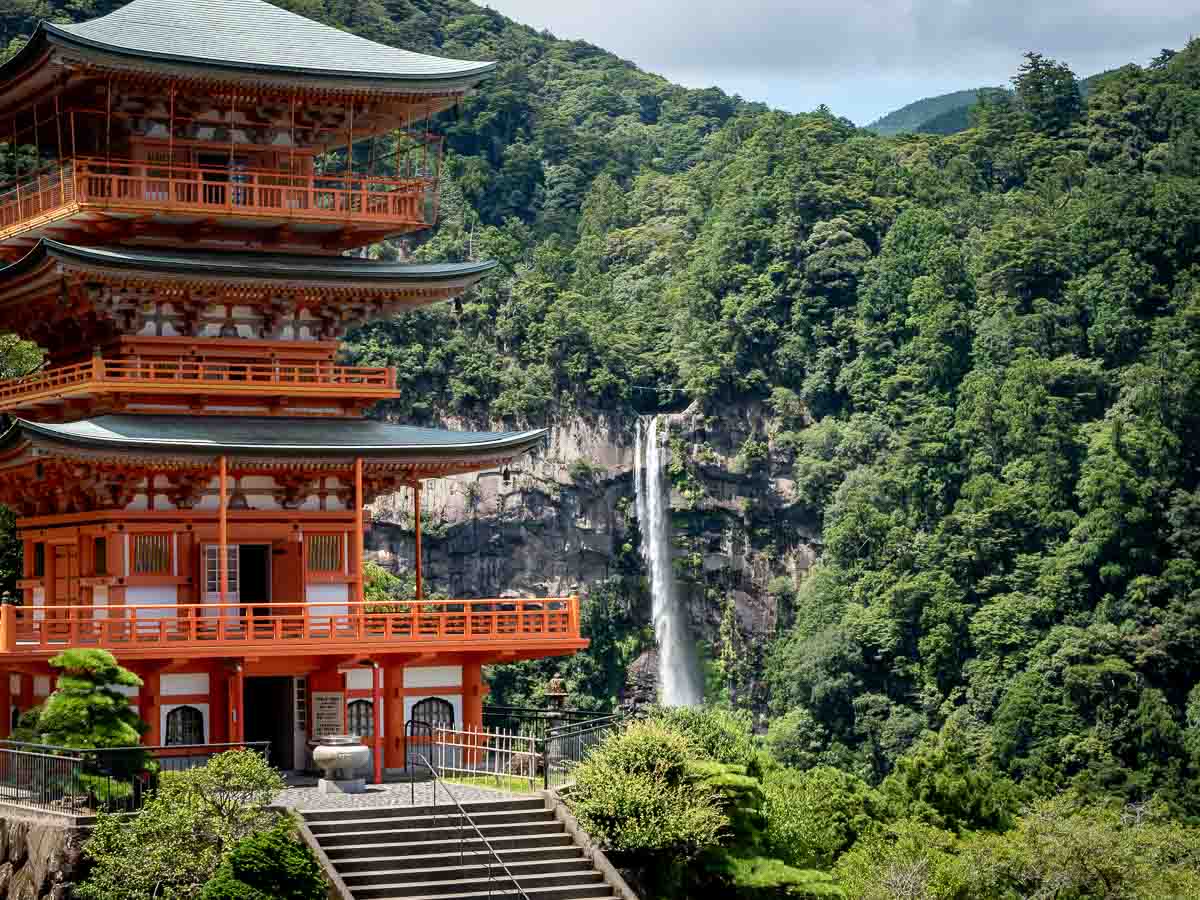
Do not treat the Kumano Kodo as four walking days and nothing else. The route is better when you leave room for the weird little extras: collecting stamps, soaking in onsen, swimming in rivers, eating a bento on a rock, and arriving in Kii-Katsuura with feet that should probably be reported to someone.
In summer, the river swims are not optional in spirit, even if they are optional on paper. I swam under bridges, at Koguchi, and later finished the trip near the coast. I wrote the proper list here: Kumano Kodo swimming spots.
I would also spend at least one night in Kii-Katsuura at the end. Go to the tuna auction early, eat tuna for breakfast or lunch, then put your post-hike feet into a foot onsen and apologise quietly to Japan. My Kii Katsuura guide covers that finish properly.
How This Kumano Cluster Fits Together
That is how I would plan it now: choose Nakahechi, book the sleeps, decide whether you are carrying your bag or sending it ahead, then let the details follow. The Kumano Kodo gets much easier to understand once you stop treating it like a single attraction and start treating it like a small moving village you walk through for a few days.
And if you are still deciding whether this or the Nakasendo is the right Japan walk, do not start with train logistics. Start with the feeling you want. Kumano is the one for immersion.
The Kumano Travel booking walkthrough, a printable packing checklist and budget planner, the trail map and the full Google Maps pin set — one instant download.
Get the Planning Kit — $27Kumano Kodo Travel Planning Cheatsheet
🚑 Should I buy travel insurance for Japan?
100% YES! — Japan has “free” healthcare but it’s only for citizens! Tourists need travel insurance in case anything happens on your visit. Also be aware many policies won’t cover hiking as it’s a high risk activity! (that’s right, check the t&c’s on your complimentary credit card insurance)
I highly recommend World Nomads as you can get specific add-ons for the crazy activities you’re doing – and starts at just $7 a day!
🏩 What’s the best way to book my Kumano Kodo accommodation?
Your only realy two options here are Kumano Travel and Booking.com. Its a complicated process so I wrote this guide here on the best kumano kodo accomodation options
If you don’t want to figure it all out (it’s meant to be a holiday after all) you can book a package tour. Here are my recommendations for both guided and self-guided.
💸How do you pay for things in Japan?
Japan may have flying robots.. but they also still use cash! So you’ll want to get some folding tender out from an ATM when you land. EFTPOS / Debit / Credit Card and Paywave (contactless payments) is common at bigger businesses but small bars, and street vendors want cash.
I personally use a Wise debit card for all my international money needs as they only convert the funds when you make payment, plus they offer a much better spread (margin on the true exchange rate) than the banks do. They work in all Japanese ATMs I tried.
→ Get the Wise card I use — set it up before you fly so it’s ready to tap the moment you land.
🚙 Do you need to rent a car in Japan?
I wouldn’t reccommend it — Transport in Japan is expensive whatever mode you chose, but fortunalty the publc transport system is out of this world in terms of both freqency and coverage. If you are heading to a lot of off the beaten track places, then you may want a rental. I use Discover Cars to find the cheapest rates on rentals cars and remember you can save money if you avoid picking up at the airport.
🚆 What about the JR Rail Pass?
We didn’t – but it depends on the length and itenirary of your trip. The JR Pass is expensive (and just went up in price again!) and if you’re walking the Kumano Kodo you wont need it for probably 6 days straight anyway.
Do the math, but in most cases buying the train fares you need, when you need it will work out more afforably overall – and give you more flexibility (as the JR Pass doesn’t cover all lines)
📲 How do I get internet/data/wifi in Japan and on the trail?
This one needs a whole nother article, but the short version is;
- local SIM cards are cheaper but generally require a fixed term contract (not practical for people visiting)
- Tourist ‘short stay’ SIMs are a bit more expensive but will give you plenty of data while your visiting and are best for solo travelllers.
- If you’re travelling as 2 or more people, renting a pocket WIFI unit from the airport is the most economical option – Works out cheaper than getting two tourists sims
- Use a travel eSIM like Airalo or Airalo. This works from the moment you land is is SOOOOO much easier than trying to pick a data pack in japanese. It also gives you connectivity across neighbouring asian countries if you buy a regional sim! TIP: Grab your Airalo eSIM before you fly and you’ll have data the moment you land, with no hunting for a SIM kiosk.
✈️ What’s the best site to buy flights to Japan?
For finding cheap flights, I recommend Skyscanner. Once you find the flight you’re looking for, I’d then suggest booking directly with the carrier (even if it costs a few $$ more than with one of the agreggators/agencies).
💧Can you drink the water on the Kumano Kodo?
Yes — Japan is very clean. In all townships you’ll pass through and stay along the Kumano Kodo the tap water is drinkable. If you want to drink water from the rivers and streams you generally can but should do so at your own risk. ALWAYS follow best practice and drink from fast flowing water as far up stream as possible. I drank the water and was fine.. but i’d generally recommend a Brita Water Bottle for rehydrating on the trail safely.
🎫 Do I need a visa for Japan?
Likely Not — Japan now recognises 70 countries as ‘visa exempt’ for short term stay. So if you’re a US, UK, NZ, AU and EU passport holder you don’t need a Japansese visas. However, some other countries do (check here!). And if you plan to stay for more than 90 days (an average tourist visa length), you will need to look into the Japanese working holiday visa scheme, or the new Digital Nomad visa scheme.


