

Te Paki Coastal Track: My 4-Day Route + Closure Update

If you are looking for a stunning adventure in the winterless north, I highly recommend the Te Paki Coastal Track – when the full route reopens.
This four-day tramp takes you along 48 km through the most diverse landscapes Te Tai Tokerau has to offer. Te Paki trail weaves across pristine beaches, towering sand dunes and martian landcapes, and right past the iconic Cape Reinga lighthouse.
In terms of scenery, I fully believe this is a Great Walk level hike – Its just the facilities (lack of lodging to be precise) that lets it down. There are no huts, no shops and very little shelter. You carry the tent, food and a serious amount of water yourself.
I can’t stress enough the beauty of this trail. It completely exceeded my expectations!
Unfortunately, you cannot currently repeat my full four-day walk. The recount below shows what the complete route is like, but use it for future planning rather than trying to sneak around a long-term closure.
Table of Contents
The Short Version
Right now, do not plan the full four-day walk. The eastern half is closed and Pandora campsite is shut. You can still walk the open western section from Cape Reinga to Te Paki Stream, camping at Twilight, but you need one-way transport at either end.
When the full route reopens, the clean four-day version uses Pandora, Tapotupotu and Twilight before finishing at Te Paki Stream. Sort the finish transport first and carry enough water to cope with a dry tank. Pack your togs too. These are some of the best swimming beaches in the country, although the lagoons are often a much smarter bet than marching straight into west-coast surf.
Why I Recommend the Full Track When It Reopens
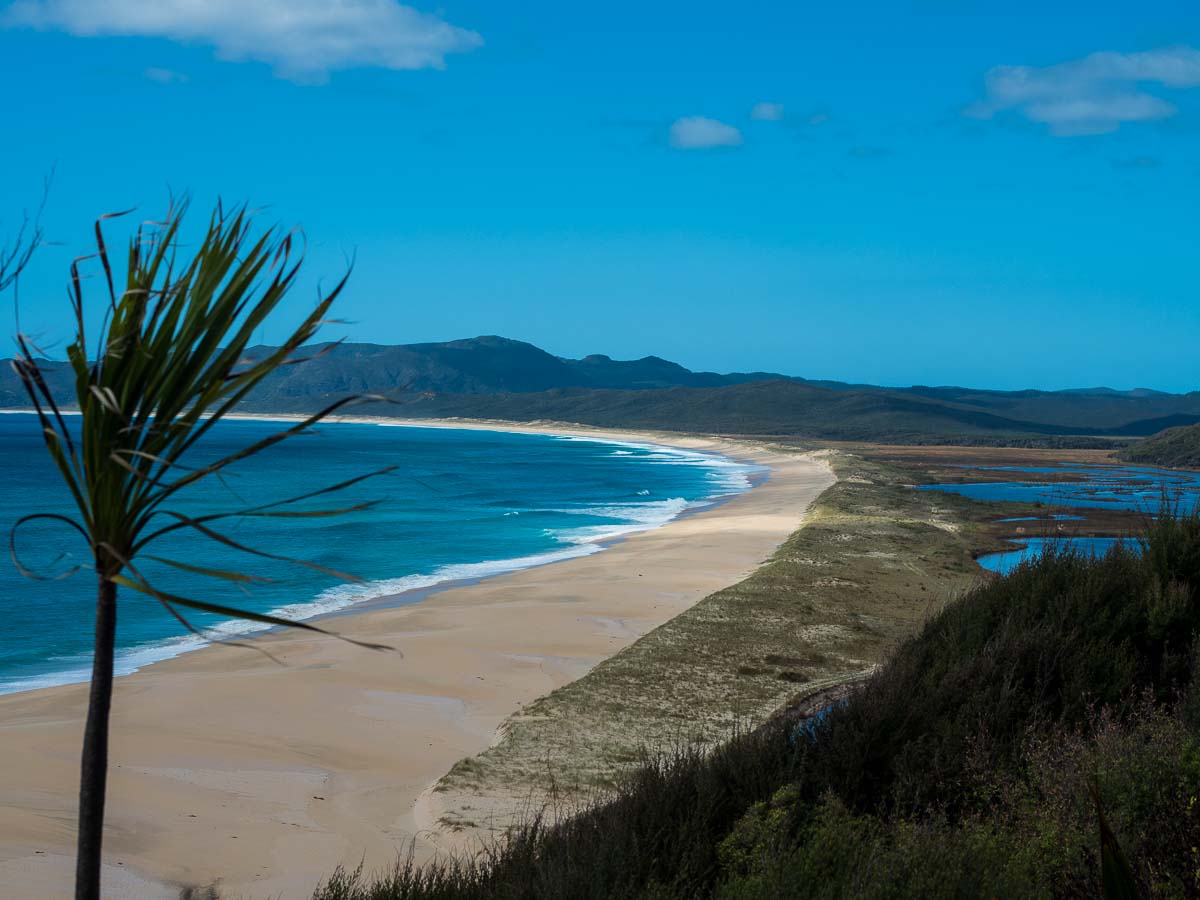
You’ll get crystal-clear water, which i reckon belongs beside the best beaches in New Zealand, then climb directly from the sand to huge lookout points. Around the next headland, the green coast disappears and everything turns into dunes. It feels properly remote.
It is also a fun trail, with plenty of ascents and descents rather than four days of trudging along one endless beach. Although it is quite hard with a full camping pack, it is very doable for a beginner or intermediate multi-day hiker who arrives prepared.
The scenery is doing some fairly heavy lifting here.

My 4-Day Te Paki Route (Currently Partly Closed)
This is a recount of the complete route I walked, not a currently available four-day itinerary. My full route involved camping at Pandora, Tapotupotu and Twilight, with walking days of 9 km, 9 km, about 14 km and 11 km. There is no official campsite at Te Werahi Beach, and Pandora is closed along with the eastern track sections.
Day 1: Kapowairua to Pandora (Closed)
The track begins at Kapowairua / Spirits Bay, which is a pretty outrageous place to start. You can follow the beach or take the firmer inland track, then look for the orange marker leading across the dunes towards Waitahora lagoon.
The distance is only 9 km, so there is no need to race it. This is your chance to get the pack sitting properly, swim, and remember why carrying your bedroom around Northland seemed like a good idea.
When open, Pandora is a genuinely basic campsite: shelter, non-flush toilet and untreated tap water. The rock pools just beyond camp were worth a look once the tent was up. Pandora campsite is currently closed.
Heads up: Waitahora lagoon can flood after heavy rain and submerge the boardwalk. There is no official alternative route if the crossing is unsafe, so check conditions before leaving Kapowairua and be prepared to turn around.
Day 2: Pandora to Tapotupotu (Closed)
Day two is another 9 km, but it is not flat. The trail climbs onto the ridge between the bays, where you can look across both coasts, then drops through pōhutukawa towards Tapotupotu. Some cliff edges are steep enough to deserve your attention.
This was the rhythm I liked most: beach, climb, ridiculous view, back down to another beach. Repeat until camp.
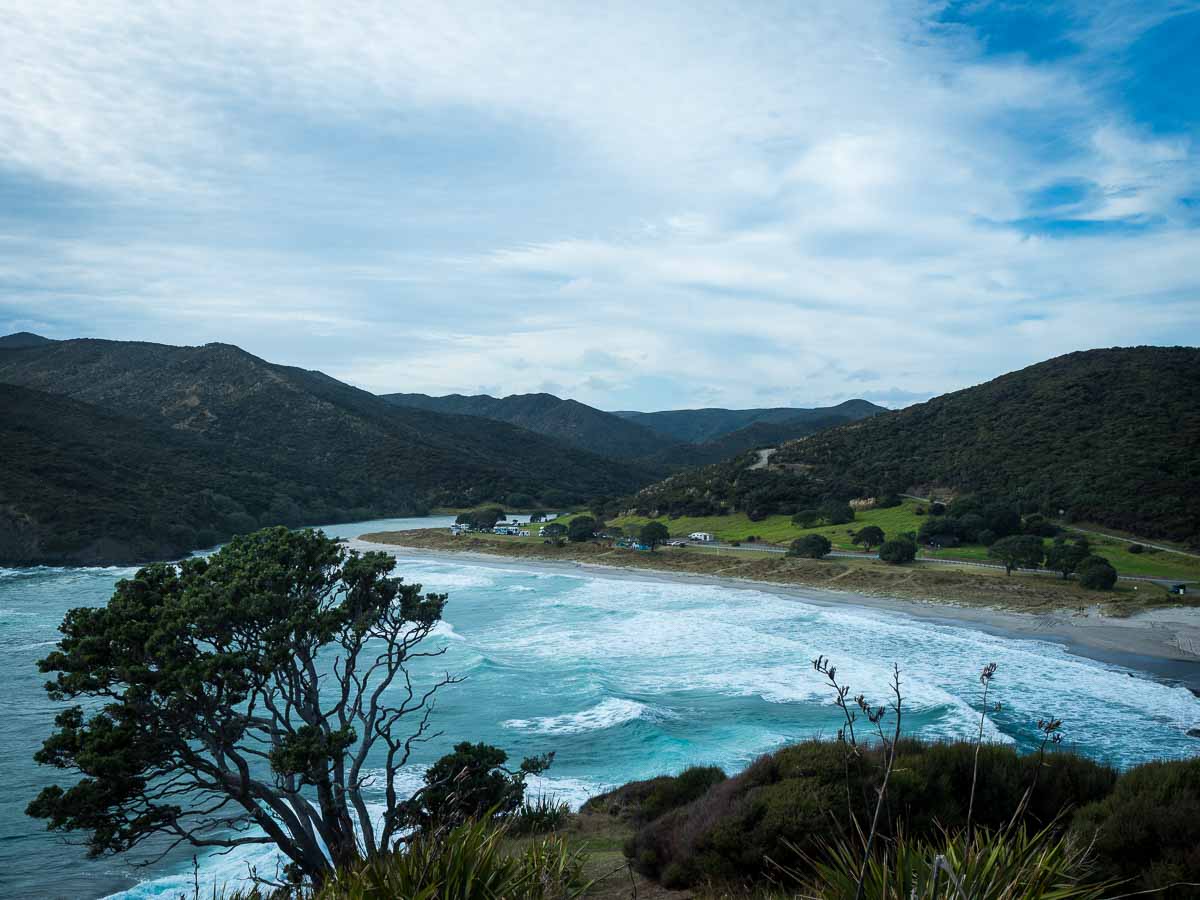
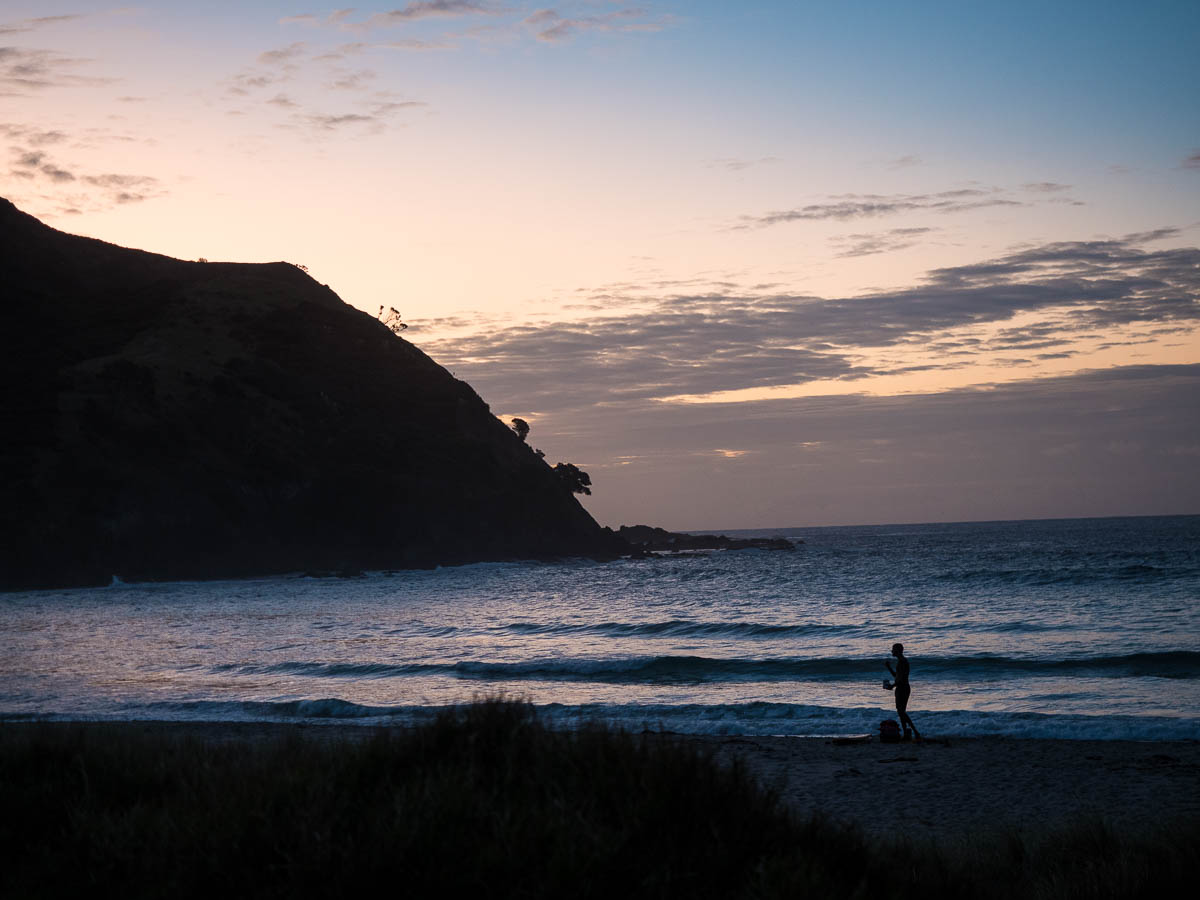
Tapotupotu must be booked and is the most developed campsite on the route, with road access, cold showers, non-flush toilets and untreated water. The current adult rate is NZ$18. It still is not exactly glamping, but after Pandora it feels almost suspiciously civilised.
Day 3: Tapotupotu to Twilight via Cape Reinga
The Tapotupotu-to-Cape Reinga section is closed. The route from Cape Reinga west towards Te Werahi and Twilight remains open. What follows describes the full day as we walked it.
This is the big day. The first 5 km takes around three hours because you climb hard out of Tapotupotu, follow exposed cliffs and drop through Sandy Bay before climbing again to Te Rerenga Wairua / Cape Reinga. It is a lot more dramatic than simply driving to the lighthouse.
Te Rerenga Wairua is deeply significant to Ngāti Kurī and Māori. Wairua are understood to travel north along Te Ara Wairua before departing for Hawaiki from the old pōhutukawa below the cape. Stop, take it in and behave like you are visiting somewhere sacred – because you are.
Tip: Have lunch at Sandy Bay before the final climb. Eating at Te Rerenga Wairua is culturally inappropriate, and Sandy Bay is a much nicer place to pull apart a squashed sandwich anyway.
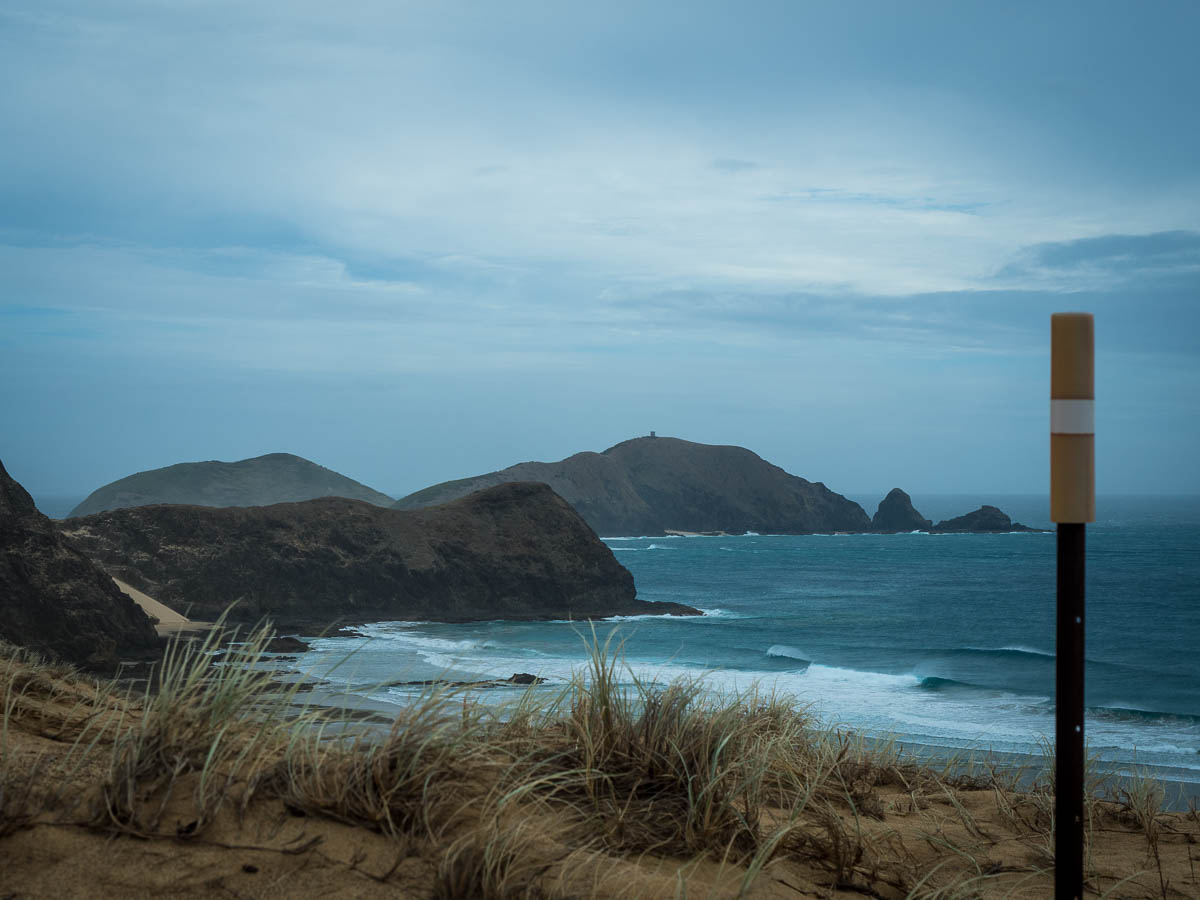
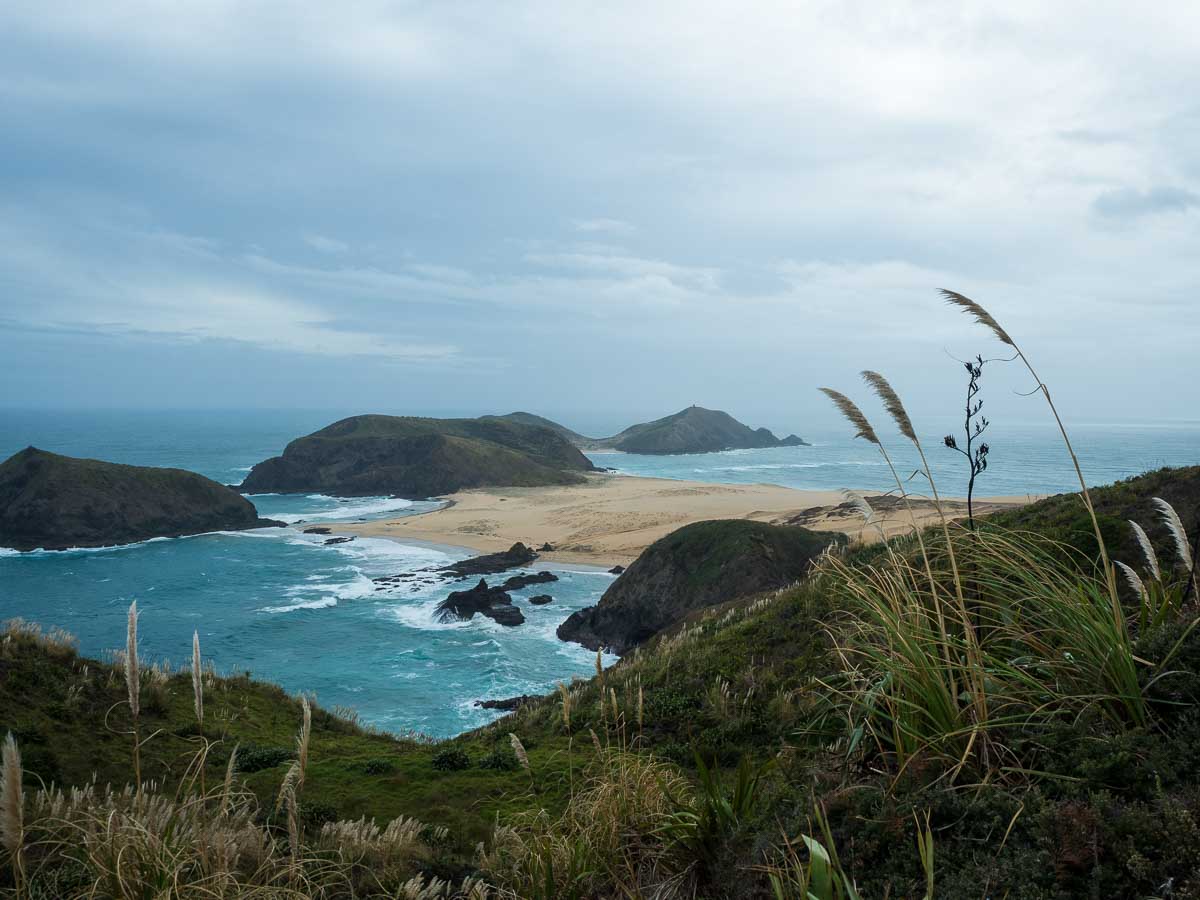
From the lighthouse the track turns west and drops towards Te Werahi Beach. The coast feels wilder almost immediately. Keep moving past Te Werahi – it is beautiful, but it is not an official place to camp – then continue the 7.25 km section to Twilight.
If your legs and daylight allow, Cape Maria van Diemen is roughly a 90-minute side trip. Twilight itself is another basic, self-registration campsite and currently costs NZ$15 per adult; check the current DOC page for any alerts before you go.
Day 4: Twilight to Te Paki Stream
The final 11 km climbs away from Twilight and crosses the dune country before dropping onto Te Oneroa-a-Tōhē / Ninety Mile Beach. You spend about 90 minutes on the open beach, then turn inland and walk another 90 minutes up Te Paki Stream to the car park.
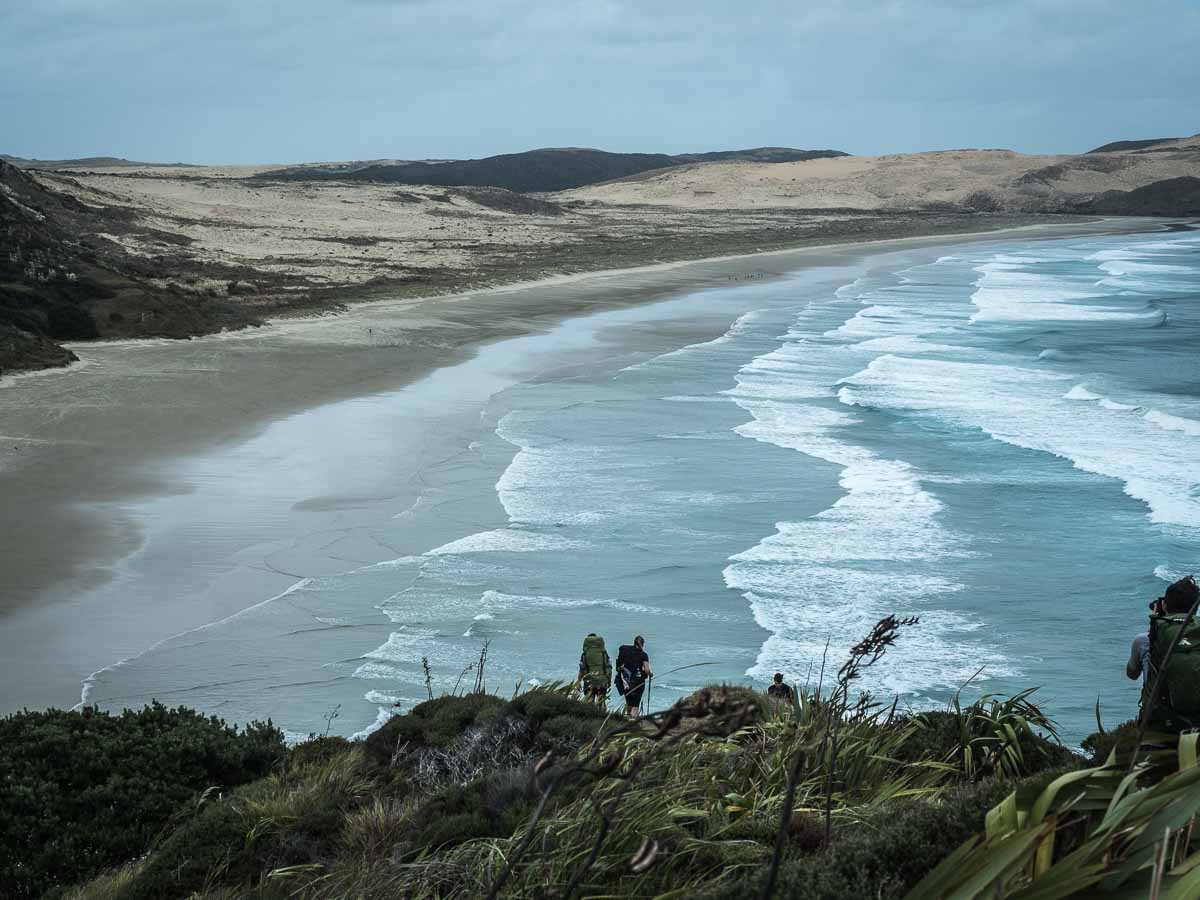

The scale is mad. Tiny hikers, enormous dunes, and almost nothing between you and the horizon. Then a tour bus may come rumbling down the stream corridor and slightly spoil the wilderness illusion.
Finish at the Te Paki Stream car park. Do not expect to wander another two hours down the beach to Ahipara; it sits 83 km farther south. Your transport should already be waiting here.
Transport and Parking
The currently open walk is still one way: Cape Reinga to Te Paki Stream. Arrange a drop-off at the cape and pickup at Te Paki Stream before leaving Kaitaia or Waitiki. Do not leave a vehicle sitting unattended; DOC warns that thefts have occurred in the area.
This is what we did: we drove to Te Hapua and left our cars securely at Te Hapua School for the duration of the hike. From there, our transport arrived to take us to the start of the track. It worked brilliantly, but this was a locally arranged setup – do not assume the school is public trail parking.
Contact Waitiki Landing or Kaitaia i-SITE well ahead of time and ask for a current drop-off, pickup and vehicle-storage arrangement. The DOC track page also lists current commercial operators. Get the exact pickup point and time in writing; phone coverage is patchy once you are north.
Campsites, Water and What to Carry
There are no huts. Bring a tent, sleeping bag and mat, gas cooker, all your food, toilet paper, a proper rain shell, warm dry camp layers, insect repellent, sun protection, headlamp, power bank and a personal locator beacon. Open fires are not allowed.
Water at the campsites is untreated and supplies can dry up in summer. Carry treatment and several litres between stops. I would also download the route and tide information offline; reception is limited and sand has a wonderful habit of making an obvious trail less obvious.
Pandora is closed. Kapowairua and Tapotupotu remain open by road; book Tapotupotu directly. Twilight is open and self-registration, with its current rate and notices on the DOC campsite page. Check every one again before leaving because facilities, water and dog-control closures can change.
Heads up: DOC currently warns of feral dogs around Twilight Beach, Scott’s Point and Ninety Mile Beach. Do not walk alone through the affected area, do not approach the dogs or leave food scraps, and report sightings to Far North District Council dog control on 0800 920 029. The alert was last reviewed on 10 June 2026.
A Bit of Respect Goes a Long Way
Te Paki is not empty wilderness. It is a living cultural landscape for Ngāti Kurī, with more than 1,000 recorded archaeological sites across the reserve. Stay on the route, clean your boots and gear to help stop kauri dieback, and leave shells, stones and old sites exactly where they are.
The practical rules are simple: pack out every scrap of rubbish, keep food away from animals and don’t treat Cape Reinga like a picnic table with a lighthouse attached.
After the Track
Do not finish the walk and immediately sprint back to Auckland. Te Tai Tokerau rewards a slower exit. Camp at Kapowairua or Rarawa, swim somewhere sheltered, then work south through the best beaches rather than treating Cape Reinga as a very long photo stop.
Read my Northland road-trip guide, favourite Northland beaches and Northland campground guide while you have the map open. If you need a car for the wider trip, compare rentals through Discover Cars before you commit to the long drive north.
The open western section still gives you dunes, Te Werahi, Twilight and Te Paki Stream. But the complete 48 km route I walked will have to wait for the eastern closures to lift. When it does, it contains some of the best coastal walking I have done in New Zealand.
Honestly, it should be far more famous.
New Zealand Travel Planning Cheatsheet
🚑 Should I buy travel insurance for New Zealand?
100% YES! — New Zealand has “free” healthcare but it’s only for citizens. Tourists need travel insurance in case anything happens on your visit. Also be aware many policies won’t cover hiking as it’s a high risk activity! (that’s right, check the t&c’s on your complimentary credit card insurance)
I highly recommend World Nomads as you can get specific add-ons for the crazy activities you’re doing – and starts at just $7 a day!
🚙 Do you need to rent a car in New Zealand?
I’d reccommend it — Renting a car isn’t a necessity to get around in NZ with plenty of domestical flights and intercity busses. But, If you want to go on road trips or adventures outside of the major cities, you’ll need to rent a car. I always use Discover Cars for my rental bookings (it’s like Skyscanner for cars!) as they compare all availible providers for the best price.
Better yet, rent a van! This is the most cost effective way to see Aotearoa as you’re getting your transport and accomodation together as one! (Checkout my reccommended van rentals here)
📲 Will my phone work in New Zealand?
You’ll need to get a local SIM card when in New Zealand, which is super easy and doesn’t require ID. Spark generally has the best coverage and you can get pre-paid plans for around $30 for 30 days.
Alternativly – I now always use Airalo when travelling. This app generates an eSIM that will work the moment you touch down. It costs slightly more than a local SIM but the convenience is well worth it. You can signup here
💸How do you pay for thing in New Zealand?
Cash has gone out of fashion in New Zealand, so you’ll be able to pay for almost everything with EFTPOS / Debit / Credit Card. Paywave (contactless payments) is very common, but vendors who accept American Express cards are not (so bring a backup!).
I personally use Wise for all my international money needs as they only convert the funds when you make a payment and offer a much better spread (margin on the true exchange rate) than the banks do. They also provide free debit cards for your account!
→ Get the Wise card I use — set it up before you fly so it’s ready to tap the moment you land.
🏩 What’s the best way to book my New Zealand accommodation?
My go-to for Kiwi hotels is Booking.com. For hostels, I use Hostel World. If you want a home-y feeling, check out AirBnB.. but don’t expect prices to be that much cheaper than hotels.
✈️ What’s the best site to buy flights to New Zealand?
For finding cheap flights, I recommend Skyscanner. Once you find the flight you’re looking for, I’d then suggest booking directly with the carrier (even if it costs a few $$ more than with one of the agreggators/agencies).
💧Can you drink the water in New Zealand?
Yes — everywhere in New Zealand you can drink the tap water. If you’re out hiking you can even drink the water from mountainous rivers and streams. I recommend a Brita Water Bottle and a packet of water purificiation tablets for long hikes and backcountry camping.
🎫 Do I need a visa for New Zealand?
NZ has a ‘traditional visa’ which is a document stamped in your passport allowing you to enter and stay in New Zealand for a specified period, while an “NZeTA” (New Zealand Electronic Travel Authority) is a travel authorization that allows certain passport holders to visit New Zealand without needing a separate visa – essentially a visa waiver for eligible travelers; meaning you need a full NZ visa if you don’t qualify for an NZeTA based on your passport and travel intentions.


