

Bitten by a Dog in India: My Rabies Treatment Story

I was bitten by a street dog in Leh, Ladakh. It was not a dramatic attack. I walked between two dogs barking at each other, turned my back on one, and it nipped me on the ankle.
It wasn’t a bad bite but it was enough to draw blood.
That tiny mark kicked off a fairly ridiculous medical relay: a public hospital in Delhi, three vaccine doses travelling on ice through Bali and Europe, a nurse in Indonesia, and my final injection at the University of Munich. Messy!!
Table of Contents
The Bite in Leh
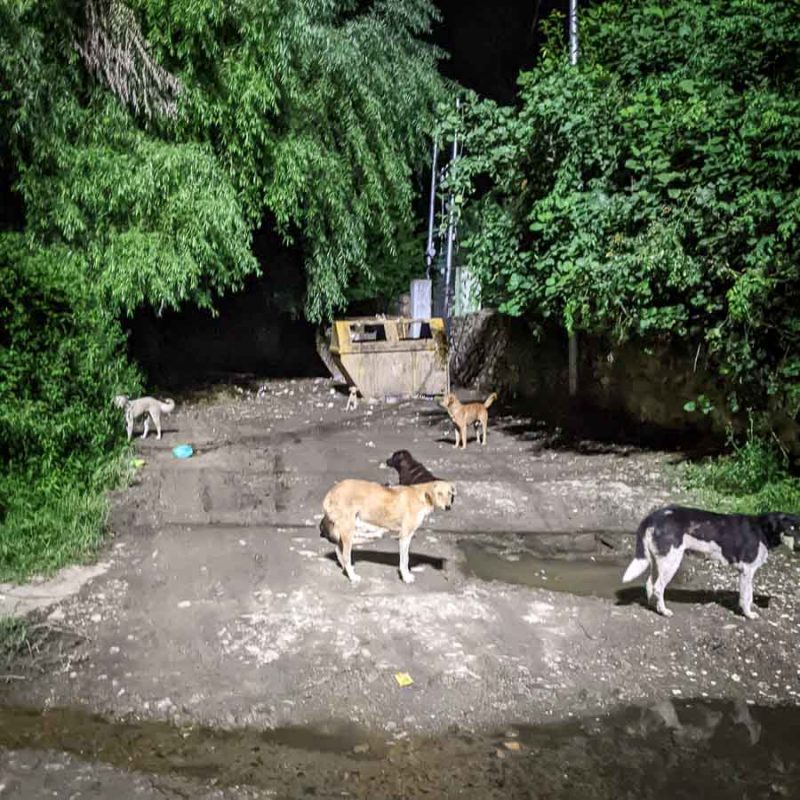
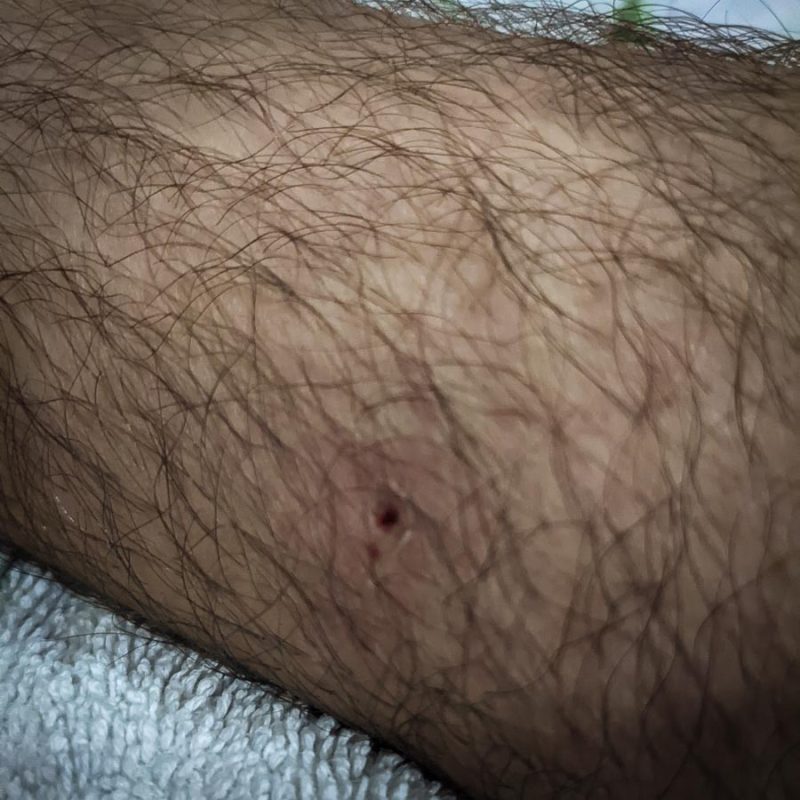
During my trip through India, I walked between two street dogs having an argument. As I passed, one caught the back of my ankle. Barely more than a nip, really, but the skin was broken.
And now the questioning begins.. does the dog have rabies? Was the bite enough to transfer the virus? The odds felt tiny. The consequence of being wrong was rather less tiny.
I went back to my hotel and washed the wound with soap and hot water. Current Indian guidance says to flush an animal bite under running water with soap for around 15 minutes, then get assessed immediately. Hot water is not the clever bit. Lots of water, soap and speed are.
Why I Took a Tiny Bite So Seriously
India still carries an enormous rabies burden. The WHO’s current India estimate is around 9.1 million animal bites and 5,726 human rabies deaths each year, with dogs responsible for more than three-quarters of those bites.
The important distinction is this: once clinical rabies symptoms appear, the disease is essentially always fatal. But prompt wound care, vaccine and immunoglobulin when indicated can stop it before it reaches that point.
Not a gamble worth taking over a graze on the ankle.
Getting Treated at a Public Hospital in Delhi

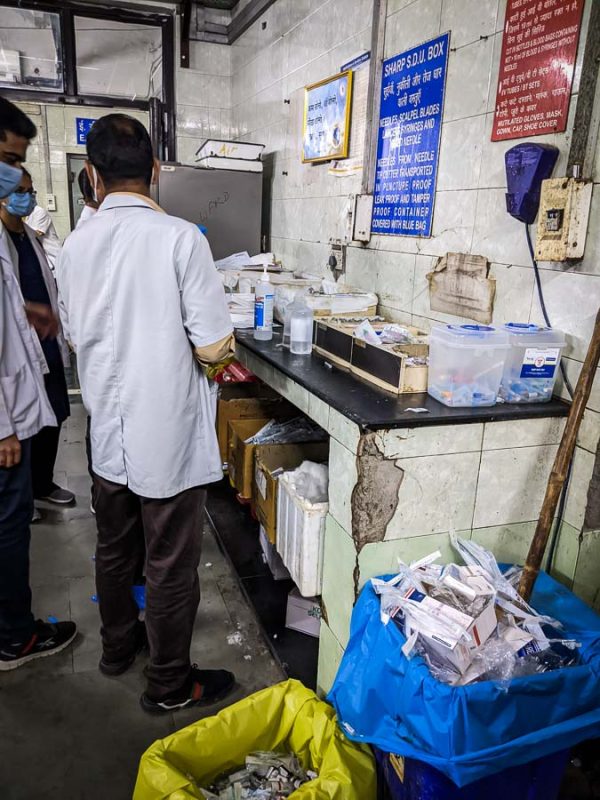
I first tried a pharmacy. They were able to sell me the vaccine (yay!) but they were not able to administer it, so I ended up in the emergency department at a public hospital in Delhi.
I received a tetanus injection, the first rabies vaccine, and rabies immunoglobulin. The immunoglobulin was one dose divided across five separate needles: one in my calf, two in my butt and two in my shoulders. The doctor and student doctor appeared to take great pleasure in this arrangement.
They hurt!


My Rabies Vaccine Went Backpacking Too
I was heading to Bali and then Europe, and the prices I was seeing outside India were completely different. So I bought my three follow-up vaccine doses in India for about US$7 each and travelled with them on ice.
A nurse in Bali administered one. The course eventually finished at the University of Munich, because apparently my rabies vaccine fancied a more interesting holiday than most people get.
Heads up: This is a story, not a recommendation to put vaccines beside the beers in your chilly bin. Vaccine cold chains matter: the product generally needs controlled 2-8 C storage and must not freeze. Only transport doses with specific instructions from the dispensing pharmacy and the clinician who will administer them.
What Rabies Treatment Actually Involves
For someone who has not previously been vaccinated, modern post-exposure treatment normally has three parts: thorough wound care, one dose of rabies immunoglobulin where indicated, and a course of rabies vaccine. The immunoglobulin is commonly split around the wound and across injection sites. That is why I had five needles, not five complete doses.
The vaccine schedule depends on your previous vaccinations, immune status and the protocol used in that country. CDC guidance for an unvaccinated, immunocompetent adult uses vaccine on days 0, 3, 7 and 14; WHO-approved intradermal schedules used in countries including India can differ. Follow the treating clinician’s written schedule.
Already vaccinated before the bite? You still need urgent medical care, but treatment is normally simpler and rabies immunoglobulin is not usually required. That is the real practical benefit of pre-exposure vaccination.
Was Bali Really Going to Cost US$2,700?
That was the frightening figure I was working with for private treatment in Bali, along with the possibility that I might need to go to Singapore. It is not a standard current price for three vaccine doses.
The underlying problem was real, though. The CDC says rabies vaccine is now typically available through most of Indonesia, but published travel-medicine research shows immunoglobulin supply is much thinner and unevenly distributed. Private tourist treatment involving immunoglobulin can reach thousands of US dollars. Vaccine-only follow-up should be far cheaper.
Because Delhi had already given me the immunoglobulin and first vaccine, my remaining problem was mostly logistics. Even so, India at roughly US$30 all up was absurdly affordable. I never claimed on insurance. Indian public healthcare, woot.
Would I Get the Rabies Vaccine Before India?
I would at least have the conversation with a travel doctor, particularly for a long trip, remote travel or anywhere treatment could be difficult to reach. Pre-exposure vaccination does not mean you can shrug off a future bite. You still need wound care and follow-up vaccine. It does remove the need for immunoglobulin in the usual protocol, which can make treatment much easier to arrange.
I was lucky: excellent public treatment in Delhi, cheap vaccine and enough time to turn the remaining doses into international hand luggage. Somewhere with no immunoglobulin, no vaccine stock or a private-hospital bill attached could look very different.
I did not need my insurance, but I would still carry it. Check that emergency vaccination, treatment and medical evacuation are not quietly excluded. This is the travel insurance provider I currently recommend checking, but read the policy wording for your own trip rather than assuming an affiliate link makes everything covered.
The Lesson
Do not let this put you off India. It should put you off walking between two street dogs already having a disagreement, which is a more achievable goal.
If you are bitten or scratched, wash it properly and get assessed straight away. The wound can look pathetic. Mine did. Rabies does not care whether the bite makes a good story.
India Travel Planning Cheatsheet
🚑 Should I buy travel insurance for India?
100% YES! — India has free healthcare and it works, but it’s something you don’t want to experience (Trust me – I did!). For the private hospitals you’ll need travel insurance in case anything happens on your visit. Also be aware many policies won’t cover high altitude hiking as it’s a high risk activities like motorcyle riding!
(that’s right, check the t&c’s on your complimentary credit card insurance)
I highly recommend World Nomads as you can get specific add-ons for high altitude hiking UP TO 6000m (Which most travel insurance companies don’t offer!) and other activiites.
🎫 Do I need a visa for India?
Yes, probably — India require a tourist visa for visitors from most western countires which allows you stay for up to 90 days.
This Lonely Planet aritcle summarises the visa requirements nicely.
💉Do I need any vaccinations for India?
YES! Make sure you are up-to-date with all your vaccines. Common travel vaccines include Hep A/B + Typhoid, and Diphtheria + Tetanus.
Rabies is also an issue in India but the vaccine is expensive and ineffective as a preventative measure (it only lasts a few years and you’ll need to get them again if you require treatment). If bitten by a stray dog (like I was!) seek immediate medical attention!
As always, talk to your GP or specialised travel doctor a few weeks BEFORE you leave.
💸How do you pay for things in India?
Cash is king in Indiaa, so you’ll want to get some folding tender out from an ATM when you land. Larger businesses and hotels will take Debit / Credit Card but most resturants, and street vendors want cash.
I personally use a Wise debit card for all my international money needs as they only convert the funds when you make payment, plus they offer a much better spread (margin on the true exchange rate) than the banks do. They work in all the Tanzanian ATMs I tried. .
→ Get the Wise card I use — set it up before you fly so it’s ready to tap the moment you land.
📲 How do I get internet/data/wifi in India?
This one needs a whole nother article, but the short version is prepaid SIM cards are cheap and availible to tourists and locals alike (You don’t need a pricey tourst SIM!)
Your cheapest option is buying a physical sim card on the street corner once landed and getting the shop assistant to help you set it up. I went with Vodafone and had generally good coverage.
Now when I travel I use is an Airalo eSIM. This is a little more expensive but works from the moment you land is is SOOOOO much easier than the in person verification process required for a local sim. TIP: Grab your Airalo eSIM before you fly and you’ll have data the moment you land, with no hunting for a SIM kiosk.
NB: The catch was travelling into Kashmir where out of state sims dont work, and you can’t get a local sim without a phone contract and local ID!
✈️ What’s the best site to buy flights to India?
For finding cheap flights, I recommend Skyscanner. Once you find the flight you’re looking for, I’d then suggest booking directly with the carrier (even if it costs a few $$ more than with one of the agreggators/agencies).
💧Can you drink the water in India?
Safest not to — tap water in India in some areas (larger cities) may be OK (the locals drink it) but is generally untreated and not reccommended for tourists. Purchase bottled water for drinking and teeth brushing.


