

Lake Waikaremoana Track: My 3-Day Route After Hiking It Twice

The Lake Waikaremoana Track is not the most hyped Great Walk. It doesn’t have the sex appeal of Milford or the beach vibes of Abel Tasman, but that’s also what makes it so good. You get lush New Zealand bush, clear lake water and very, VERY few other people.
I’ve walked it twice now, with my most recent trip only a few months ago. The first time I tented; the second I used the huts. Camping is very doable, but you carry a lot more stuff and I definitely enjoyed the hut trip more. Let me be blunt: neither the track nor huts are anywhere near the standard you normally associate with a Great Walk.
But that roughness is also its charm. Waikaremoana feels properly remote. Few people seem to be walking it now and you may have entire stretches, or even a hut, to yourself.
Table of Contents
The Short Version
Walk clockwise from Onepoto, stay at Waiopaoa and Marauiti, then arrange the Whananui water-taxi pickup on day three. Those hut stops make far more sense than finishing after only 8.8 km on the first day, and the boat saves an unnecessary final push to the road.
You still cross Panekire Bluff on day one, but continue down to Waiopaoa for a swim and a proper first day of walking. We actually walked all the way out to Hopuruahine and got a lift back from a local. It worked, but mainly because we got lucky. Book the huts and water taxi together before sorting anything else. This is not the place to discover that your carefully planned boat exists only in your imagination.
Why Waikaremoana Feels Different
Te Urewera is the homeland and ancestor of Ngāi Tūhoe, and is recognised in New Zealand law as a living legal person. Care for the track and its facilities is carried out by Te Uru Taumatua, Tūhoe’s operational entity, rather than Waikaremoana behaving like a standard DOC-managed Great Walk.
That context matters when you arrive expecting the polished boardwalks and shiny huts found elsewhere. Parts of the track are muddy, rooty and rough. The huts are basic. The logistics require a few phone calls.
That is the whole appeal. There are long sections where you hear absolutely nobody, then night arrives and the bush comes alive with native birds and animals. The possums and wallabies join in too, unfortunately.
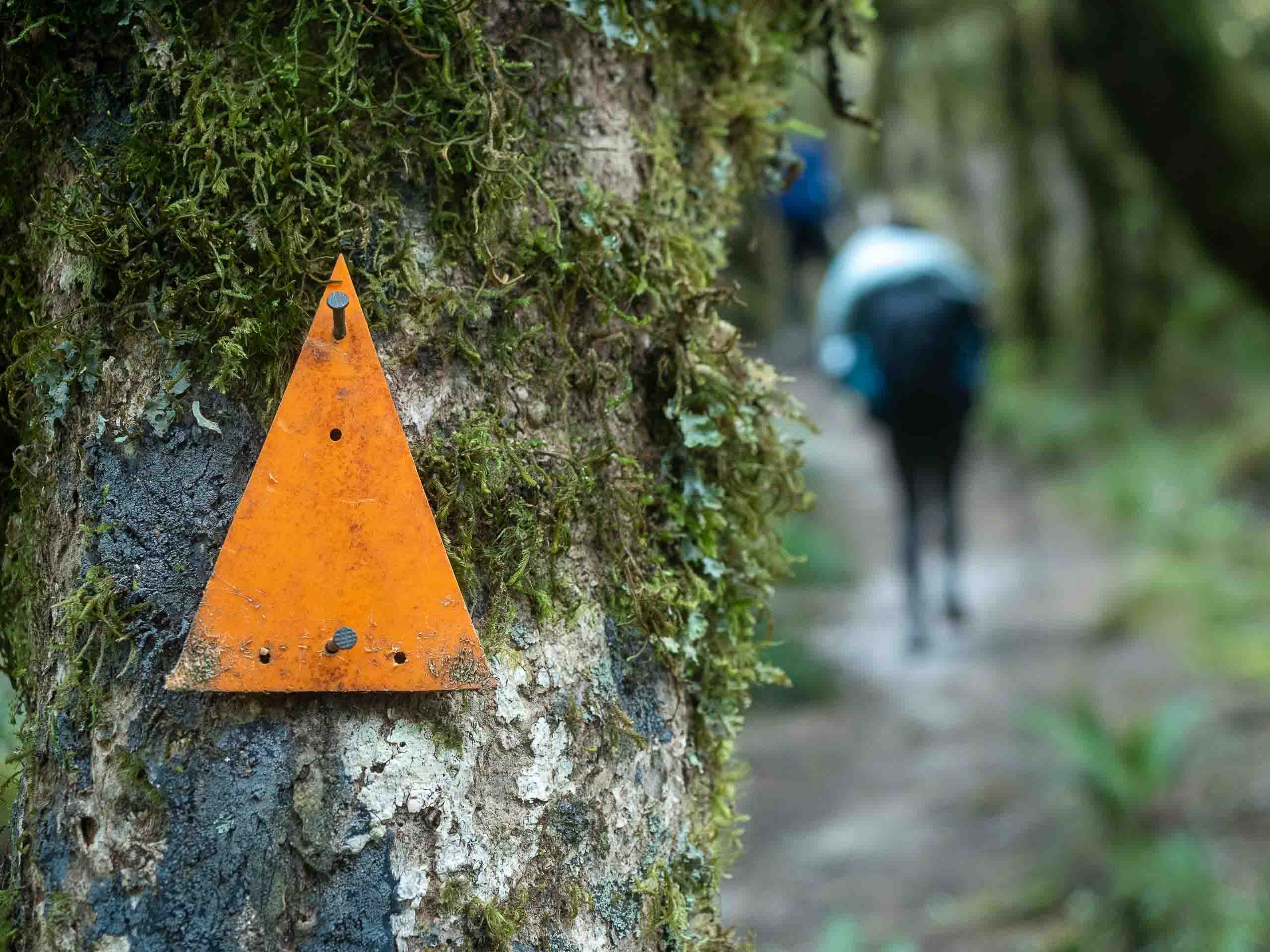
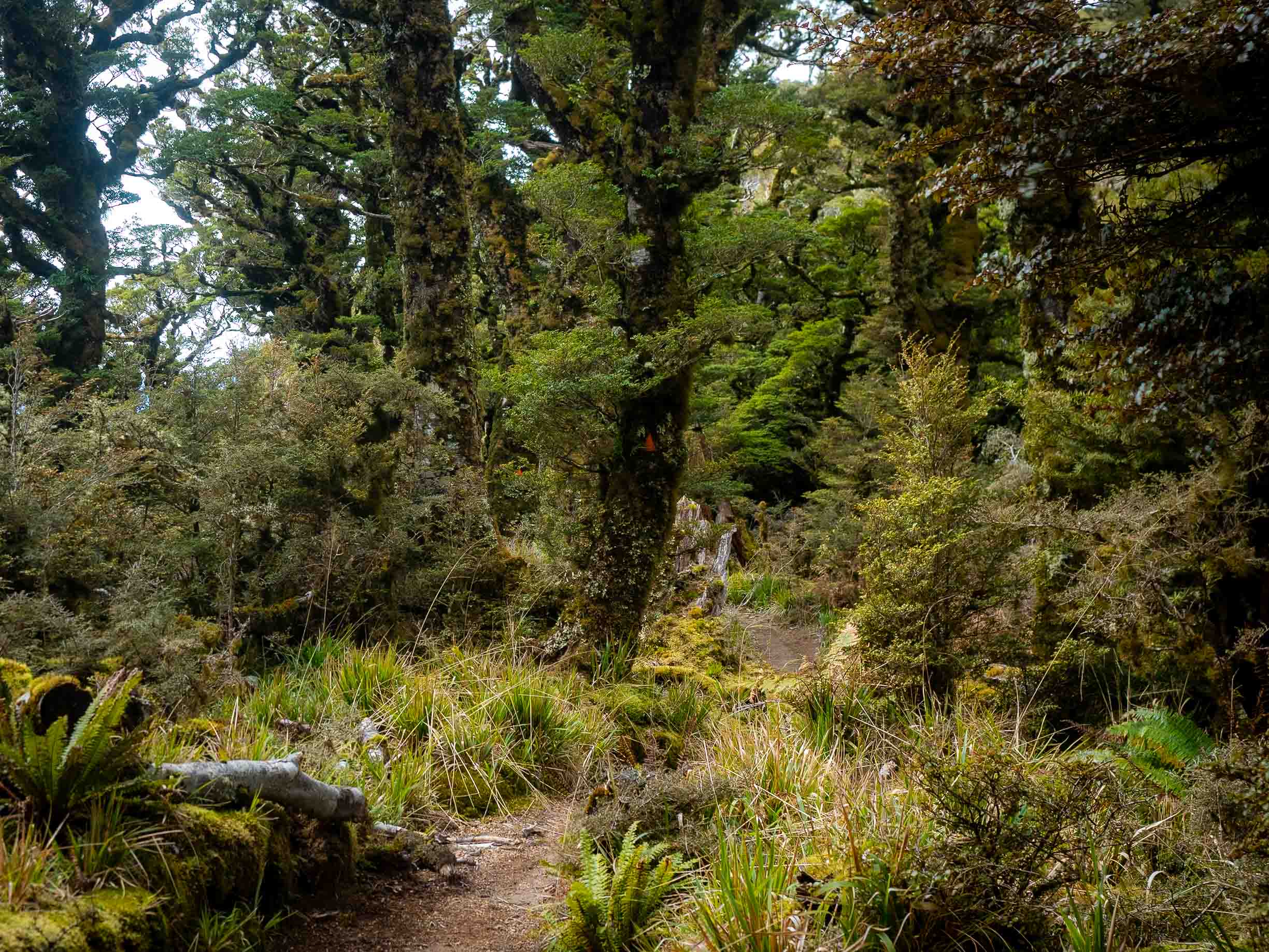
My 3-Day Lake Waikaremoana Route
The official four-day route stops at Panekire Hut after day one, then Waiopaoa and Marauiti on the following nights. That is the gentler option, but the first day is oddly short. My three-day route keeps all the logical stops without squeezing the big day into the middle.
Day 1: Onepoto to Waiopaoa Hut
The hike throws you straight into the deep end with a relentless, humid climb up Panekire Bluff. You climb around 600 metres through roots, steps and damp forest before following the ridgeline towards Puketapu Trig and Panekire Hut.
My legs were jelly by lunchtime, but the real reward was the moment I reached the ridgeline and caught a glimpse of the lake. In clear weather, this is the big postcard view of the entire walk. In cloud, you get a very atmospheric view of cloud.
Panekire Hut arrives after 8.8 km, which is a pretty stupidly short first day if you are trying to fit the track into three. I carried on another 7.6 km, descending through spectacular beech, podocarp and kāmahi forest to Waiopaoa. This was one of my favourite pieces of bush on the whole track. It makes day one substantial, but not ridiculous.
More importantly, you finish beside the lake and can go for a swim. We swam at the huts throughout the trip, and after the humid climb and long descent this first one was about as good as it sounds.
Tip: I don’t think it makes sense to walk anti-clockwise. Leaving Panekire Bluff until the end makes the climb steeper and, after two days on the track, even less enjoyable (lol). Start at Onepoto.
Day 2: Waiopaoa to Marauiti Hut
Day two is why the Waiopaoa stop works so well. You have 12.1 km to Marauiti, plus the Korokoro Falls side trip, so there is enough walking to feel useful without another giant day. The track stays near the lake, rolling through Korokoro and Maraunui before crossing Whakaneke Ridge.
My legs had stopped complaining, and I’d fallen into the rhythm of the walk. I also noticed I had stopped thinking about kilometres, times, or when lunch would be. That is normally the point where a multi-day trip starts getting properly good.

Take the one-hour return side trip to Korokoro Falls. On the way we stopped at a smaller waterfall where hundreds of trout were trying to swim and jump upstream. Completely mad to watch. The track then follows the stream into a huge rainforest amphitheatre and the main waterfall is genuinely worth the detour. I arrived at Marauiti just before the rain hit and spent the evening with a small group of hikers swapping stories.
Marauiti was a bit of a shambles – probably the least well-preserved hut on the trail – but it was still cosy. More importantly, it sits exactly where you need it for a three-day walk. Sometimes good logistics beats fresh paint.
There was no water in the hut tank when we arrived. We had to fill our bottles directly from the lake while fish swam around them (lol), then use purification tablets. Carry treatment even if the booking information says there is water. A tank and water inside it are two different amenities.
Day 3: Marauiti to Hopuruahine
The full final day is 15.7 km to Hopuruahine. It follows the lakeshore through Waiharuru and around the Whanganui arm, then climbs over a final ridgeline before dropping to the Hopuruahine River flats. It is easier than day one, but certainly not a flat victory lap.
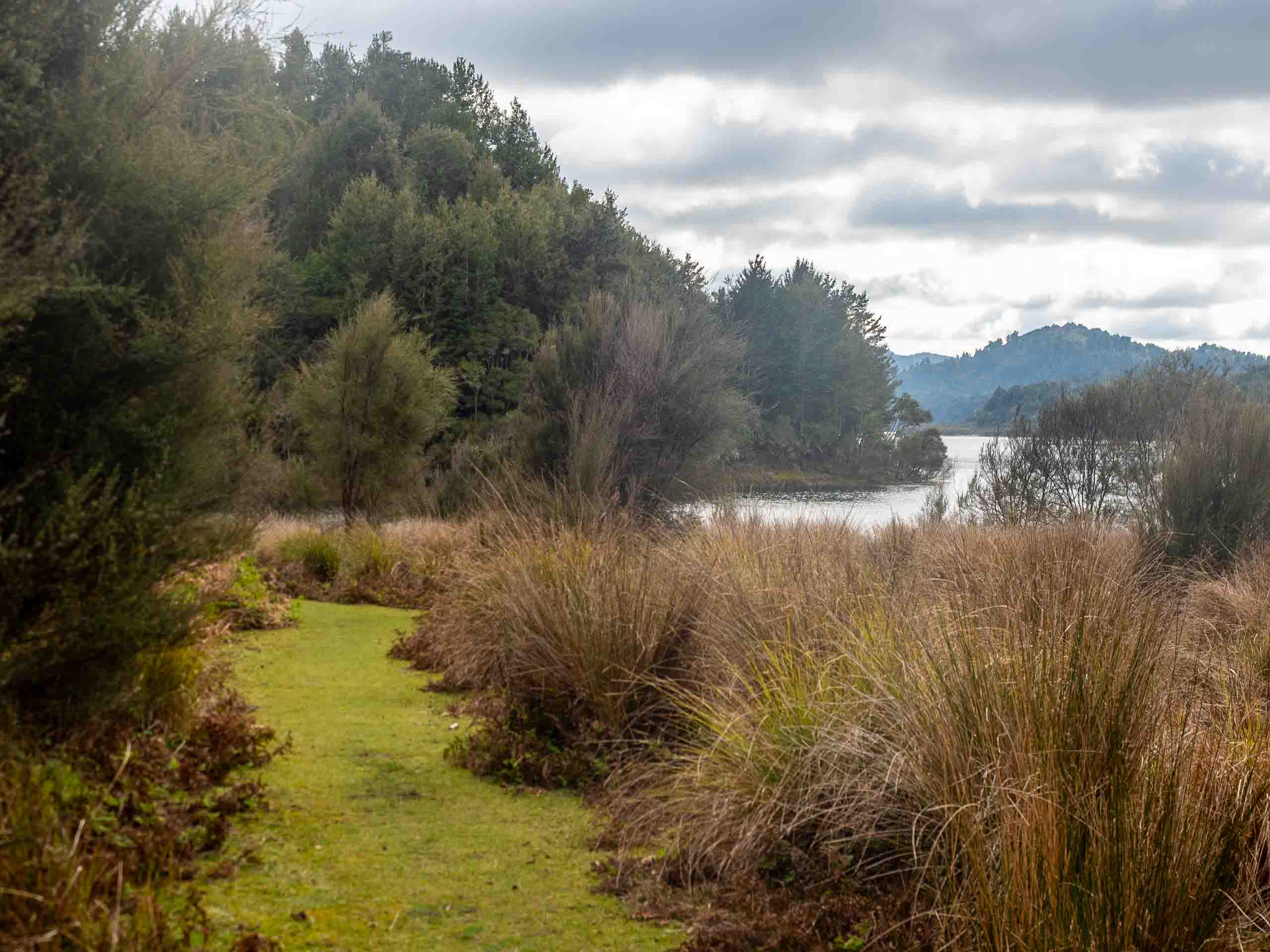
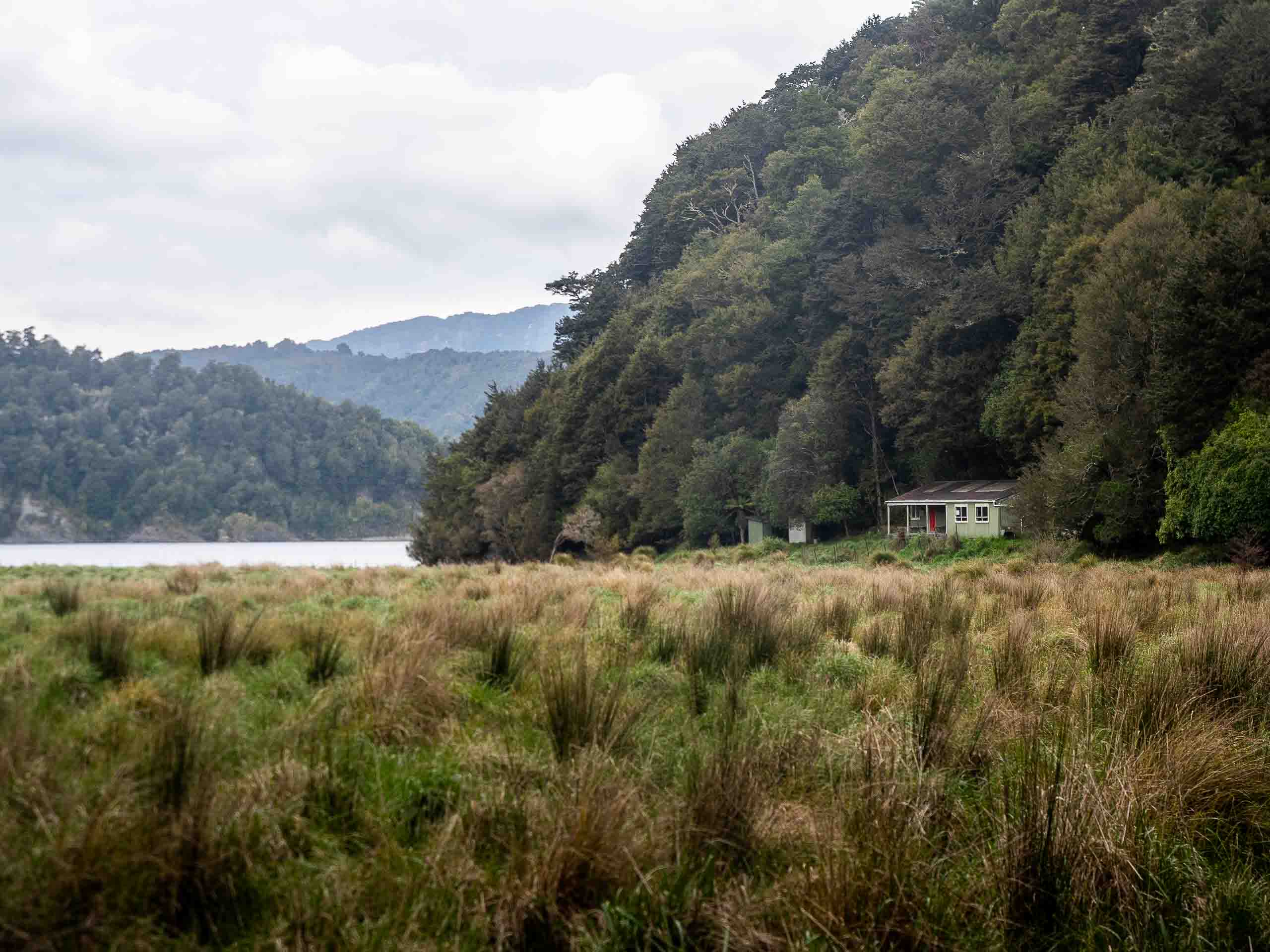
We walked straight past the Whananui pickup and continued all the way to the Hopuruahine road end. A local kindly picked us up and drove us back to Onepoto. Lovely outcome. Not exactly a transport plan I would build an international holiday around.
I would book the Whananui water-taxi pickup instead. It cuts off the final road-end section and returns you to Te Karetu, close to the visitor centre and Holiday Park. Confirm the exact landing and pickup time because the Whananui and Whanganui names are confusing on maps and itineraries. The landing is also a great swimming spot, so arrive early and bring your togs.
By this point, I was ready for a real bed and a coffee that didn’t taste like river water. But I also didn’t want it to end.
Bookings, Huts and Water Taxi
Book huts or campsites through the Great Walk booking system, then book your boat through Tūhoe. For 2026/27, huts cost NZ$35 per adult per night and campsites cost NZ$19. The same adult rate currently applies to New Zealand and international visitors.
The four huts have mattresses, heating, water tanks and non-flush toilets. They do not have gas, lighting, electricity or toilet paper, so bring a cooker, fuel, headlamp, power bank and a roll of your finest. Treat all water, and never assume the tank will contain any.
The current water taxi runs mainly from October to April. Te Karetu to Onepoto costs NZ$50 per adult, while the Hopuruahine/Whananui service costs NZ$60. Other hut and campsite transfers are NZ$80. Book directly with Ngāi Tūhoe through Te Urewera Visitor Centre on +64 6 837 3803 or teureweravc@ngaituhoe.iwi.nz. Boats are limited, so book early and reconfirm shortly before the walk.
Heads up: There is absolutely no reception around the lake, and communication was poor – or non existant – with the operator on one of my trips. Do not rely on a vague email chain. Confirm the pickup name, time and phone number before you leave, then carry enough food to cope if the lake has other plans.
Getting to Lake Waikaremoana
SH38 is part of the adventure. Around 90 km between Murupara and Tuai is gravel, services are limited and a lower car will have a fairly miserable time. An SUV or 4WD is recommended. Watch out for pigs and horses, which are often wandering the road!
Park near Waikaremoana Holiday Park or at Onepoto if space is available. The visitor centre only allows daytime parking, and Hopuruahine Road is not suitable for 2WD vehicles. Check the current Tuhoe alerts before driving because road access can change.
What I Would Actually Pack
This is not a shopping-list hike. Bring normal overnight tramping gear, then pay particular attention to a proper rain shell, pack liner, warm dry hut clothes, cooker and fuel, water treatment, toilet paper, power bank and a personal locator beacon. There is no reception, electricity or food on the track.
Gaiters make sense if it has been wet, which is not exactly a rare event. If camping, use something that can cope with sustained rain rather than the festival tent you found in the garage. Pack out every scrap of rubbish.
Before You Drive Home
Stay at Waikaremoana Holiday Park for the night before or after the track. It has campsites, cabins and chalets, and means you are not trying to wrestle with SH38 immediately after three days on your feet.
Give yourself another day for Lake Waikareiti or Papakorito Falls, then leave slowly. Waikaremoana is a long way from almost everywhere, but that is exactly why the track still feels different. Rough huts, quiet forest, an enormous lake and nobody elbowing past you for a photo.
I would happily do it a third time.
New Zealand Travel Planning Cheatsheet
🚑 Should I buy travel insurance for New Zealand?
100% YES! — New Zealand has “free” healthcare but it’s only for citizens. Tourists need travel insurance in case anything happens on your visit. Also be aware many policies won’t cover hiking as it’s a high risk activity! (that’s right, check the t&c’s on your complimentary credit card insurance)
I highly recommend World Nomads as you can get specific add-ons for the crazy activities you’re doing – and starts at just $7 a day!
🚙 Do you need to rent a car in New Zealand?
I’d reccommend it — Renting a car isn’t a necessity to get around in NZ with plenty of domestical flights and intercity busses. But, If you want to go on road trips or adventures outside of the major cities, you’ll need to rent a car. I always use Discover Cars for my rental bookings (it’s like Skyscanner for cars!) as they compare all availible providers for the best price.
Better yet, rent a van! This is the most cost effective way to see Aotearoa as you’re getting your transport and accomodation together as one! (Checkout my reccommended van rentals here)
📲 Will my phone work in New Zealand?
You’ll need to get a local SIM card when in New Zealand, which is super easy and doesn’t require ID. Spark generally has the best coverage and you can get pre-paid plans for around $30 for 30 days.
Alternativly – I now always use Airalo when travelling. This app generates an eSIM that will work the moment you touch down. It costs slightly more than a local SIM but the convenience is well worth it. You can signup here
💸How do you pay for thing in New Zealand?
Cash has gone out of fashion in New Zealand, so you’ll be able to pay for almost everything with EFTPOS / Debit / Credit Card. Paywave (contactless payments) is very common, but vendors who accept American Express cards are not (so bring a backup!).
I personally use Wise for all my international money needs as they only convert the funds when you may payment and offer a much better spread (margin on the true exhange rate) than the banks do. They also provide free deibit cards for your account!
🏩 What’s the best way to book my New Zealand accommodation?
My go-to for Kiwi hotels is Booking.com. For hostels, I use Hostel World. If you want a home-y feeling, check out AirBnB.. but don’t expect prices to be that much cheaper than hotels.
✈️ What’s the best site to buy flights to New Zealand?
For finding cheap flights, I recommend Skyscanner. Once you find the flight you’re looking for, I’d then suggest booking directly with the carrier (even if it costs a few $$ more than with one of the agreggators/agencies).
💧Can you drink the water in New Zealand?
Yes — everywhere in New Zealand you can drink the tap water. If you’re out hiking you can even drink the water from mountainous rivers and streams. I recommend a Brita Water Bottle and a packet of water purificiation tablets for long hikes and backcountry camping.
🎫 Do I need a visa for New Zealand?
NZ has a ‘traditional visa’ which is a document stamped in your passport allowing you to enter and stay in New Zealand for a specified period, while an “NZeTA” (New Zealand Electronic Travel Authority) is a travel authorization that allows certain passport holders to visit New Zealand without needing a separate visa – essentially a visa waiver for eligible travelers; meaning you need a full NZ visa if you don’t qualify for an NZeTA based on your passport and travel intentions.


