

What To Do In Lombok, Indonesia (My 10 Day Itinerary)

Bali is hectic these days. Between the increasing waves of holiday-makers, and the permanent population of nomads trying to “find themselves,” it can feel more crowded than relaxing.
Lombok, on the other hand, is what people say Bali was like ten years ago. Its quieter, rawer, and still a little under the radar (for now!)
The island is exciting but also spread out. Between the Gilis, waterfalls, surf breaks, Rinjani and the south coast beaches, there is plenty to do – but trying to cram it all into a short trip can leave you feeling like you are racing the clock.
This is my 10-day Lombok itinerary. It is a route that keeps the travel days sane: Gili Air first, inland to Rinjani and Sembalun, down to Kuta and the south coast beaches, then west through Sekotong for a final day around the South Gilis.
Less stress, more adventure.
Sounds good?
Table of Contents
The Short Version
If I had 10 days in Lombok, I would do Gili Air, Rinjani, Kuta and the South Gilis in that order. The big mistake is zig-zagging across the island. Lombok looks small on a map, then you spend half your holiday in a car wondering why the road has chosen violence.
The Gilis are easiest at the start if you are coming from Bali. Rinjani works best straight after that, because you are already on the north side of Lombok. Then go south to Kuta for surf, beaches, food and a proper recovery day.
Finish around Sekotong with a boat day through the South Gilis. Gili Layar, Gili Asahan and the smaller reefs out here are quieter than the northern Gilis, and ending in the water feels much more Lombok than squeezing in another hotel transfer for the sake of it.
Book Rinjani properly, sort your long transfers with hotels or drivers, then keep the beach days loose. If you want one place to sanity-check tours and transport before you commit, Klook’s Lombok page is useful – just do not use it as an excuse to over-plan every beach day.
Day 1: Slow It Right Down On Gili Air
The Gili Islands pop up on plenty of Bali itineraries, which is slightly funny because they are not part of Bali at all. They sit off Lombok, and if you ask me they are the easiest way to ease into the island without launching straight into mountain logistics.
Tip: Gili actually means island in the local Sasak language, so ‘Gili island’ is a bit redundant – but it reads better, so I am going to keep using it until someone complains..
I took a morning boat to Gili Air, which strikes the right balance between relaxed and lively. Gili Trawangan was too party-focused for my taste, and Gili Meno is peaceful but adds another little island-hopper transfer.

Gili Air gives you the nice middle ground: no cars, sandy lanes, clear water, enough food and coffee, but without the full backpacker circus.
The first move is simple. Drop your bags, rent a bike if you feel energetic, snorkel from shore, then let the island do what it does best.
Absolutely not much.
Day 2: Dive Around The Gilis

Gili Air has access to some of the best dive sites around Lombok. If you are new to diving, this is about as friendly as it gets: warm water, short boat rides, good visibility, and dive shops everywhere.
I booked a two-tank morning dive with Manta Dive, and within minutes we were finning alongside turtles and clouds of reef fish. Not bad for a morning that still left the afternoon free for doing very little.
If you are not certified, the Gilis are also an easy place to do a try-dive or start an Open Water course. If you would rather stay dry, a snorkelling trip around Gili Meno and the underwater statues does the job too.
That is the nice thing about starting here. Lombok has plenty of adventure later. Gili Air lets you warm into it.
For boats, snorkelling trips and island logistics, I would sort the transfer once your dates are locked rather than obsessing over it weeks out. If you want the easy button for a snorkelling day, this Gili Islands snorkelling option is the sort of thing I would compare against booking locally.
Day 3: Yoga, Kopi Susu, Ferry And Waterfalls
We did not rush off Gili Air straight away. Instead, we joined a morning class at Flowers and Fire Yoga. Stretching with the sound of waves in the background at their waterfront studio was pretty much the exact opposite of the Rinjani summit push waiting for us the next day.
False confidence, basically.
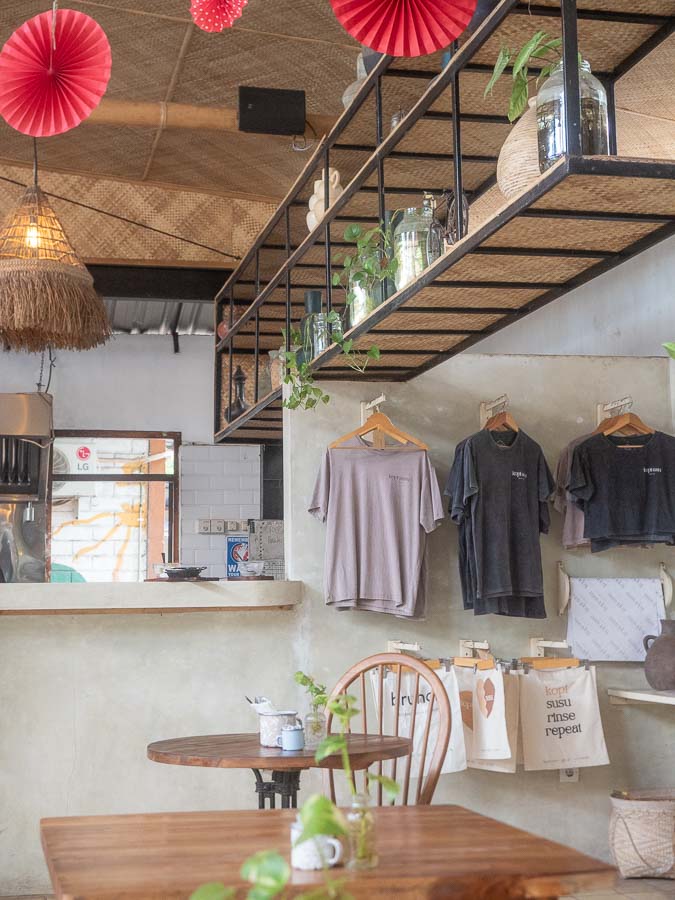
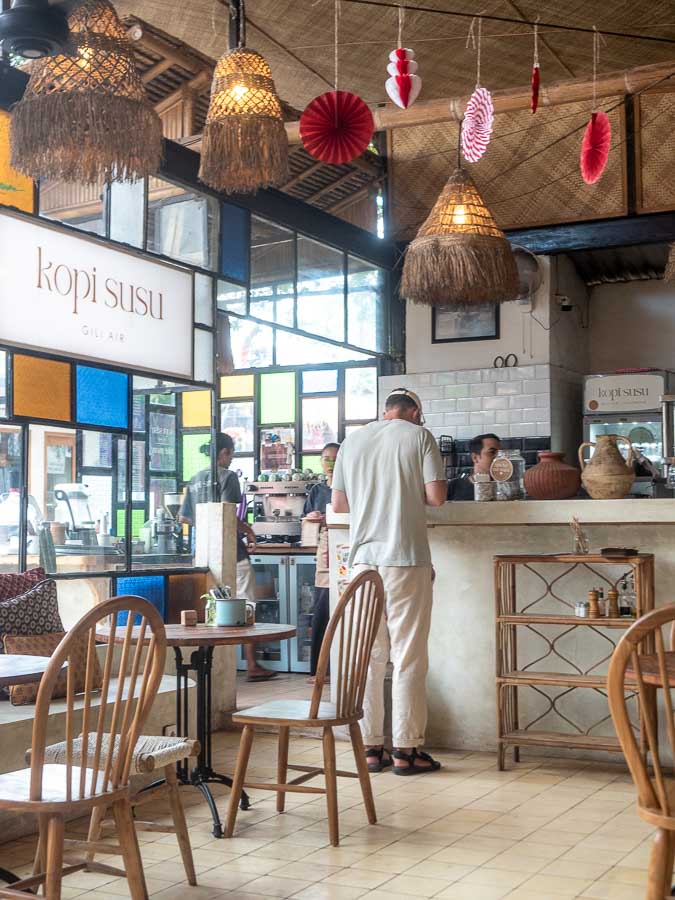
After yoga, we went to Kopi Susu for breakfast. They do this tapas-style thing where you choose a bunch of small items and assemble your own breakfast. I am sure this is not revolutionary, but it was new to me and I was very into it.
Good coffee too, which matters when you are about to leave island mode and start doing logistics again. A tragic but necessary transition.
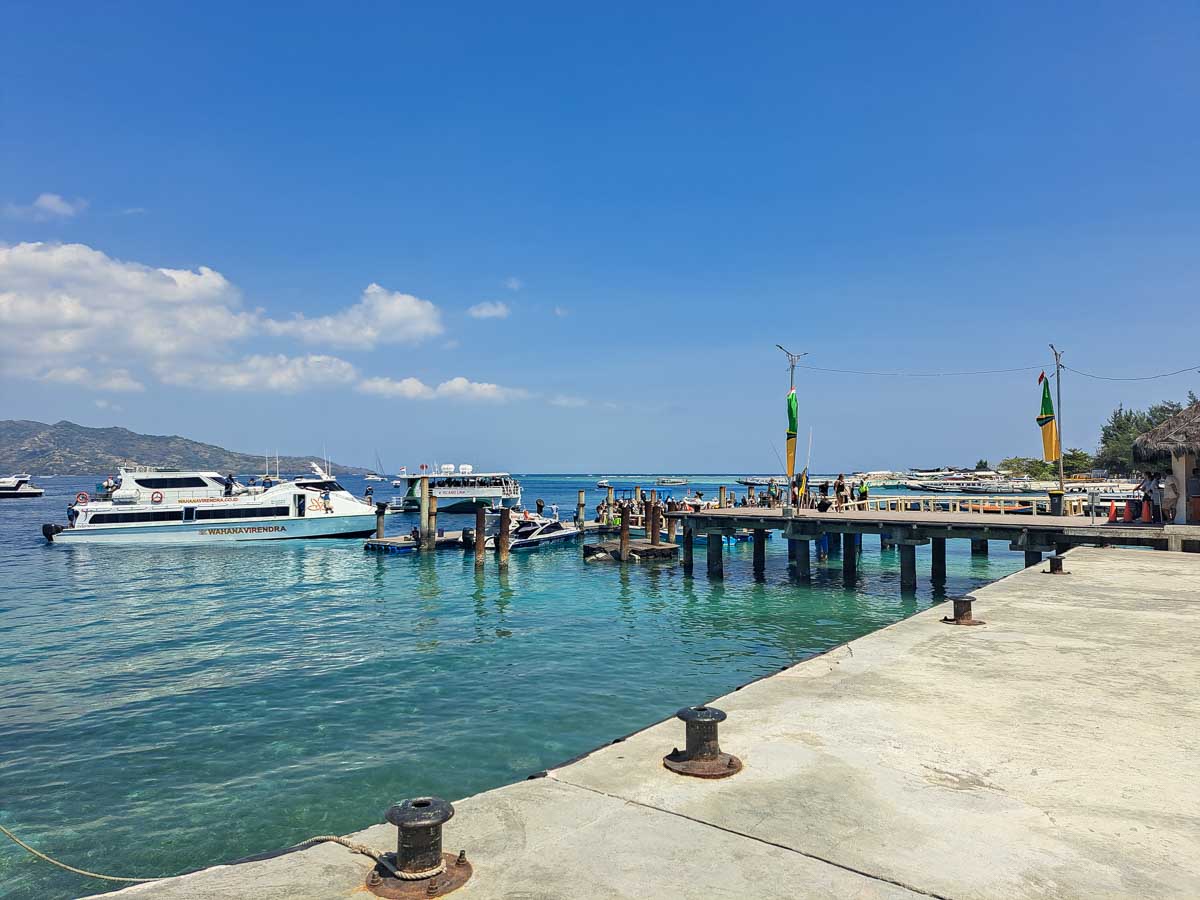
Ferries run regularly back to Bangsal Harbour, so you usually do not need to overthink it. Just give yourself enough buffer if you have a driver waiting, because ‘island time’ and strict itinerary planning are not natural friends.
On the drive inland, we stopped at Sendang Gile and Tiu Kelep waterfalls. It is a short jungle walk, plenty of spray, and the kind of cold dip that wakes you right up before the climb. Lunch was a simple, spicy nasi campur at a roadside warung before pushing on to Sembalun by late afternoon.
Most trekking companies either own or partner with a guesthouse for the night before Rinjani. That is not a luxury thing. It is because the trek starts early, and you need the briefing, gear check, breakfast and trailhead transfer already sorted.
Day 4: Start The Mount Rinjani Trek

Mount Rinjani is a 3,726m active volcano, and the trek is the point where this itinerary stops being relaxed island hopping and starts becoming a proper adventure.
Our guide was ready and waiting at 6:30am outside the guesthouse. We had half an hour to eat breakfast and pack before we were on the road to the trailhead. Very civilised, if you ignore the fact we were about to climb a volcano.
The first part of the day starts gently enough through open meadows. Then the trail gradually steepens past Pos 1 and Pos 2, with lunch somewhere in the middle and the crater rim waiting above you like a personal accusation.
By mid-afternoon, the climb feels serious. You are tired, dusty, and suddenly very aware that the crater rim is not just a nice viewpoint. It is also where you are sleeping.
Heads up: Rinjani rules, permits and opening status can change. Check the current national park guidance and confirm your operator is handling permits properly before you trek.
The campsite is basic, but the views are ridiculous. Your crew sets up tents and cooks a simple dinner while everyone wanders around pretending they are not already thinking about the 2am summit alarm.
They are. Obviously.
Day 5: Summit Rinjani And Transfer To Kuta
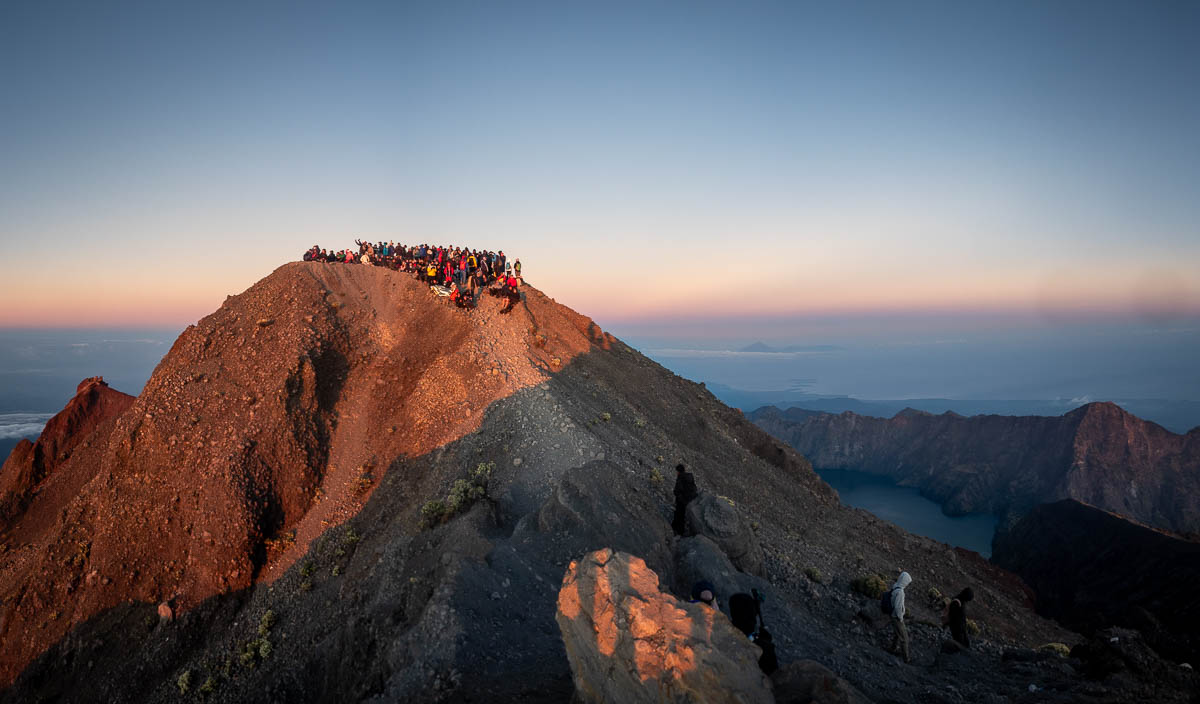
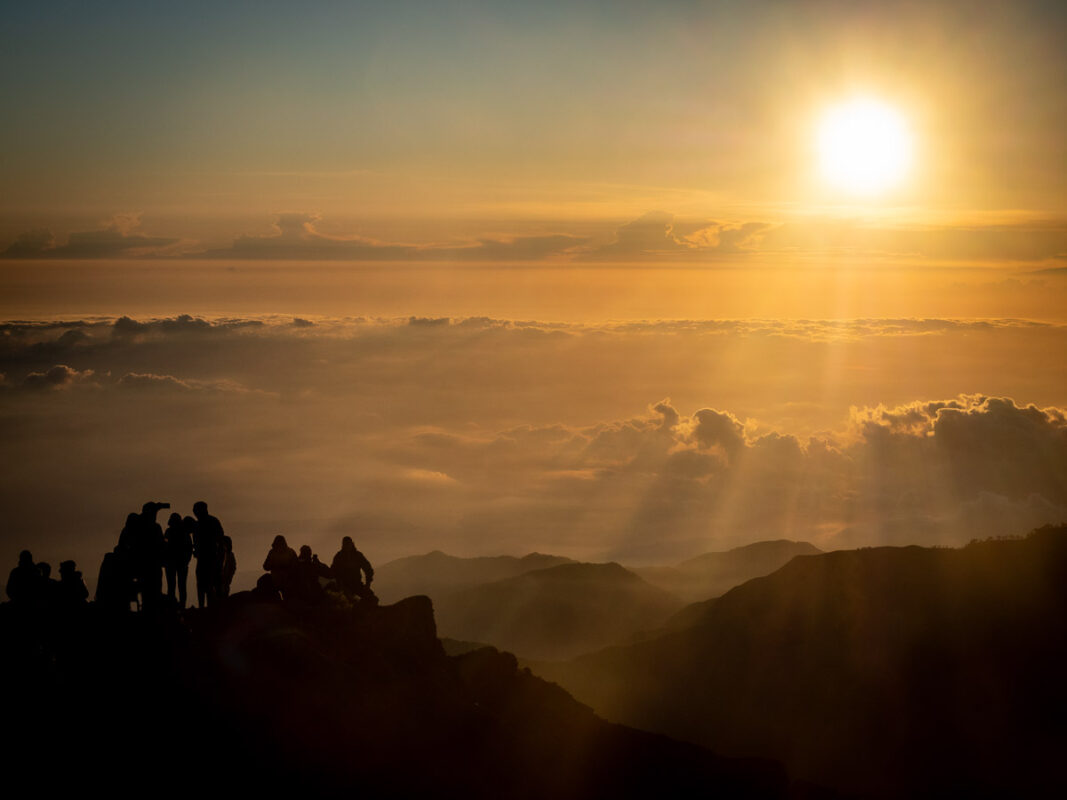
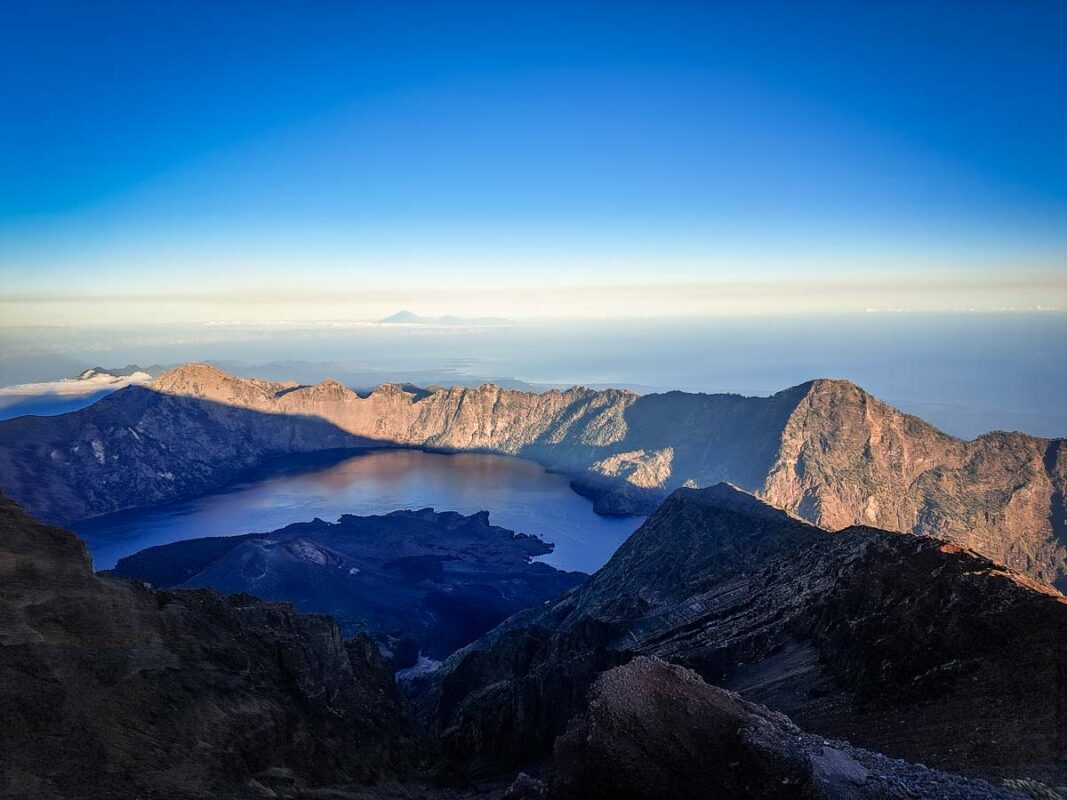

The alarm goes off in the middle of the night. You drink something hot, eat whatever breakfast your body will accept at that hour, then start the summit push in the dark.
This is the hardest part of the trek. The trail is loose, steep and slow, and every step up seems to slide half a step back. There were a lot of cold tourists near the top when we summited, so do not skimp on warm layers. Rinjani looks tropical on Instagram. It does not feel tropical at 3,726m before sunrise.
Was it worth it?
Yes. Annoyingly, yes.
After sunrise, you descend back to the crater rim for breakfast, then keep going down to Sembalun. By the time we got back to the guesthouse, the guides had arranged our transfer south to Kuta. We showered, ate, and buckled up for a very sleepy drive.
If you are still choosing a trek, read my full Rinjani guide. This is the one part of the itinerary I would not just wing. You can also compare the current Mount Rinjani multi-day hiking tour on Klook against booking direct with a local operator.
Day 6: Recover In Kuta Lombok
Waking up in Kuta after Rinjani feels excellent. The air is warmer, the coffee is closer, and your legs have developed a small but passionate hatred of stairs.
I would keep this day easy. Do a surf lesson at Selong Belanak if you have energy, book a Sasak massage if you do not, then eat somewhere good and congratulate yourself for not adding another mountain to the schedule.
Selong Belanak is a great learner beach. The bay is wide, the sand is soft, and the waves roll in at a pace that gives you enough time to stand before being swallowed by water. Small wins. Big grins. Very flattering photos if someone catches the one second you are upright.
After Rinjani, I would strongly recommend the massage. The technique uses firm rhythmic pressure with forearms and elbows, which is either exactly what you need or a formal conversation with your calves about their life choices.
Planning a few nights in the south? Read my Kuta Lombok accommodation guide. Kuta is the best base for surf lessons, south-coast beaches and food.
Day 7: Road Trip To Benang Stokel And Benang Kelambu
After the big Rinjani effort, I wanted a different kind of day, so we headed inland to Benang Stokel and Benang Kelambu waterfalls.
Benang Stokel is the easier first hit: twin streams falling into a shallow basin, short walk, cool spray, quick swim. Benang Kelambu is softer and more unusual, with water threading down through greenery in thin veils.
It is a good road-trip day from Kuta, but it is still a proper detour. This is where Lombok’s distances start to matter. You can absolutely do it, but do not pretend it is a casual 20-minute pop-out between breakfast and lunch.
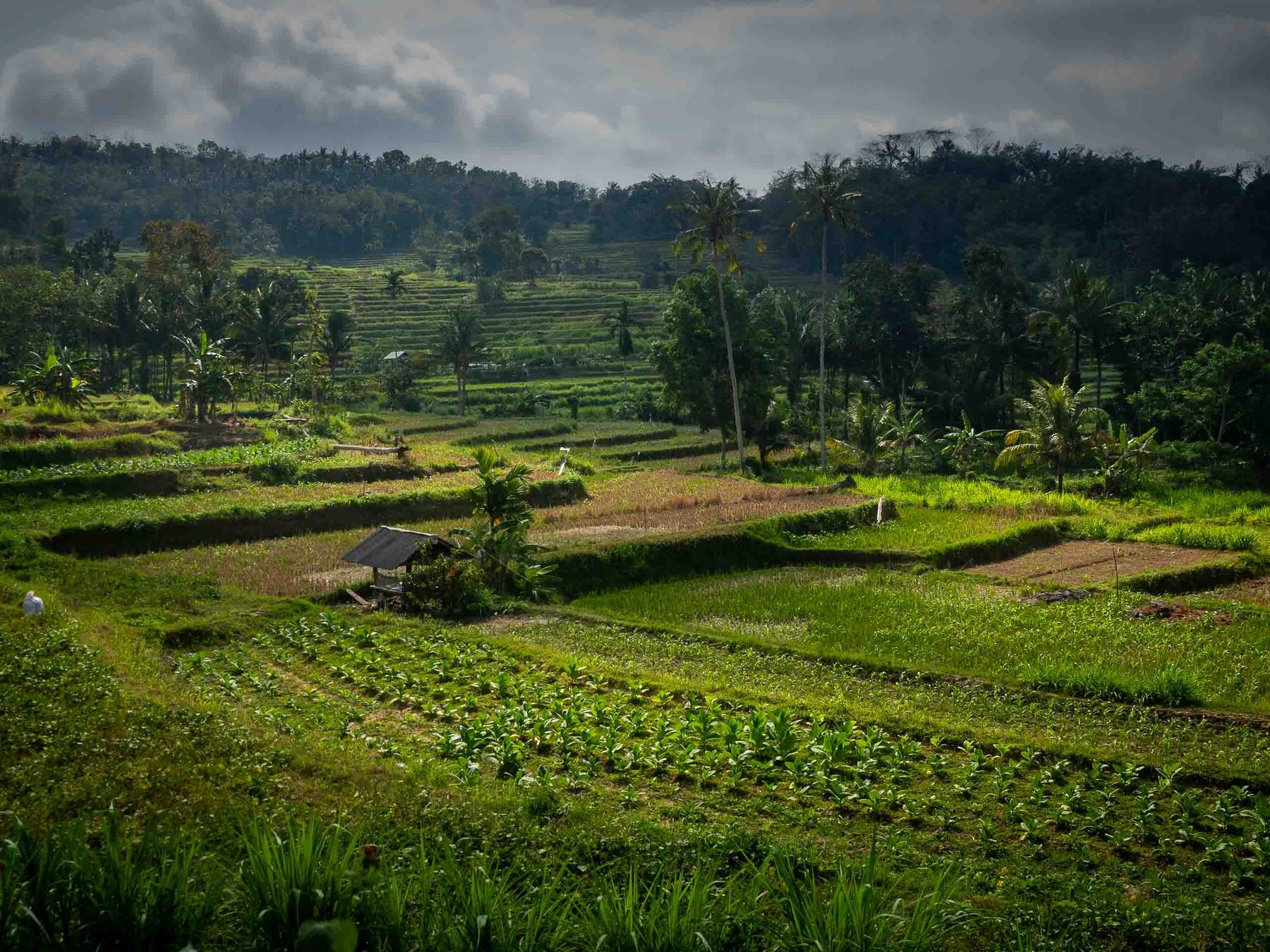
Tetebatu is the greener alternative. It pairs rice terraces with Sarang Walet, a small waterfall hidden inside a dark, vine-covered grotto. Do Benang or Tetebatu, not both in one heroic day. They deserve more than a rushed photo stop.
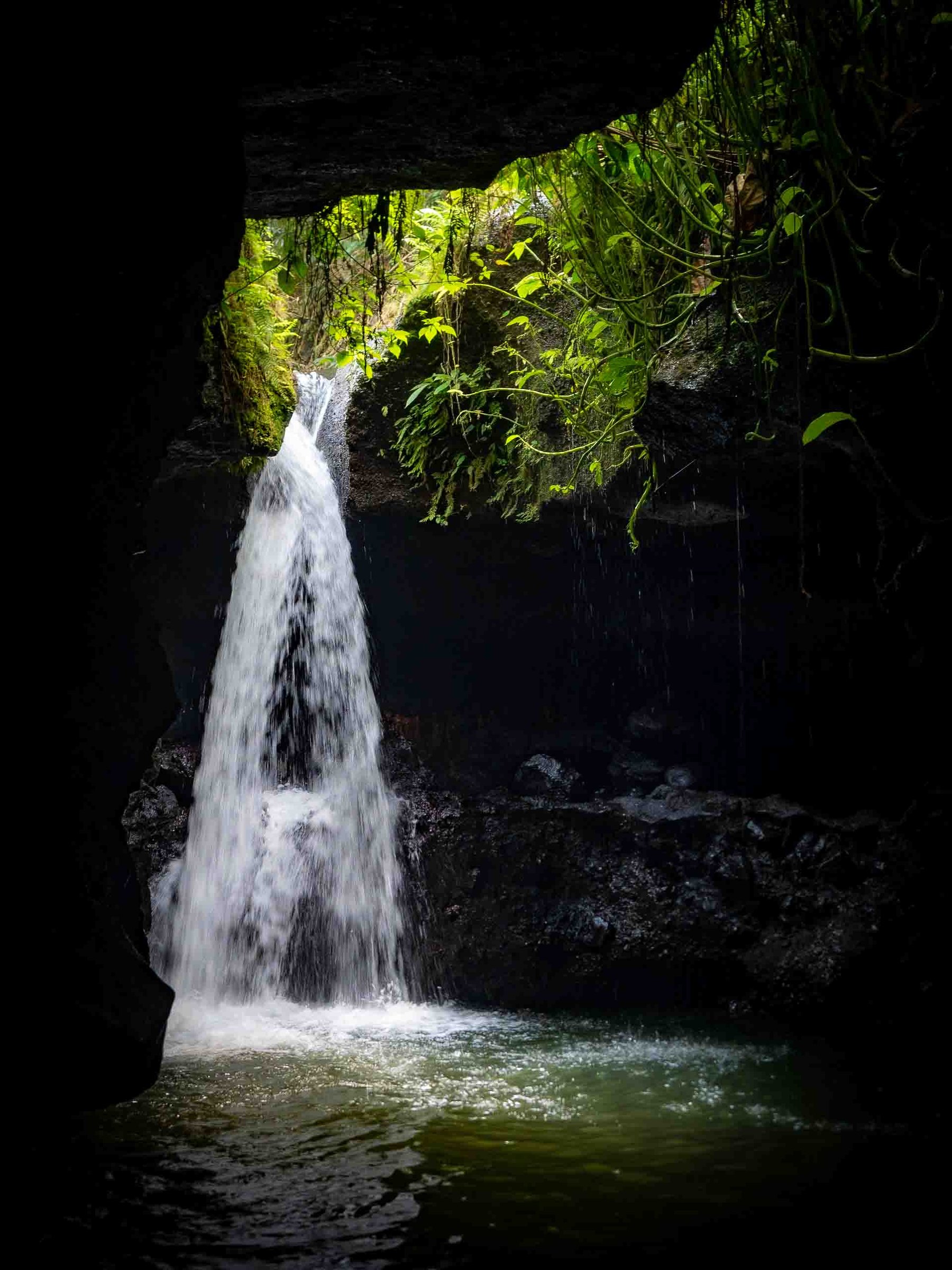
Tip: Wear shoes you do not mind getting wet, bring dry clothes, and hire a local guide if the route feels unclear. Lombok waterfalls are much more fun when you are not trying to navigate slippery paths with one hand on Google Maps.
Day 8: Tanjung Aan And Bukit Merese

Tanjung Aan reminded me why Lombok’s south coast is worth the effort. The water is that slightly ridiculous turquoise colour that makes you suspicious of your own camera, and the beach has enough space that it does not feel like everyone has been poured into the same small patch of sand.
Swim first, before the heat gets silly. Then head up Bukit Merese for the view over the bays and rolling hills. The climb is not hard, but it is exposed, so bring water and avoid doing it at the most heroic hour of the day.
This is also a good reminder that Lombok is not Bali with quieter branding. The south has its own look: dry hills, wide bays, big sky, less polish.
Better, if you ask me.
Day 9: Mawun Beach And Kuta Food
Mawun Beach is the kind of place I would keep flexible. Go when you feel like swimming, reading, lying around, or pretending you are going to read before immediately falling asleep.
The bay is crescent-shaped, with one side usually calmer and the other a bit more energetic. It is not complicated. That is the appeal.


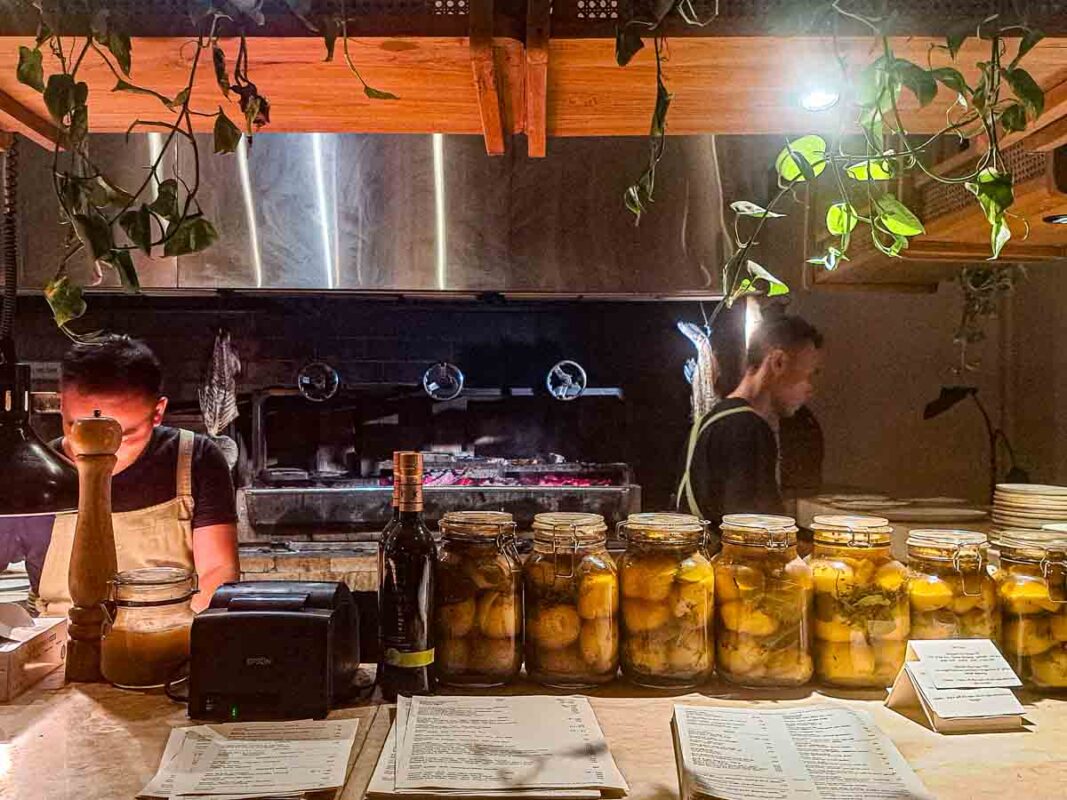
Back in Kuta, the food scene is genuinely excellent. I know that sounds like a throwaway travel-blog line, but it was one of the biggest differences between Lombok and the version of Lombok I had in my head before arriving.
El Bazaar stood out for Mediterranean food and atmosphere. Kuta has that nice mix of locals, travellers, surfers and people who clearly came for three days and are now discussing lease terms.
This is why I would give Kuta at least three nights. You are not just sleeping near beaches. You are using it as the proper base for the whole south coast.
Day 10: Snorkel The South Gilis
Leave Kuta early and drive west through Sekotong. Allow roughly two hours to reach the boat-launching area; your operator will confirm whether you are meeting at Tembowong or Pantai Kepo. This is not a quick pop around the corner, but it keeps the route moving west instead of doubling back north.

From there, take a local outrigger boat through the South Gilis. Trips vary, but I would prioritise Gili Layar and Gili Asahan, then let the guide choose another reef around Gili Rengit, Gili Goleng or Gili Gede according to the conditions.
The whole point is to snorkel. These islands are quieter than Gili Air and the boat moves between coral gardens, clear shallows and little beaches where lunch can appear with almost no ceremony. Mask on. Face down. Very little admin once you are actually out there.
How I would organise it: ask your Kuta hotel to arrange the car and boat as one trip, or book through a Sekotong operator and have them confirm the mainland pickup. Check that the price includes the boat, snorkelling gear, an in-water guide, drinking water and lunch. Gili Asahan Eco Lodge currently lists shorter guided trips from the island at IDR 800,000 per boat for up to four people, which is a useful baseline; a full day with road transfers will cost more.
Heads up: Do not put a fixed flight or fast boat on the same evening. Finish the snorkelling day, stay around Sekotong or Gili Asahan, then travel onward the next morning. Sea conditions and Lombok roads are both capable of editing your timetable without permission.
Would I Change Anything?
Honestly, not much. I would still start on Gili Air, still do Rinjani, still give Kuta the biggest chunk of time, and still finish in the water around the South Gilis.
The main thing I would not do is rush it. Lombok has fewer obvious attractions than Bali, but the distances are bigger and the island works better when you let the route breathe.
If you only have five or six days, cut Rinjani or cut the Gilis. Do not try to do both plus Kuta properly unless you enjoy being a passenger with a backpack and a thousand-yard stare.
If you have longer, add a full night on Gili Asahan, extra Kuta beach days, or a slower Rinjani recovery night. That would be the luxurious version.
Lombok does not try to be Bali, and that is exactly the charm. It is rawer, slower, and still a little under the radar – but with enough variety that 10 days feel full without being frantic.
That is the sweet spot.
For planning, the main things to lock in are your Rinjani operator, your first boat to Gili Air, and the car-and-boat handover for the South Gilis. Everything else can breathe a bit. The cheatsheet below has the usual insurance, eSIM, cash and water bits.
Lombok Planning Cheatsheet
🚑 Should I buy travel insurance for Lombok?
100% YES! — Indonesia does have hospitals and clinics, but standards vary outside Bali. In Lombok, basic care is available, but for anything serious you’ll likely be evacuated to Bali or even Singapore – which gets very expensive.
If you do get insurance, check the fine print: many policies won’t automatically cover adventure activities like diving, surfing, or trekking Mount Rinjani. (Even credit card complimentary cover usually excludes these.)
I highly recommend World Nomads because you can add specific extras for diving, motorbike rental, and trekking above 3,000m (which you’ll need for Rinjani!).
🎫 Do I need a visa for Lombok (Indonesia)?
Probably not – Indonesia offers a Visa on Arrival (VoA) to 90+ nationalities, valid for 30 days (extendable once for another 30). Cost is about IDR 500,000 (~$35 USD).
Some passports get visa-free entry for 30 days. Others need an eVisa in advance. Double check the latest rules before you go, as Indonesian visa policies can shift.
💉 Do I need any vaccinations for Lombok?
YES! Make sure you’re up-to-date with routine vaccines (Hep A, Hep B, Typhoid, Diphtheria/Tetanus).
Lombok is low-risk for rabies but stray dogs and monkeys exist, so a rabies pre-exposure shot is something to discuss with your doctor if you’ll be trekking or in remote areas.
Also ask your GP about malaria prophylaxis if you plan to spend time in rural/forested areas (less of an issue on the southern beaches or Gilis).
💸 How do you pay for things in Lombok?
Cash is still king in Lombok. Many warungs, surf schools, and small guesthouses will only accept cash. Larger resorts, dive shops, and restaurants in Kuta or Senggigi will usually take cards.
Bring cash for rural areas – ATMs are common in Kuta and Senggigi, but patchy in smaller villages.
I personally use a Wise debit card when travelling — it works in Indonesian ATMs and has much better exchange rates than NZ banks.
→ Get the Wise card I use — set it up before you fly so it’s ready to tap the moment you land.
🚌 What’s the public transport like in Lombok?
Honestly, not great. There’s no real bus system for travellers. Locals use bemos (minibuses), but they’re slow and confusing if you don’t speak Bahasa.
The easiest options are:
- Scooter rental in Kuta (~IDR 80–100k per day / $5–7 USD).
- Private driver for long distances (eg. Gilis → Rinjani, Rinjani → Kuta). Your hotel can arrange this.
Domestic flights (eg. Bali ↔ Lombok) are frequent and cheap, but once you’re on Lombok, expect to rely on wheels.
📲 How do I get internet/data/wifi in Lombok?
Coverage is pretty solid around Kuta and Senggigi, weaker up in Rinjani.
Buy a Telkomsel SIM card for best coverage — available at kiosks or phone shops (bring your passport). Avoid overpriced “tourist SIMs” at the airport.
If you want zero hassle, grab an Airalo eSIM before you go (I prefer Airalo). These are more expensive than a local SIM but works instantly when you land and worth the convenience if you ask me.
✈️ What’s the best site to buy flights to Lombok?
I recommend Skyscanner to compare flights, but always book directly with the airline once you’ve found your route. Flights from Bali are only ~30 minutes and usually $40–70 USD one-way.
💧 Can you drink the water in Lombok?
Nope — tap water isn’t safe. Stick to bottled water or use purification tablets.
II always use these Aquatabs and also recommend a Brita Water Bottle – handy if you’re trekking Rinjani or staying somewhere more rural where bottled water isn’t easily available.


