Best Cameras for Kilimanjaro + 10 Photo Spots Worth Shooting

Kilimanjaro is a ridiculous place to take photos, but not always in the neat, postcard way you expect. Some sections look huge in real life and oddly flat on camera. Some of the best shots happen when you are cold, half-asleep, dusty, or wondering why you paid money to walk uphill for a week.
So this guide does two jobs: where to actually stop for photos on Kilimanjaro, and what camera I would bring or buy now. Because yes, the view matters. But so does whether your battery is dead inside your jacket.
Table of Contents
The Short Version
If you are not already into cameras, use your phone and spend your money on the operator instead. A good guide, a sensible route, and enough time on the mountain matter more than buying a fancy camera two weeks before you fly. My current easy booking pick is Skyhook 8-day Lemosho trip; I would rather see someone book a better route than carry a camera they barely know how to use.
Heads up: The cold is brutal on batteries. On summit night my phone went from roughly 60% to dead in about 20 minutes, and I nearly missed the Uhuru Peak photo. Keep your phone, camera and spare batteries inside your jacket, against your body. Pull them out, shoot, put them back. Not elegant. Works.
Where to Take Photos on Kilimanjaro
For a normal Kilimanjaro trek, the best photo stops are mostly on the standard route: Shira, Barranco, Karanga, Stella Point, the ice fields and Uhuru. Unless you are doing a crater-camp itinerary, you probably do not need to plan your whole camera strategy around Reusch Crater. And if you want the classic distance shot from off the mountain, you are looking for Mount Meru in the background, not some mysterious extra peak.
1. Shira Plateau

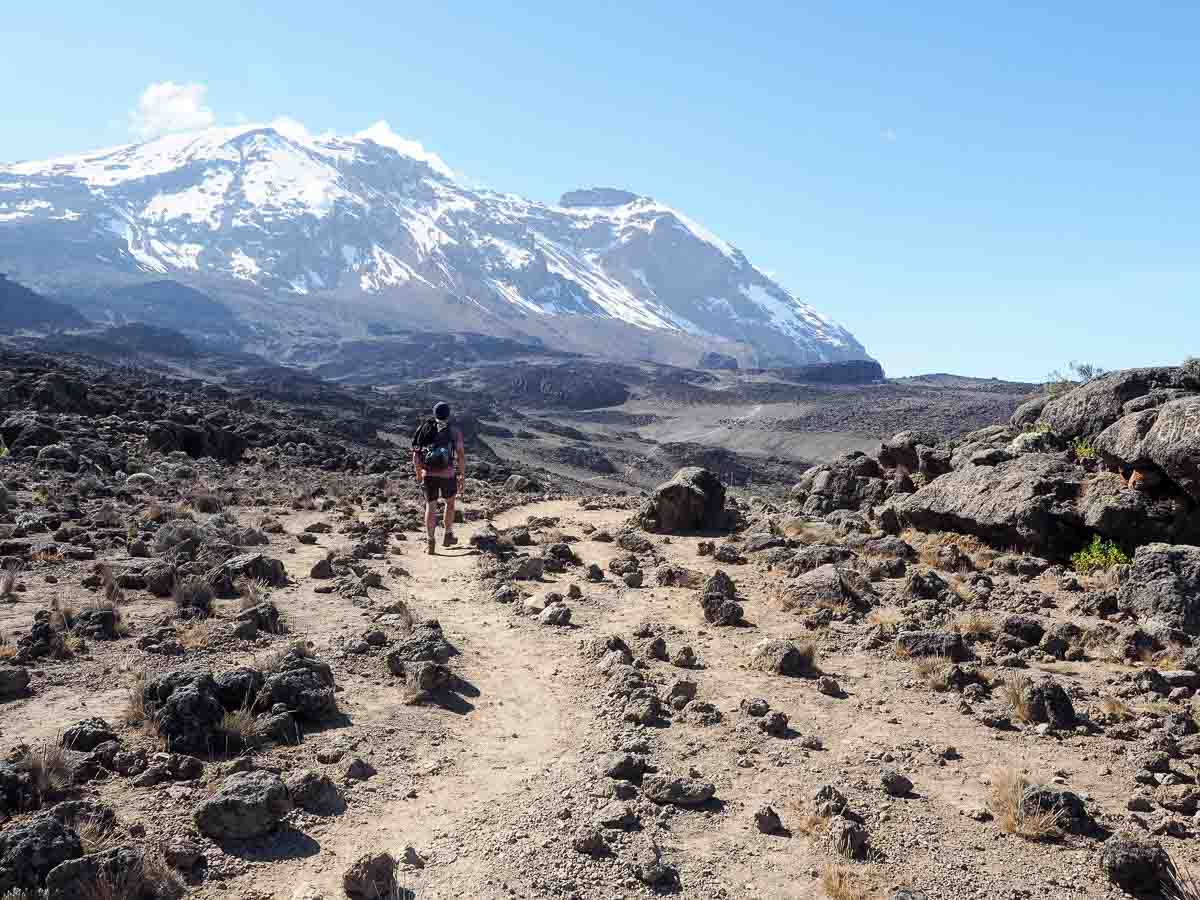
Shira Plateau is where the mountain starts to feel properly strange: wide, open, volcanic, and high enough that the air already has a bit of bite. This is where wide landscape shots work best, especially if you can get a person or a line of porters in the frame for scale.
Shoot early or late if you can. Middle-of-the-day light turns everything a bit beige and flat, which is annoying because the place feels anything but flat when you are actually standing there.
2. Above the Clouds near Shira II

This is one of the easier wins: clouds below you, Meru in the distance, tents or trail in the foreground. You do not need a serious camera here. A phone does a pretty good job as long as you tap to expose for the sky instead of letting everything turn white.
3. Porters on the Trail
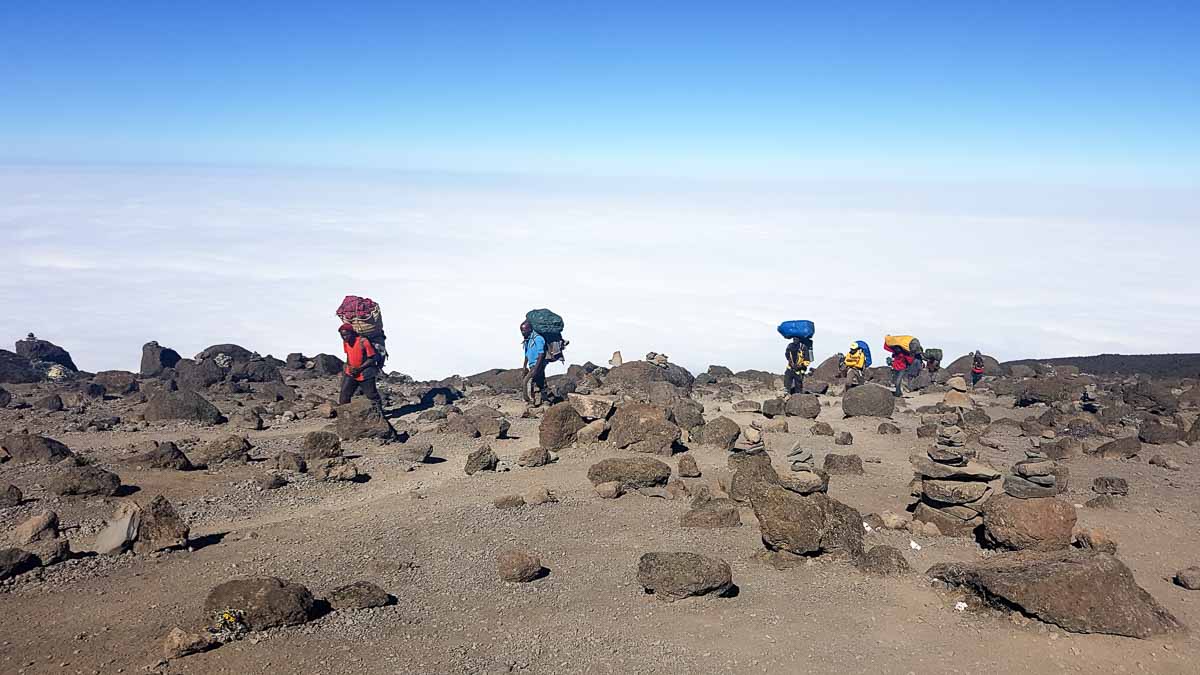
My favourite Kili photos are not all summit photos. Some are the trail-life shots: porters moving through dust, bags balanced like it is nothing, people quietly doing the hard work that makes your climb possible.
Be normal about it. Ask before taking close portraits, and do not shove a camera in someone’s face while they are working. Wide shots from behind or to the side often tell the story better anyway.
4. Lava Tower
Lava Tower is useful because it gives you scale. The rock itself is a big volcanic plug, and the best shot is usually not the tower alone, but a person walking beneath it.
The catch is weather. It can be misty, cold and grey up there, which either looks moody or just looks flat. Take a few, do not linger forever, keep walking.
5. Barranco Wall
The Barranco Wall is where action shots make sense. You have people scrambling, hands on rock, a line of climbers zigzagging above and below you. It looks more dramatic in photos than it feels in the moment, which is rare and therefore helpful.
Tip: Shoot the wall before you start climbing, then turn around near the top and photograph the line behind you. Those two angles are usually better than trying to take photos while your own hands are busy.
6. Karanga Camp at Night
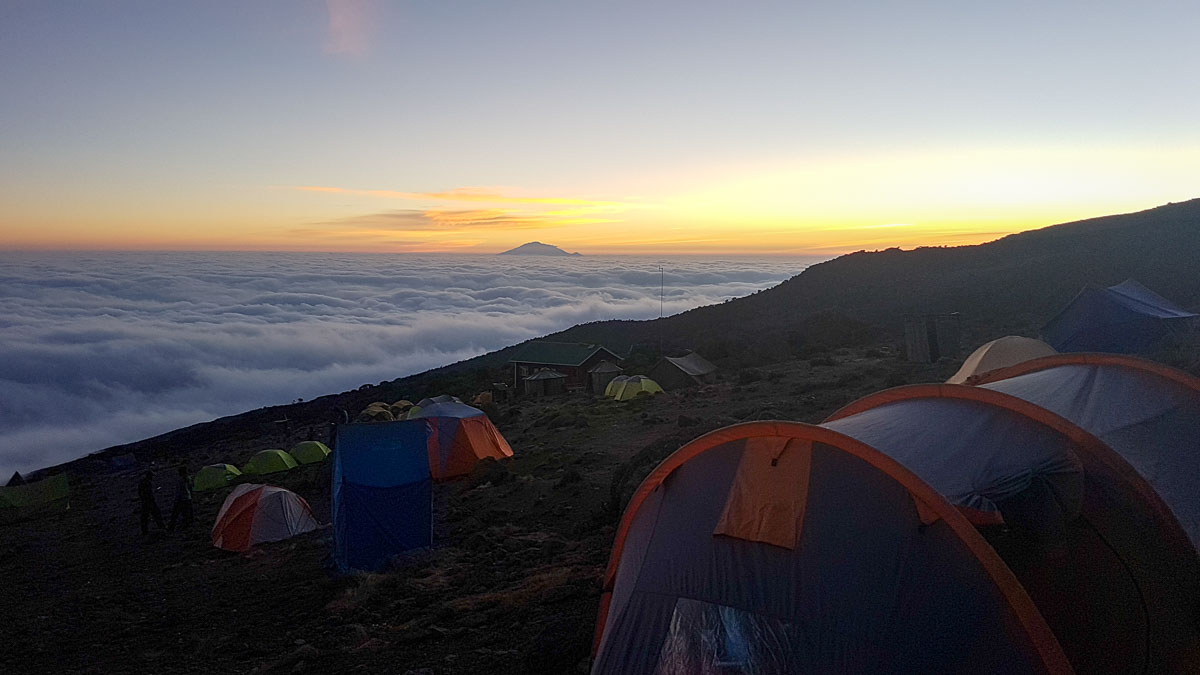
If you want night-sky photos, Karanga is the obvious place. It is high, dark, and far enough from city light that the stars can look absurd when the sky is clear.
But this is where the camera question gets honest. A phone can take a decent night-mode shot if you brace it on a rock. A proper camera and tiny tripod will do better. A big tripod is probably dead weight unless this is a major reason you are climbing.
7. Stella Point at Sunrise

This is the one. Stella Point is where you hit the crater rim, usually around sunrise, while running on no sleep and whatever stubbornness you had left in storage.
The light can be ridiculous for about ten minutes: cloud below, glacier light, people arriving in various states of emotional damage. Have your camera ready before you get there. This is a terrible time to discover your phone has frozen itself into a decorative rectangle.
8. Southern Ice Field

The ice fields are the most surreal thing you will photograph near the summit. White-blue ice, black volcanic rock, thin air, and that odd feeling that you are walking through something temporary.
Do not write a fake countdown into your caption, but yes, the ice is retreating fast. Take the photo. Also take a second to actually look at it without the screen between you and the mountain.
9. Uhuru Peak Sign

The Uhuru sign photo is not the most beautiful photo you will take, but it is the one everyone wants. Fair enough. You have just walked to the roof of Africa. Get the cheesy sign photo.
There will probably be a queue, everyone will be freezing, and nobody wants you doing a full influencer shoot. Know your pose, wipe the snot off your face if you have the energy, and ask your guide to take the photo. They know the drill.
10. Kilimanjaro from Moshi
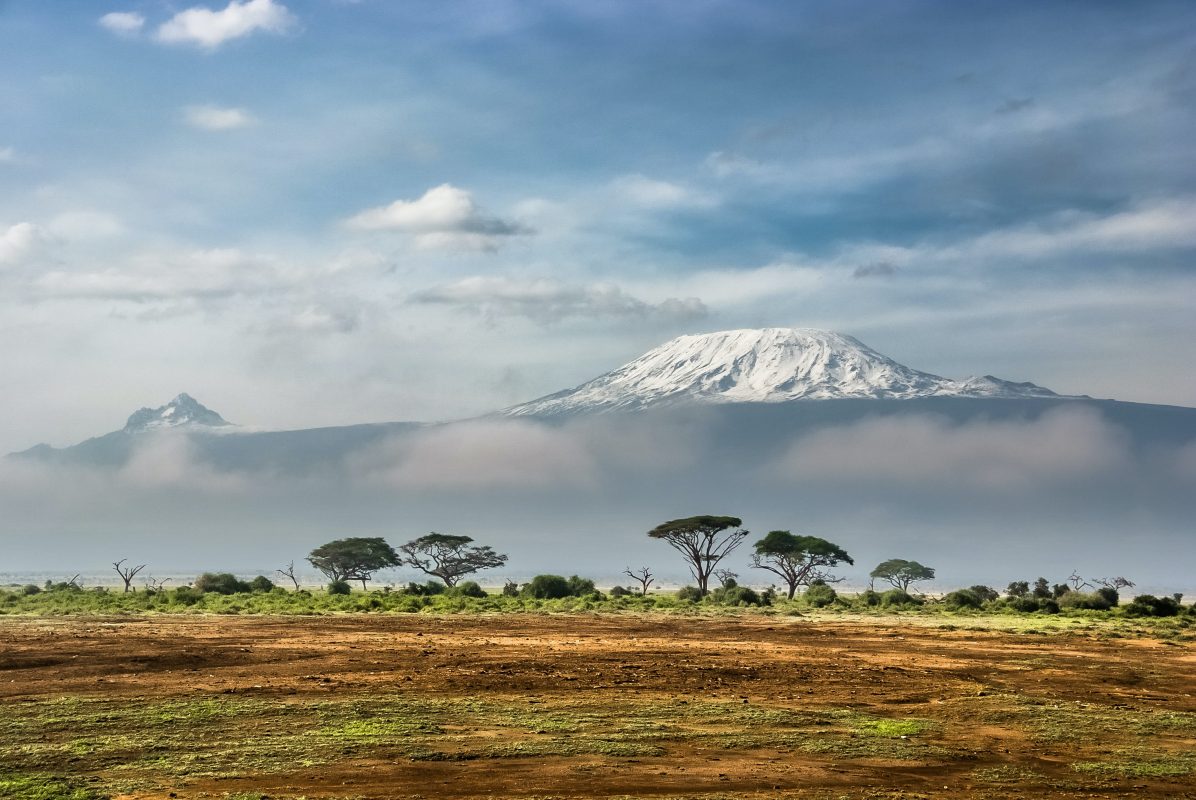
Do not skip the pre-climb or post-climb mountain shot from Moshi. Clear mornings are the best bet, before cloud builds around the summit. It is also a nice little before-and-after: nervous person looking at the mountain, then slightly feral person staring back at it with a beer.
What Camera Should You Bring for Kilimanjaro?
I would not overcomplicate this. Kilimanjaro is dusty, cold, slow, sweaty, and occasionally wet. You are also tired for a lot of it. The best camera is the one you can use quickly without holding up the group.
Best for Most People: Your Phone + Power Bank
A modern phone is good enough for most Kilimanjaro photos. Spend the camera money on a better route, better operator, warmer gloves, or a proper down jacket. Bring a small Anker power bank, download your route notes offline, and keep the phone warm.
The biggest phone limitation is not image quality. It is cold, storage, and battery. Clear space before you fly, turn on airplane mode on the mountain, and do not leave the phone sitting in an outside pocket on summit night.
If I were buying one camera for Kili today, I would get the Sony RX100 VII. If I cared more about little videos than still photos, I would get the GoPro HERO13 Black instead. That is the whole buying decision for most people.
Prices move around constantly, so treat the costs below as rough bands rather than gospel.
Best for Video: GoPro HERO13 Black
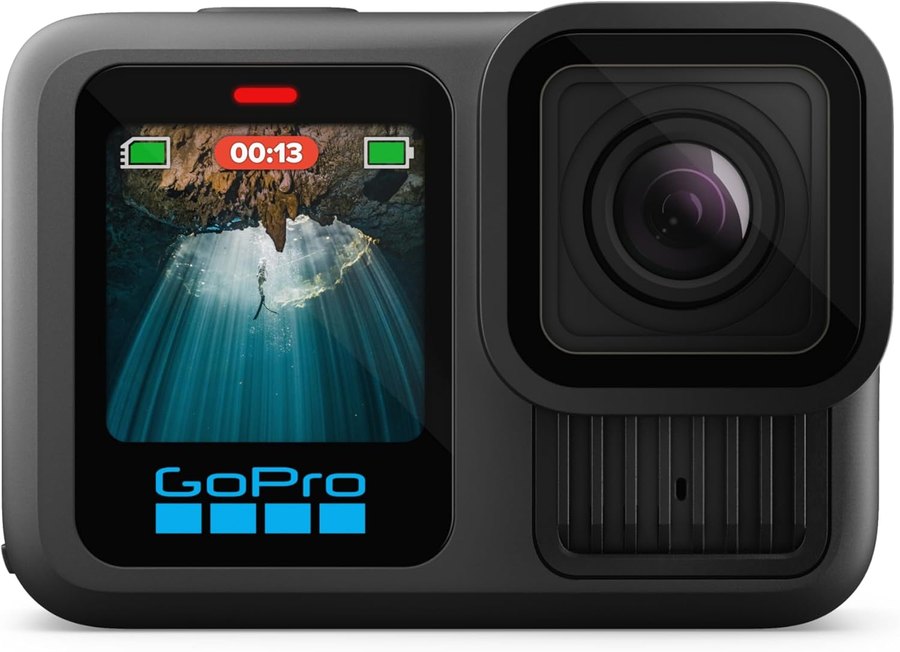
If video matters, I would look at the GoPro HERO13 Black. It is the least annoying way to capture walking clips, camp life, summit-day chaos, and weather without babying your camera.
The downside is that GoPro photos still look like GoPro photos. Good for action, okay for wide scenes, not what I would buy if your main goal is nice still images.
Best Proper Camera Without Lens Faff: Sony RX100 VII
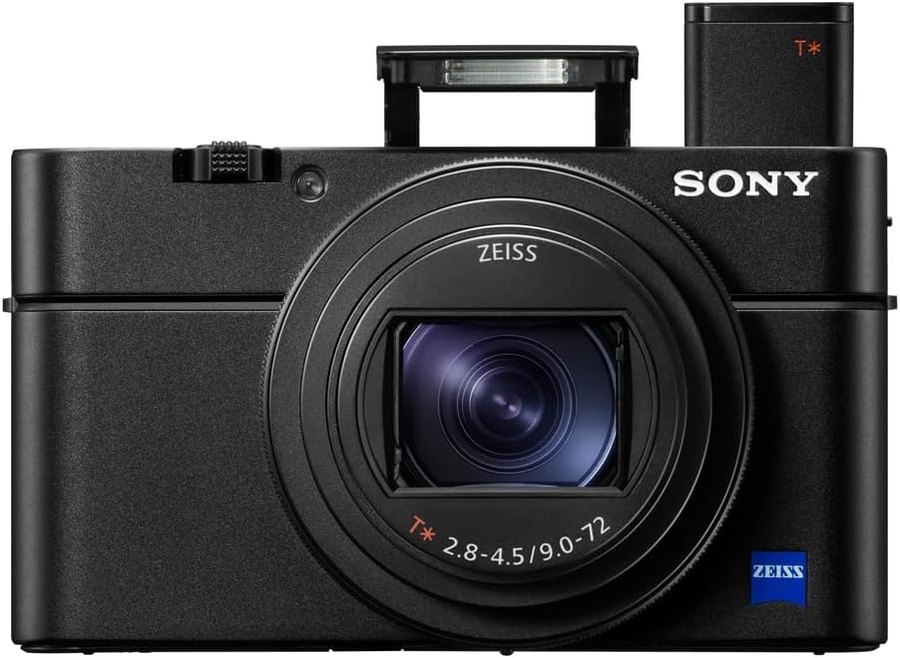
The Sony RX100 VII is the neatest Kili camera if you want better photos than a phone without carrying a full lens system. Small body, useful zoom range, good autofocus, easy to keep inside your jacket.
It is expensive for a compact. Annoyingly expensive, really. But for this specific job – travel, hiking, quick shots, no lens changes – it makes more sense than pretending you will happily swap lenses at 5,000m.
Best Affordable Mirrorless: Canon EOS R50
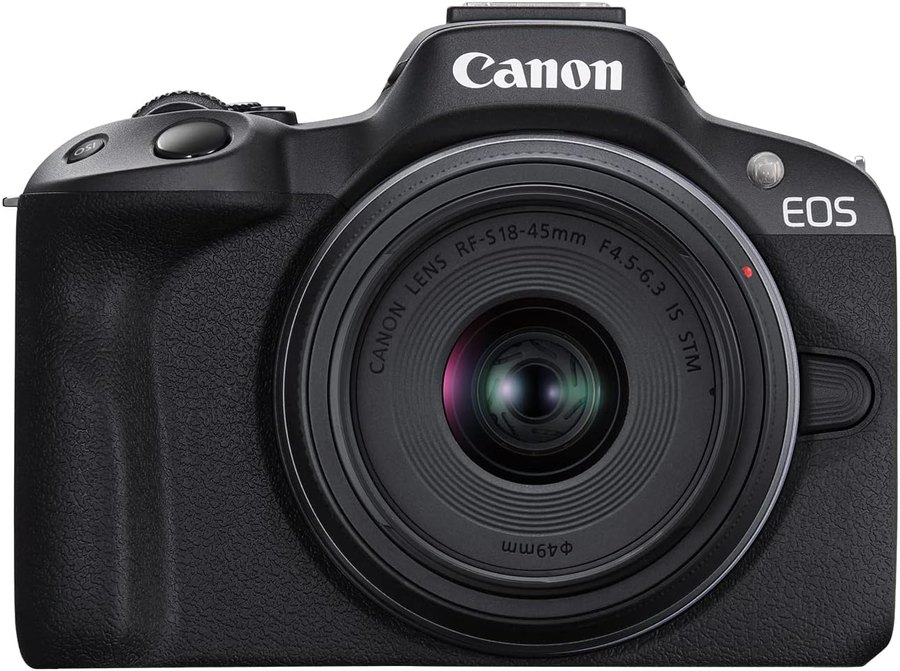
If you want a proper interchangeable-lens camera without going wild, the Canon EOS R50 is the beginner-friendly pick I would look at now. Pair it with a small kit lens or pancake lens and keep the whole setup simple.
This is not the rugged pro option. It is the sensible entry option for someone who wants better image quality, but does not want the camera bag to become the main character.
Best Serious Hybrid Setup: Sony a6700
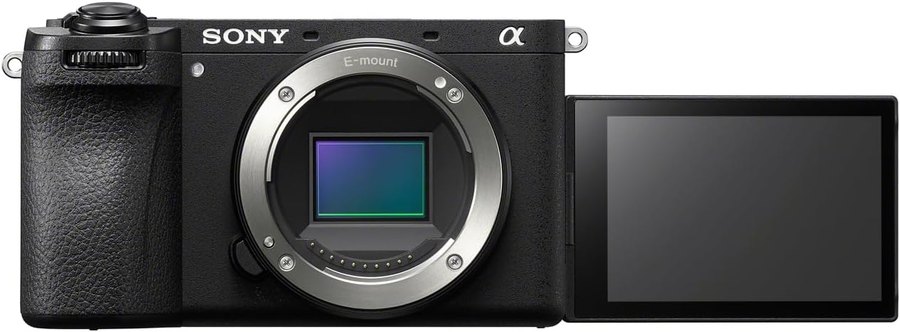
If you already shoot photos or video, the Sony a6700 is the serious APS-C setup I would look at first. It is small for what it can do, the autofocus is excellent, and it makes sense if you want strong video as well as stills.
For Kilimanjaro, keep the lens choice boring: one small wide-to-normal zoom, plus maybe a fast prime if you already own it. This is not the trip for bringing your entire camera shelf.
Best Serious Stills Setup: Fujifilm X-S20
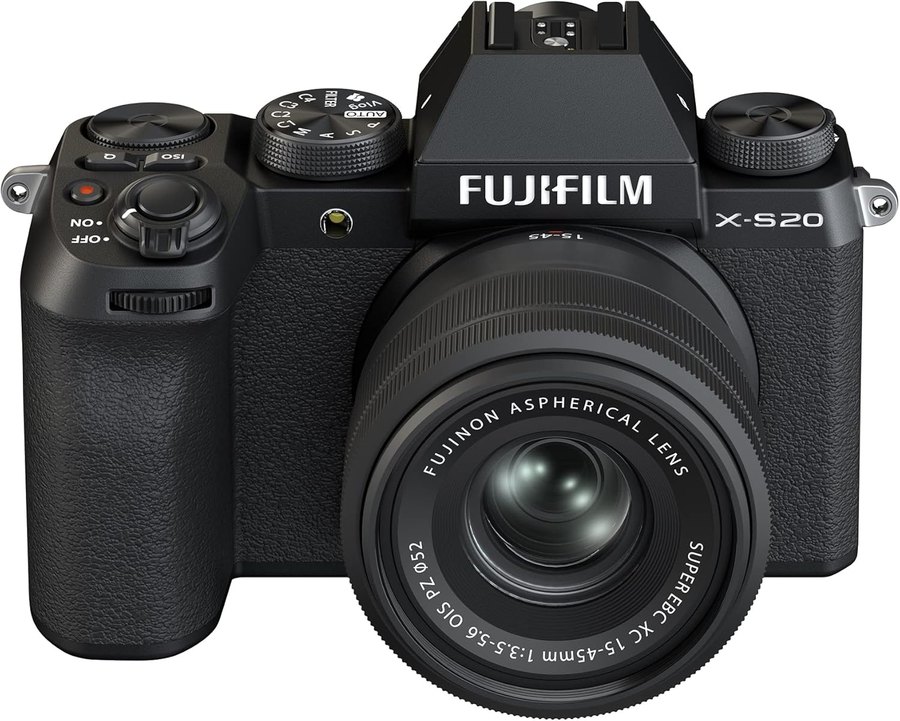
The Fujifilm X-S20 is the serious alternative if you lean more toward stills, colour, and enjoying the camera itself. Fuji files can look lovely without much editing, which is useful when you get home with 800 dusty mountain photos and limited patience.
Same warning though: it is only worth bringing if you already like shooting. If you buy it just before the trip, you may spend more time protecting the camera than enjoying the mountain.
Best Abuse-Proof Backup: OM System Tough TG-7
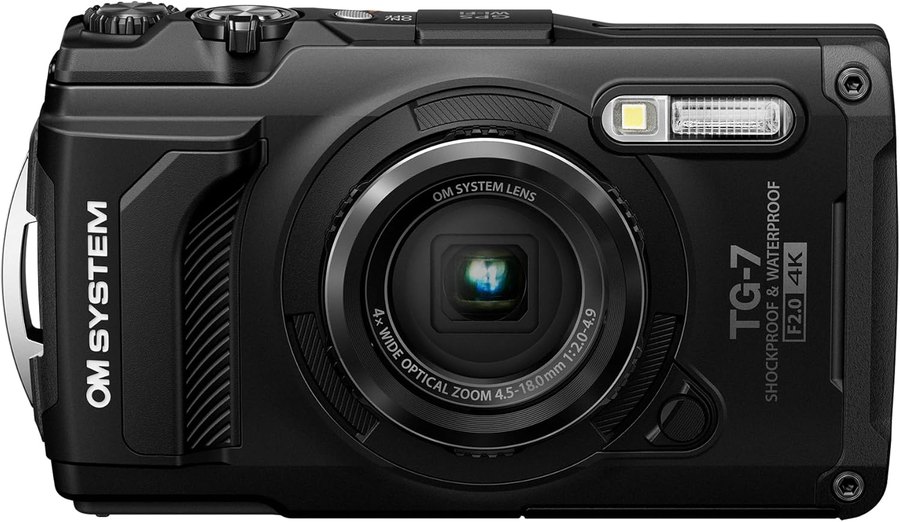
The OM System Tough TG-7 is the rugged option: waterproof, crushproof-ish, freezeproof, easy to throw in a pocket. I would not buy it for the best image quality, but I understand the appeal if you are rough on gear.
Small Camera Accessories I Would Actually Pack
- 10,000mAh power bank – enough for phone top-ups without carrying a brick
- Spare SD card – boring until your only card fails
- Two spare camera batteries – kept warm inside your jacket
- Zip-lock bags – dust and moisture protection for basically no weight
- Small camera sling – only if you are bringing a mirrorless setup
If you are still choosing a route, sort that first. My full route breakdown is here: Lemosho vs Machame vs Northern Circuit. For operators, start with my Kilimanjaro operator shortlist.
Final Verdict
For most people, I would bring a good phone, a small power bank, and maybe an action camera if you care about video. If you genuinely want better still photos, the Sony RX100 VII is the cleanest one-camera answer. If you already shoot mirrorless, bring the camera you know, not the camera a blog told you to buy three minutes ago.
And whatever you bring, keep it warm on summit night. The best camera on Kilimanjaro is still useless if it is dead in your pocket while the sun is coming up over Stella Point.
Tanzania Travel Planning Cheatsheet 🇹🇿
🚑 Should I buy travel insurance for Tanzania?
100% YES! — Tanzania has now introduceed “free” healthcare but it’s only for citiens! Tourists need travel insurance in case anything happens on your visit. Also be aware many policies won’t cover high altitude hiking as it’s a high risk activity!
(That’s right, check the t&c’s on your complimentary credit card insurance)
I highly recommend World Nomads as you can get specific add-ons for high altitude hiking UP TO 6000m (Which most travel insurance companies don’t offer!)
🎫 Do I need a visa for Tanzania?
Probably not — Tanzania now provide a visa on arrival (VoA) for most western countires which allows you stay for up to 90 days. However, some other countries do need a pre-approved eVisa (check here!). VoAs cost $50 USD for a single entry – Note, US Citizens are required to get a Multi-Entry visa which costs $100 USD. (View visa prices here)
If transiting through Kenya (a lot of people fly via Nairobi), you’ll need a Kenyan visa too. Visa’s cost $20 for a 3 day transit visa and $50 for a toursit visa
(By the way, on both my interactions with the imigration officers in kenya they tried to scam me, so know what your obliged to pay and BRING THE EXACT CASH for the visa!)
💉Do I need any vaccinations for Tanzania?
YES! Make sure you are up-to-date with all your vaccines. Common travel vaccines include Hep A/B + Typhoid, and Diphtheria + Tetanus.
A yellow fever vaccination isn’t a requirment to visit Kilimanjaro but is for neighbouring areas in East Africa. In reality, you will might not be allowed back into your home country on your return (I was asked for proof of vaccination upon returning to Australia) so getting this jab prior made for good peace of mind.
Rabies is an issue in Tanzania but the vaccine is expensive and ineffective as a preventative measure (it only lasts a few years and you’ll need to get them again if you require treatment). If bitten by a stray dog seek immediate medical attention!
As always, talk to your GP or specialised travel doctor a few weeks BEFORE you leave.
🏩 What’s the best Kilimanjaro Tour operators?
Your only realy two options here are Kumano Travel and Booking.com. Its a complicated process so I wrote this guide here on the best kumano kodo accomodation options
If you don’t want to figure it all out (it’s meant to be a holiday after all) you can book a package tour. Here are my recommendations for both guided and self-guided.
💸How do you pay for things in Tanzania?
Cash is king in Tanzania, so you’ll want to get some folding tender out from an ATM when you land. Larger businesses and hotels will take Debit / Credit Card but most resturants, and street vendors want cash. I even had to pay for my Kili trip in cash!
I personally use a Wise debit card for all my international money needs as they only convert the funds when you make payment, plus they offer a much better spread (margin on the true exchange rate) than the banks do. They work in all the Tanzanian ATMs I tried.
→ Get the Wise card I use — set it up before you fly so it’s ready to tap the moment you land.
🚌 What’s the public transport like in Tanzania?
There is a good basic network of local and inter-city busses in Tanzania and travel this way is very cheap. Domestic flight are also very affordable and a far more comfortable option. Checkout Busbora for booking bus tickets online.
📲 How do I get internet/data/wifi in Tanzania and on the mountain?
This one needs a whole nother article, but the short version is prepaid SIM cards are cheap and availible to tourists and locals alike (You don’t need a pricey tourst SIM!)
Your cheapest option is buying a physical sim card on the street corner once landed and getting the shop assistant to help you set it up. I went with Vodacom and had generally good coverage, even up on Kili!
Another option is an Airalo eSIM. This is a little more expensive but works from the moment you land is is SOOOOO much easier. It also gives you connectivity across 14 neighbouring African Countries and connectivity the moment you step off the plane!
TIP: Grab your Airalo eSIM before you fly and you’ll have data the moment you land, with no hunting for a SIM kiosk.
✈️ What’s the best site to buy flights to Tanzania?
For finding cheap flights, I recommend Skyscanner. Once you find the flight you’re looking for, I’d then suggest booking directly with the carrier (even if it costs a few $$ more than with one of the agreggators/agencies).
💧Can you drink the water in Tanzania?
Safest not to — tap water in Tanzania may be OK (the locals drink it) but is generally untreated and not reccommended for tourists. Purchase bottled water for drinking and teeth brushing.
🏔️💧Can you drink the water on Mount Kilimanjaro?
Yes — Your tour company with ensure the water provided to you is safe to drink by either carrying in bottled water, or by treating stream water with purification tablets or by boiling it. If you want to drink water from the rivers and streams you generally can but should do so at your own risk. ALWAYS follow best practice and drink from fast flowing water as far up stream as possible. I’d also recommend a Brita Water Bottle for rehydrating on the trail safely.