
Tongariro Northern Circuit: My Complete 2026/27 Guide

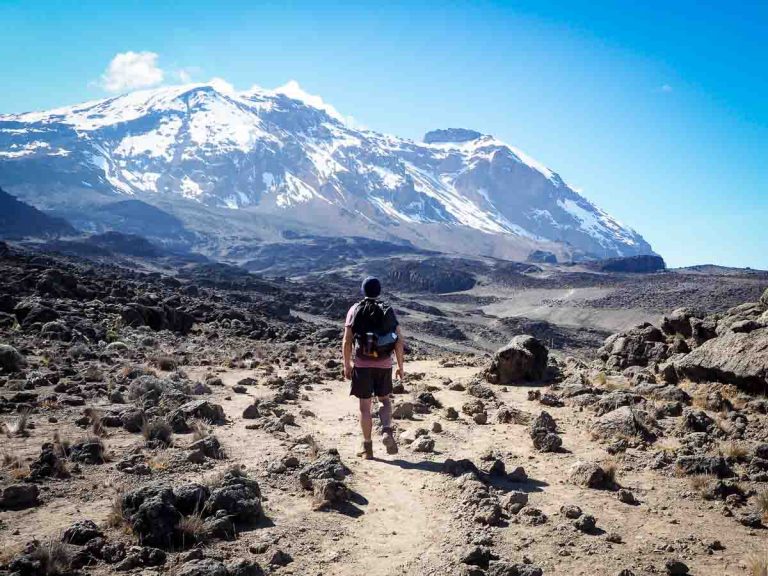
I’ve now hiked most (not quite all) of New Zealand’s Great Walks and, surprisingly, one of my favourites has been the Tongariro Northern Circuit – so much so that I’ve done it twice. Once clockwise, once anticlockwise.
Yes, the Northern Circuit is worth doing even if you’ve already walked the Alpine Crossing. I’ve learned better than to rank the Great Walks, but the Crossing is the spectacular centrepiece, but the good stuff around it is quieter: sleeping below Ngāuruhoe, crossing the Oturere desert, afternoons at the huts, and watching the mountain change colour once the day walkers have gone home.
For the 2026/27 season, though, it is technically not a circuit. Fire damage has closed the 9.4 km Ditch Track between Whakapapa and Mangatepopo, so the Great Walk runs 35.5 km one-way from Mangatepopo Carpark to Whakapapa Village. My pick is three days and two nights, staying at Oturere and Waihohonu.
Heads up: The route below is current for the 2026/27 Great Walk season. Start at Mangatepopo Carpark, finish at Whakapapa, and organise a shuttle because overnight parking at Mangatepopo is not allowed. Check the DOC Northern Circuit page before booking in case the fire closure changes.
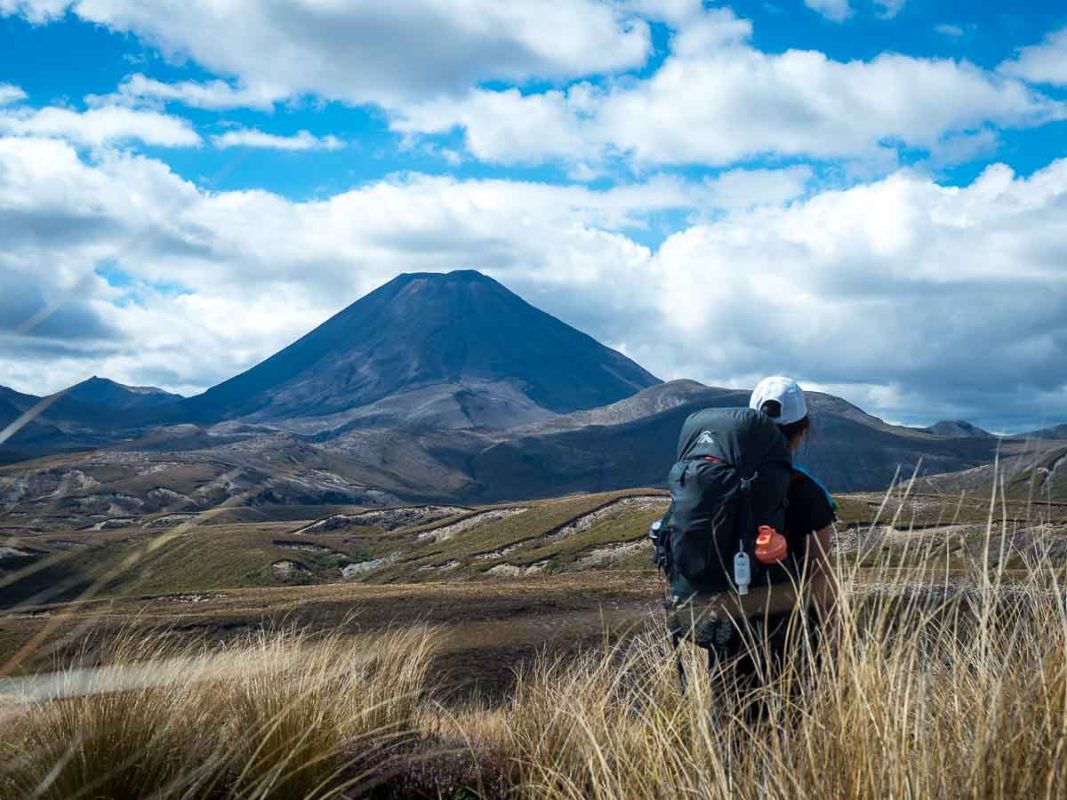
Table of Contents
The Best 2026/27 Northern Circuit Itinerary
Three days is the sweet spot while the damaged opening section remains closed. You still get both of the important hut nights, every good side quest, and enough time to enjoy them without turning the trip into an exercise in carrying food between very short walking days.
Four days is also valid, but day one is now only the 1.7 km, 25-minute stroll from Mangatepopo Carpark to Mangatepopo Hut. That works if you arrive late, have young walkers, or simply enjoy paying for a hut so close to the road you can still hear your shuttle leaving.
Very fit trampers can do it in two days, but the second day becomes at least eight hours from Oturere through to Whakapapa. You save a night and lose the slow Waihohonu afternoon, which was one of my favourite parts. I wouldn’t.
What Happened to the Full Circuit?
Both of my trips were on the original 44.9 km loop, starting and finishing at Whakapapa. The first section ran behind Chateau Tongariro (may it rest in peace) and onto the Mangatepopo Track, better known as the Ditch Track. It was the roughest and worst-kept part of the circuit – lots of erosion, awkward footing, and a walking pole was a big help. It gets better, I promise.
Fires in late 2025 damaged that section badly enough that DOC cannot reopen it for the 2026/27 season. So you now skip straight to Mangatepopo Carpark and walk the circuit as an arc. Once the Ditch Track reopens, my old four-day clockwise itinerary makes sense again: Whakapapa, Mangatepopo, Oturere, Waihohonu, Whakapapa.

A Brief Note on Tongariro
Tongariro, Ngāuruhoe and the surrounding waterways are culturally and spiritually significant to Ngāti Hikairo ki Tongariro and Ngāti Tūwharetoa. DOC describes Ngātoroirangi as the founding ancestor who named Tongariro and the surrounding landscape, establishing the connection his descendants maintain with this place today.
The practical version for walkers is simple: stay on the track, do not climb Tongariro or Ngāuruhoe, and do not touch or enter the lakes and waterways. I swam and sat in water on my earlier trips – those memories stay in this guide because they happened – but the current request is clear, and I would not do the same now.
Getting There for a One-Way Walk
For 2026/27, leave your car at Whakapapa and take a shuttle to Mangatepopo Carpark. Parking at Mangatepopo is limited to four hours during the Great Walk season, while overnight parking at Whakapapa needs a free permit from the visitor centre. Sort both before setting off; improvising a vehicle shuffle after three days of walking has limited charm.
One thing I didn’t realise until I met a couple of Americans who had done exactly this: you can get here by train! The Northern Explorer stops at Waimarino/National Park Village, around 15 km from Whakapapa, then you connect by shuttle. It is not the cheapest or fastest option, but it is much nicer than spending half a day watching State Highway 1.
Tip: Stay in National Park Village or Whakapapa the night before. It gives you breathing room if the train, traffic or weather misbehaves, and makes the early shuttle substantially less grim.
Day 1: Mangatepopo to Oturere Hut
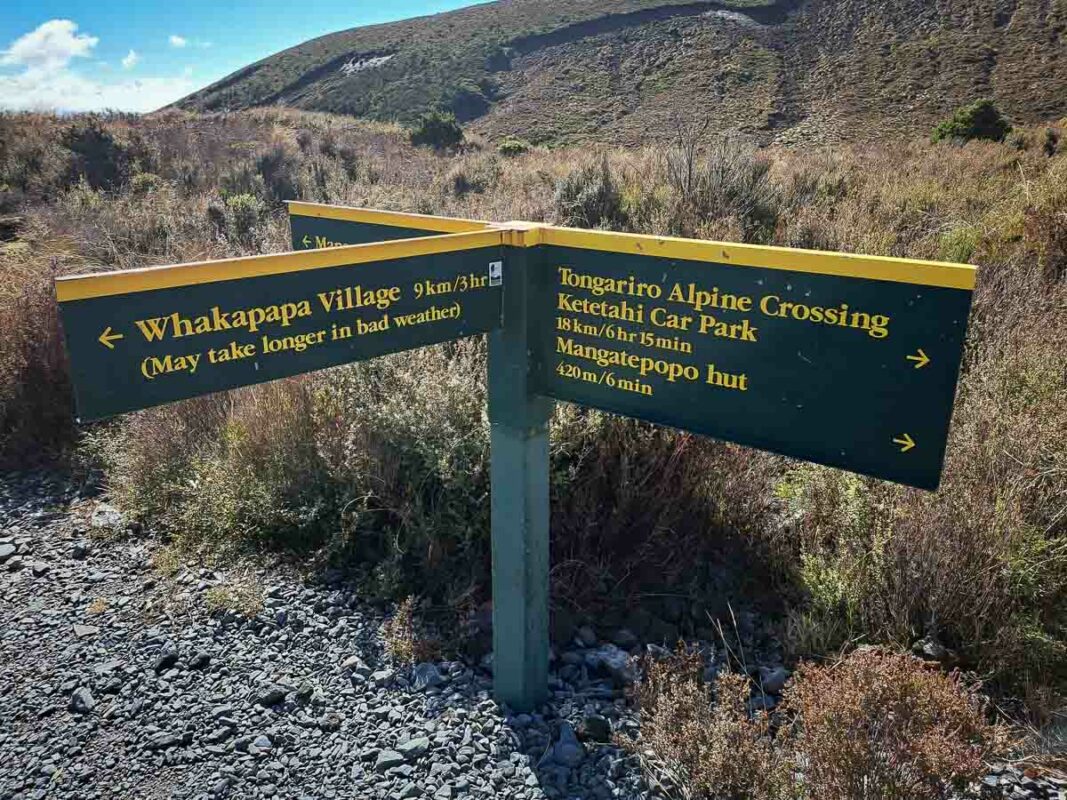
This is the hardest day, but also the day you came for. From Mangatepopo Carpark it is an easy 1.7 km to the hut, then the valley steadily tightens as old lava flows and Ngāuruhoe fill more of the view. Keep snacks, warm layers and rain gear near the top of your pack. Conditions up here can change every five minutes.
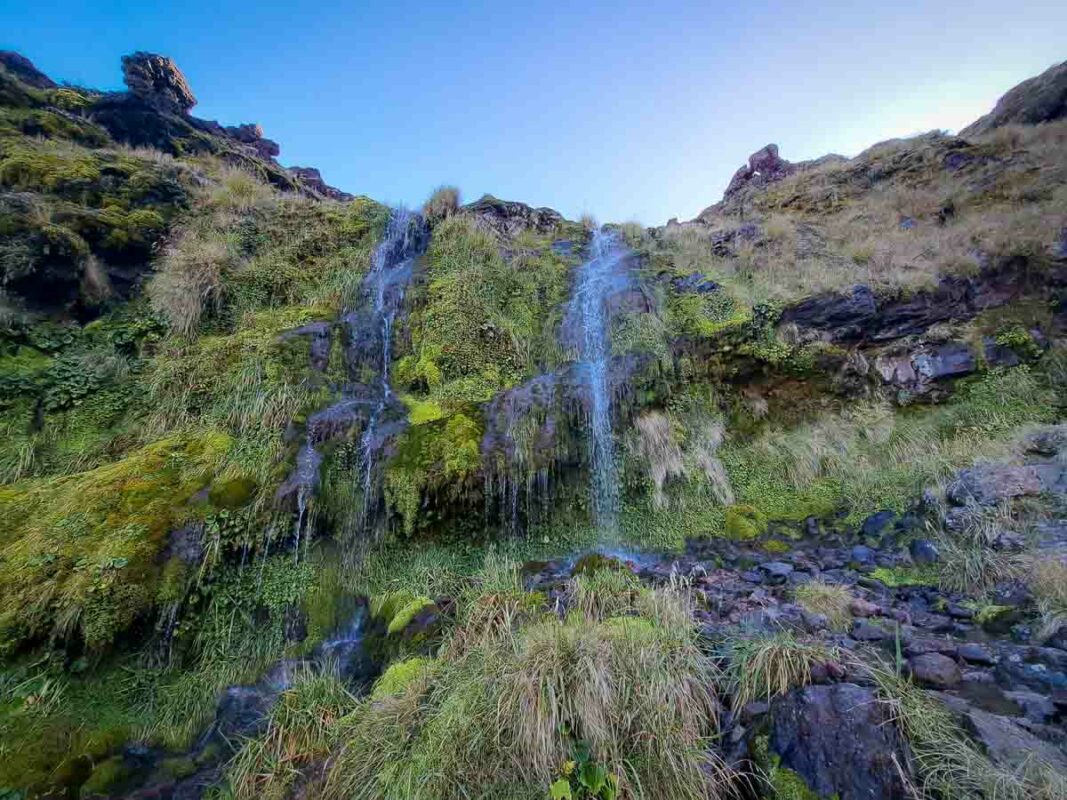
Soda Springs is a five-minute detour each way before the Devil’s Staircase. It is a small waterfall rather than some thundering alpine revelation, but it is a good excuse to stop before the 350 m climb to South Crater. Look, don’t rinse off or refill here now – it is one of the waterways visitors are asked to respect.
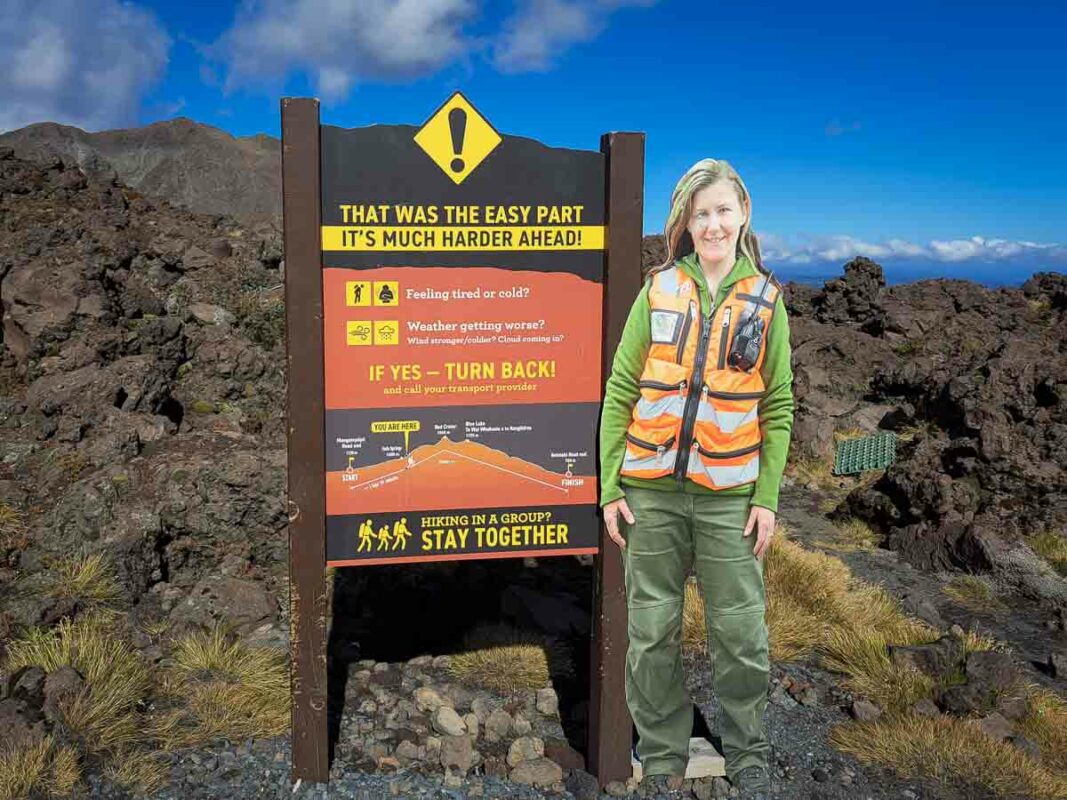
The Devil’s Staircase is sustained rather than technical. Red Crater is where things feel properly alpine: exposed wind, loose rock, and very little shelter. One of my photos from up here is basically cloud with legs in it, which tells you more about Tongariro than the postcard shots do. If the crossing is marked not recommended, take that seriously.


Do not add Ngāuruhoe or Tongariro summit side trips. The old tracks have been removed, Ngāti Tūwharetoa have asked people not to climb their sacred maunga, and the loose scoria is miserable anyway. You take two steps forward and slide back just as far, usually while somebody above sends a rock in your direction. There is no shortage of excellent walking on the actual route.
After Red Crater, the track drops steeply past the Emerald Lakes and into Oturere Valley. This descent is loose even when dry, with sharp stones skating over hard lava. Take your time. It is the section most likely to turn confident knees into a strange collection of independent parts.

Oturere Hut and the Sunset Side Quest
Oturere was my favourite hut stop on both versions of the circuit. The old hut was small and cosy, perched above a waterfall with the Rangipo Desert opening out below. In 2026 it is being replaced by a new 28-bed hut designed with Ngāti Hikairo ki Tongariro, including a separate shelter for campers.
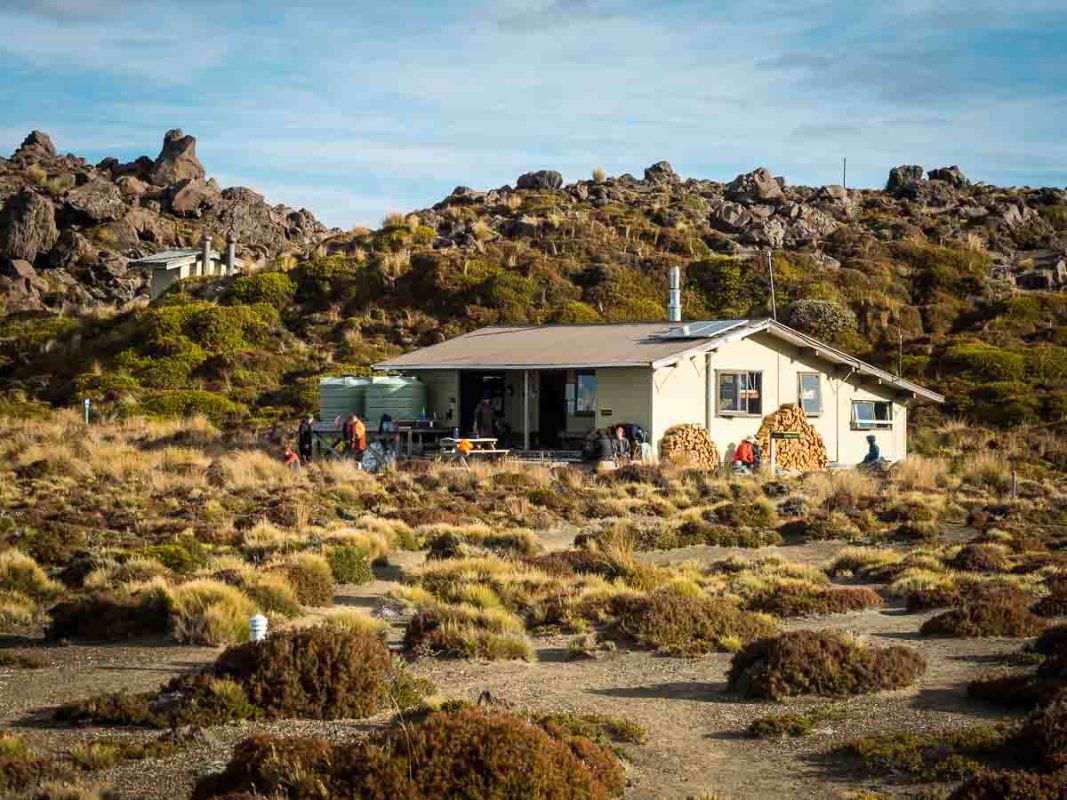
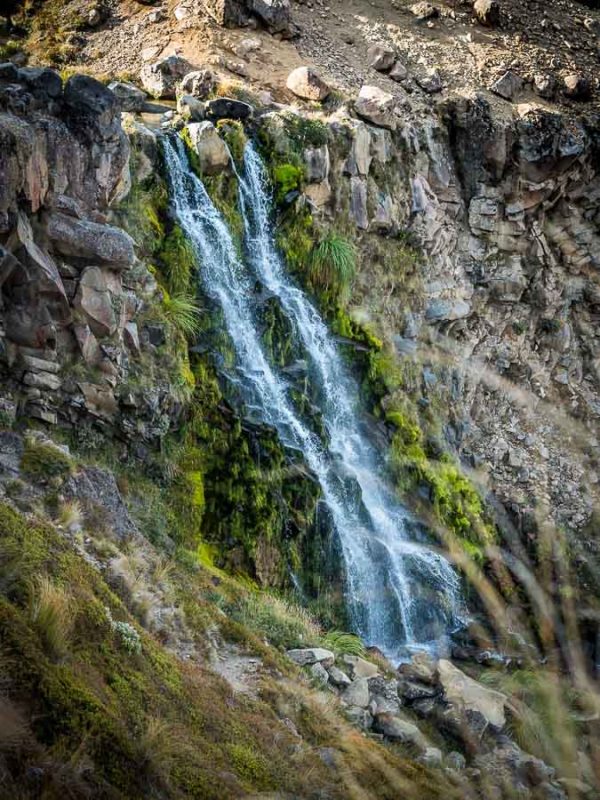
On my trip we took wine and chocolate over the ridge, sat in the natural infinity pools above Oturere Falls and watched the sunset. It was also a very effective bird bath after two hot, dusty days on the mountain. A properly good evening.
I would still take the wine and chocolate. I would now sit beside the water rather than in it, following the current request to keep out of waterways. The view has not gone anywhere.
Day 2: Oturere to Waihohonu Hut
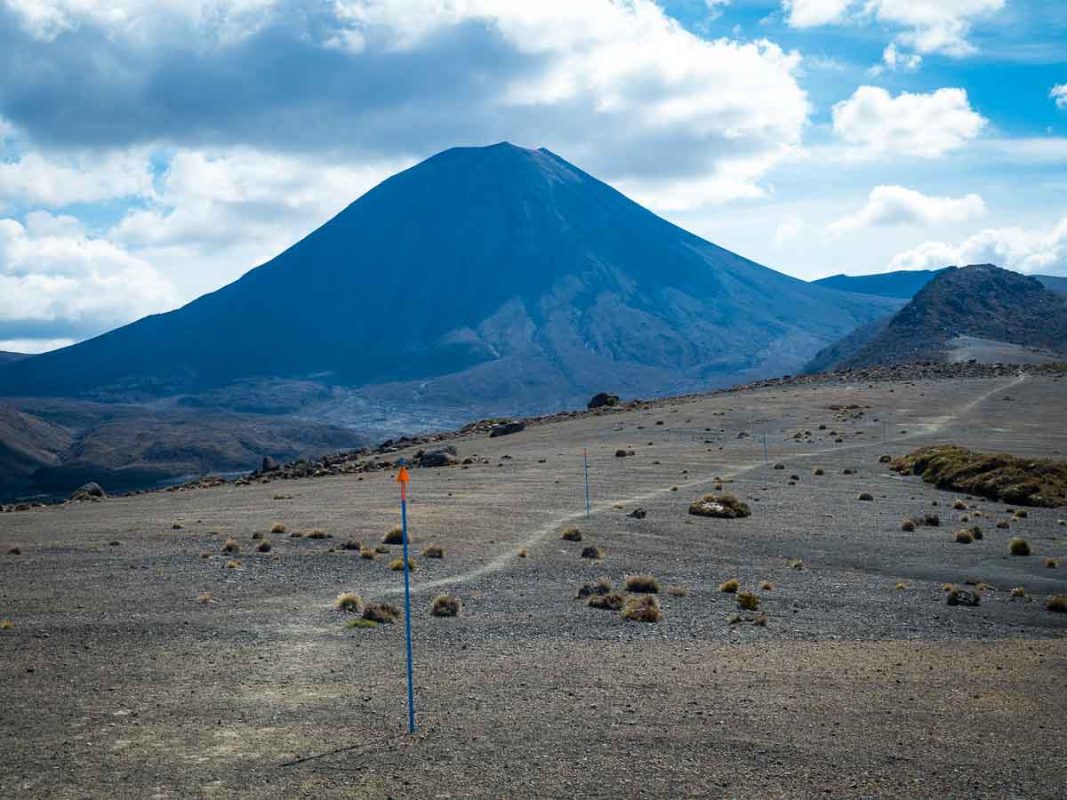
This is the easiest day: 8.1 km and around three hours. The trail rolls over open gravel, crosses small valleys beneath Ngāuruhoe, then suddenly drops into beech forest before climbing to Waihohonu. There is enough variation that it never feels like a filler stage, but you will reach the hut with most of the afternoon intact.
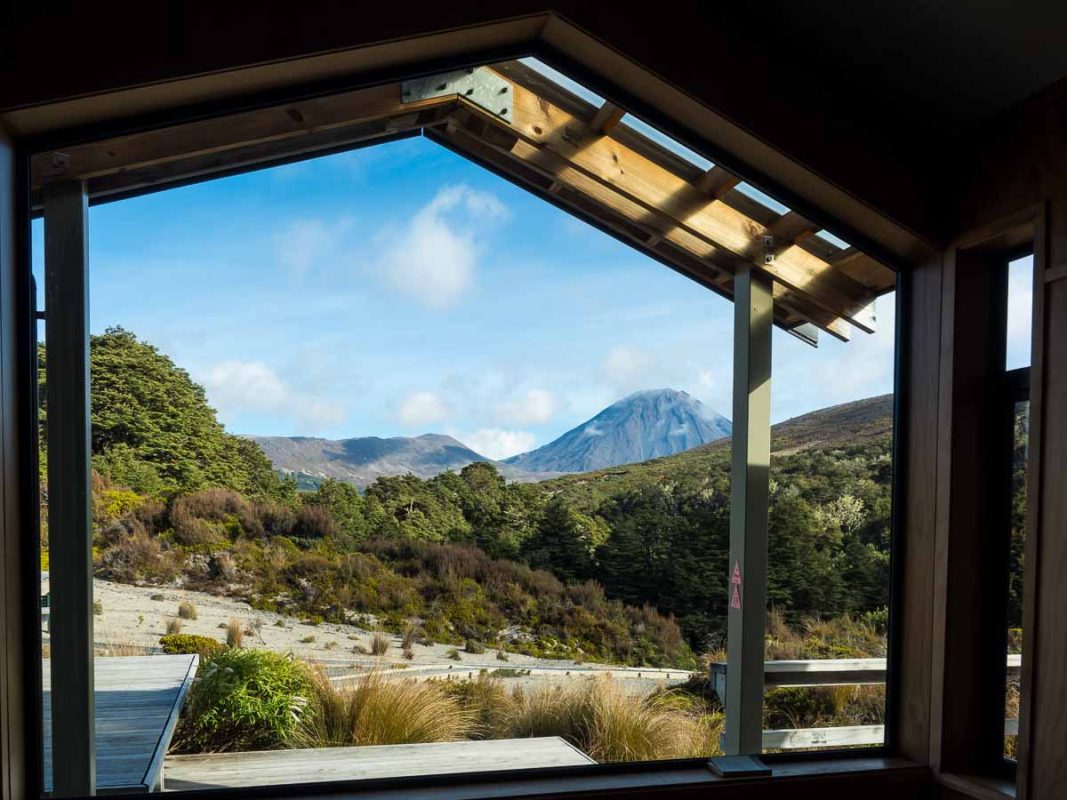
Waihohonu is the large, modern hut of the three, with 28 bunks and a big communal space. On my trip I had a quick swim in the stream, ate lunch, then put the hiking shoes back on for Ohinepango Springs. Again: a genuine memory, but not current advice. Keep out of the water now.
I called it Waihohonu 3 because the historic 1904 hut was the first, a replacement arrived in 1968, and the current hut opened in 2010. This is information you absolutely do not need to complete the walk, but it made the side trip to hut number one feel oddly satisfying.

Ohinepango Springs and Historic Waihohonu Hut
Ohinepango Springs is about one hour return from the hut. Some of the clearest water you’ll ever see bubbles from beneath an old lava flow – the stream simply appears from underground. It is beautiful, slightly strange, and absolutely not a swimming hole.

The historic Waihohonu Hut is the easier side trip, around 20 minutes return. Built in 1903/04, it was the first hut in Tongariro National Park and still has its original two-room layout. You have the whole afternoon. Do both.

Day 3: Waihohonu to Whakapapa
The final day is the longest at 15.4 km, but the walking is generally easier than day one. You climb gradually towards Tama Saddle, cross open country between Ngāuruhoe and Ruapehu, then join the busy Taranaki Falls tracks for the final run into Whakapapa. Expect around five hours before side trips.
This is also the day I forgot my rain jacket and got wrecked when the weather turned. The forecast had looked fine. The mountain did not care. Pack waterproofs somewhere you can reach without emptying your whole bag into the tussock.
Tama Lakes
Lower Tama is only around 20 minutes return from the junction; Upper Tama adds roughly 1.5 hours and a steep ridge. If the weather is good, I definitely recommend going to the upper lake. You get a huge view back across where you’ve just spent three days, which is a much better ending than simply following the signs to the carpark.

So, How Hard Is the Northern Circuit?
Over three or four days in summer, the Northern Circuit is moderate rather than brutal. The distance is manageable, the route is marked, and the huts remove the need to carry a tent or stove during the Great Walk season. Day one over Red Crater is the serious bit. The rest is mostly the ordinary fatigue of walking with a pack.
What makes it difficult is weather and exposure, not the total kilometres. There is nowhere to hide across South Crater or Tama Saddle, and the volcanic surface is loose underfoot. A sunny forecast at Whakapapa does not guarantee a pleasant Red Crater. Be willing to turn around.
Two days is hard because you compress the easy stages into long pack-carrying days. Winter is a different activity entirely: snow, ice, avalanche terrain, crampons, ice axe and navigation skills. If those words sound like a shopping list rather than tools you know how to use, walk between 23 October and 30 April.
Huts, Fees and Booking
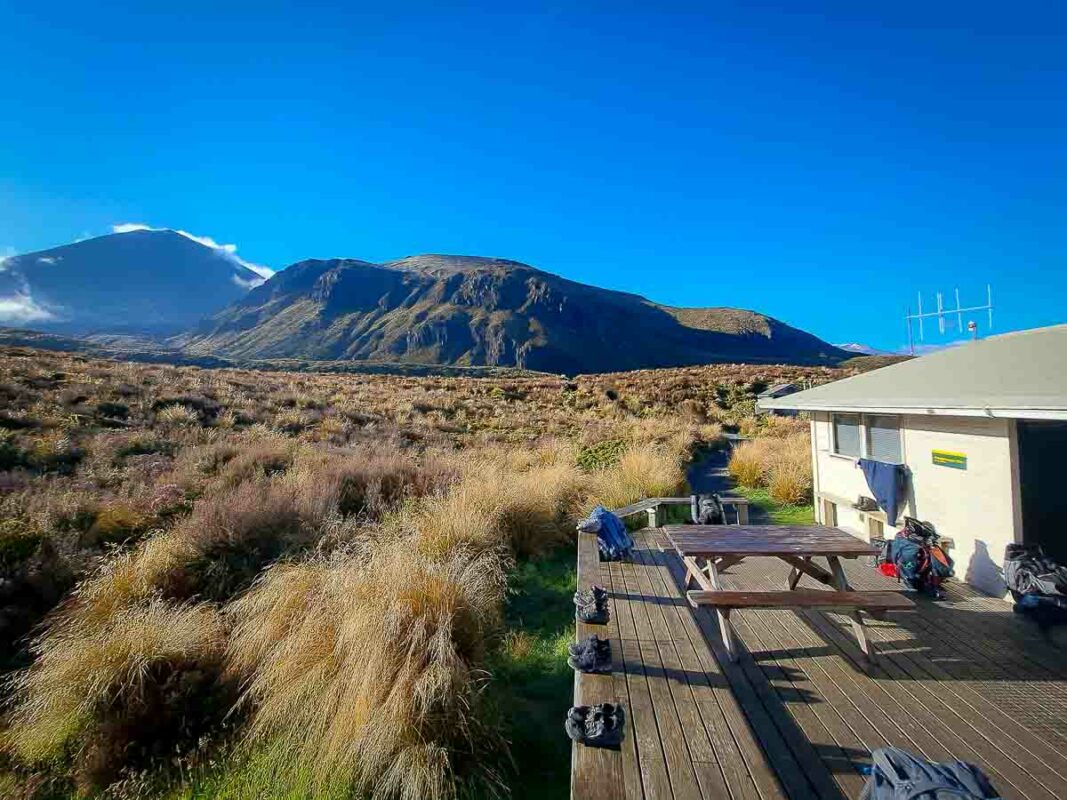
Bookings are required year-round and are already open for 2026/27 through the DOC booking system. During the Great Walk season the huts have mattresses, heating, gas cooking, solar lighting, toilets and untreated cold water. There are no showers, food or cooking utensils.
The old Oturere Hut in my photos is not the hut you will stay in. That is worth repeating because there will be older guides all over the internet describing a 26-bed 1970 hut that no longer represents the experience.
What I Would Actually Pack
You do not need another generic 47-item packing list. Bring the normal multi-day tramping kit, then pay attention to the things that made a difference on my two trips.
I carried an Osprey Atmos 65L pack, wore Altra Lone Peaks the first time and robust hiking jandals the second. These days I lean towards trail shoes over heavy boots, but use whatever you trust on loose volcanic rock. Black Diamond walking poles help on the Red Crater descent and would have made the old eroded Ditch Track substantially less annoying.
Bring proper waterproofs, warm layers, sunscreen and a sleeping bag that can handle a cold alpine night. Then add three less official items: a cheap single fitted sheet from Kmart, a pack of cards, and a little wine. Make friends at the huts, play cards, and take the short afternoons seriously. The sheet turns a vinyl hut mattress into something approaching civilisation instead of getting stuck to you in glue made from your own sweat at 2am.
Take a Black Diamond Spot headlamp even in summer, carry emergency food, and consider a PLB. Mobile reception varies and is generally poor around Waihohonu. Check the NIWA Tongariro forecast the night before and again before leaving.
What I Would Do
For 2026/27, I would stay in National Park Village the night before, leave the car at Whakapapa, shuttle to Mangatepopo, then walk three days via Oturere and Waihohonu. Take every side quest the weather allows. There is enough spare afternoon time to enjoy the huts rather than arriving, eating and immediately disappearing into a sleeping bag.
If you are coming from overseas, a car makes the wider central North Island much easier before and after the walk – especially if Ruapehu, Taupo or the Forgotten World Highway are next. You can compare rental cars here, but still use the shuttle for the actual one-way track.
And when the Ditch Track finally reopens? Walk the full loop clockwise. I’ve done it both ways, and going with the Crossing traffic rather than fighting uphill through the scree is reason enough. More importantly, give it the time. Being able to sleep on the mountainside and watch the sunrises and sunsets is exactly why the circuit is better than simply ticking off the Alpine Crossing.
What to Do After the Northern Circuit
Do not automatically drive away the moment you collect your car. Whakapapa has enough short walks and good food to turn the finish into another evening, while Ruapehu, Ohakune and Tūrangi give you several sensible directions for the next day.
Heading south to Ohakune? Give your legs a different job on the 15 km Old Coach Road – cycle it one-way from Horopito if possible – then get breakfast or lunch at Utopia Cafe. Ohakune is the better choice if you want another active day around Ruapehu rather than immediately retreating to a hot pool.
Tip: Heading north to Tūrangi? This is the recovery option. Soak at Tokaanu Thermal Pools, do the short thermal walk next door, then eat at Anglers’ Table – the new cafe in the old Creel Cafe site. Hot water and a proper lunch is a very convincing argument after three days of hut mattresses.
New Zealand Travel Planning Cheatsheet
🚑 Should I buy travel insurance for New Zealand?
100% YES! — New Zealand has “free” healthcare but it’s only for citizens. Tourists need travel insurance in case anything happens on your visit. Also be aware many policies won’t cover hiking as it’s a high risk activity! (that’s right, check the t&c’s on your complimentary credit card insurance)
I highly recommend World Nomads as you can get specific add-ons for the crazy activities you’re doing – and starts at just $7 a day!
🚙 Do you need to rent a car in New Zealand?
I’d reccommend it — Renting a car isn’t a necessity to get around in NZ with plenty of domestical flights and intercity busses. But, If you want to go on road trips or adventures outside of the major cities, you’ll need to rent a car. I always use Discover Cars for my rental bookings (it’s like Skyscanner for cars!) as they compare all availible providers for the best price.
Better yet, rent a van! This is the most cost effective way to see Aotearoa as you’re getting your transport and accomodation together as one! (Checkout my reccommended van rentals here)
📲 Will my phone work in New Zealand?
You’ll need to get a local SIM card when in New Zealand, which is super easy and doesn’t require ID. Spark generally has the best coverage and you can get pre-paid plans for around $30 for 30 days.
Alternativly – I now always use Airalo when travelling. This app generates an eSIM that will work the moment you touch down. It costs slightly more than a local SIM but the convenience is well worth it. You can signup here
💸How do you pay for thing in New Zealand?
Cash has gone out of fashion in New Zealand, so you’ll be able to pay for almost everything with EFTPOS / Debit / Credit Card. Paywave (contactless payments) is very common, but vendors who accept American Express cards are not (so bring a backup!).
I personally use Wise for all my international money needs as they only convert the funds when you may payment and offer a much better spread (margin on the true exhange rate) than the banks do. They also provide free deibit cards for your account!
🏩 What’s the best way to book my New Zealand accommodation?
My go-to for Kiwi hotels is Booking.com. For hostels, I use Hostel World. If you want a home-y feeling, check out AirBnB.. but don’t expect prices to be that much cheaper than hotels.
✈️ What’s the best site to buy flights to New Zealand?
For finding cheap flights, I recommend Skyscanner. Once you find the flight you’re looking for, I’d then suggest booking directly with the carrier (even if it costs a few $$ more than with one of the agreggators/agencies).
💧Can you drink the water in New Zealand?
Yes — everywhere in New Zealand you can drink the tap water. If you’re out hiking you can even drink the water from mountainous rivers and streams. I recommend a Brita Water Bottle and a packet of water purificiation tablets for long hikes and backcountry camping.
🎫 Do I need a visa for New Zealand?
NZ has a ‘traditional visa’ which is a document stamped in your passport allowing you to enter and stay in New Zealand for a specified period, while an “NZeTA” (New Zealand Electronic Travel Authority) is a travel authorization that allows certain passport holders to visit New Zealand without needing a separate visa – essentially a visa waiver for eligible travelers; meaning you need a full NZ visa if you don’t qualify for an NZeTA based on your passport and travel intentions.