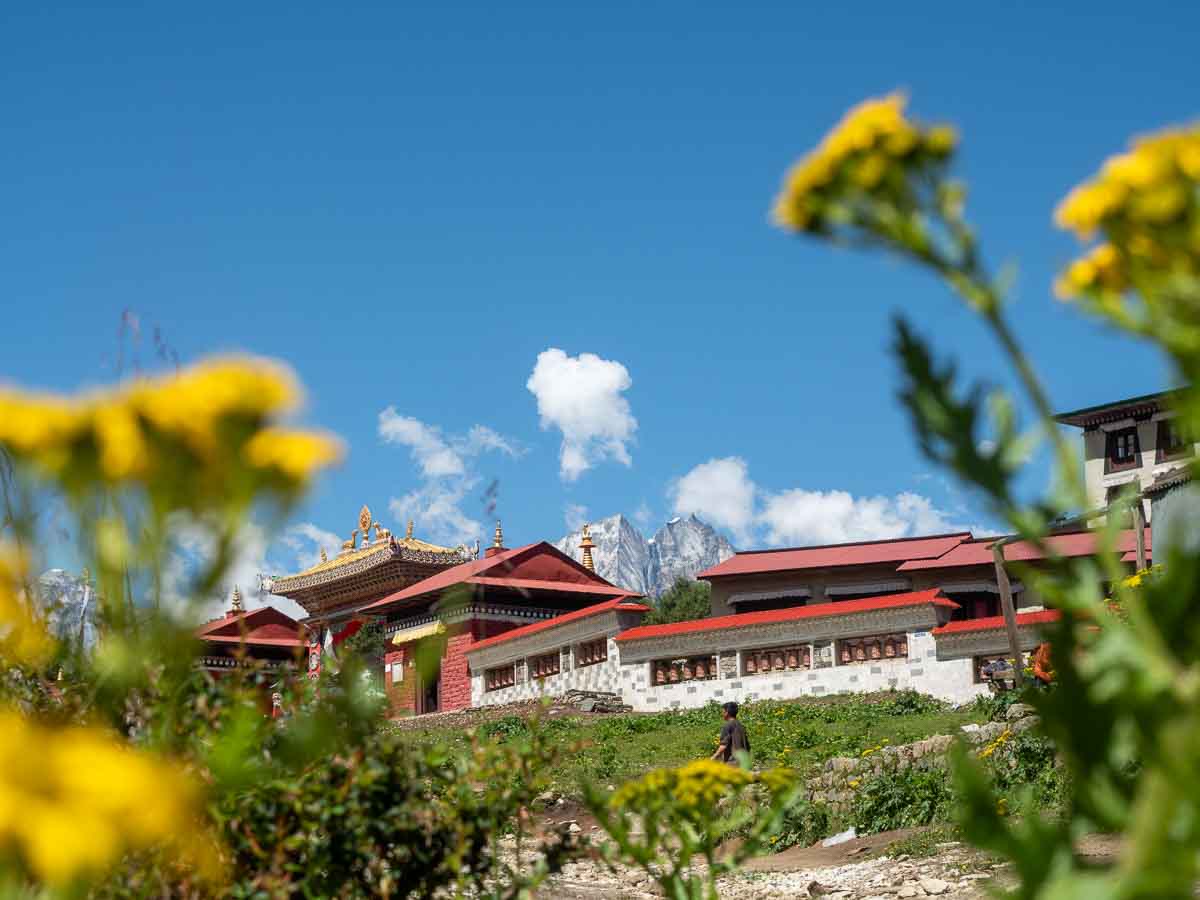
Everest Base Camp in July | Is Trekking In Off Season Worth It?

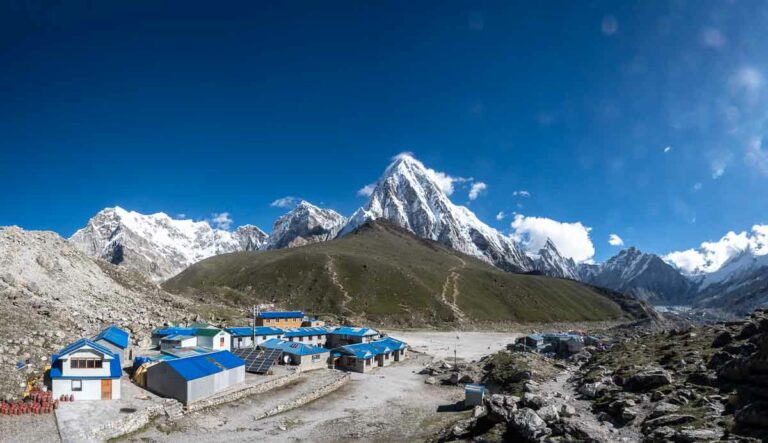
When people think of trekking to Everest Base Camp, they often imagine the peak seasons of spring and autumn. But, I decided to take Everest Base Camp in July, during the off-season, a time many travelers shy away from because of the monsoon rains and supposedly unpredictable weather.
In busy season, the trek will see over 900 visitors each day, whereas in off-season, Everest Base Camp gets less than 10!
Was it worth it? We got lucky. Our flight to lukla went on schedule, and we had very little rain during the trek. The warm weather meant most days we could wear shorts and a singlet. However, there were a bunch of draw backs too..
Let me explain.
Key Takeaways
Table of Contents


Why Consider Off-Season Trekking
During the peak season, you’ll be sharing the trail with hundreds of other trekkers every single day. But in July, the trail can be eerily quiet.
Instead of hundreds of hikers making the trek from Lukla to Base Camp, there were maybe 10 or 20 other people on the same journey.
It felt like I was part of a special club.
If you’re like me and enjoy a bit of quiet, this is one of the best times to go. There’s something deeply peaceful about standing on a ridge overlooking valleys, without the sound of chatter or footsteps around you. You’re just… there, in the moment. It’s the kind of peace you can’t always get when trekking during peak season.
The Risks of Trekking EBC in July

The Weather
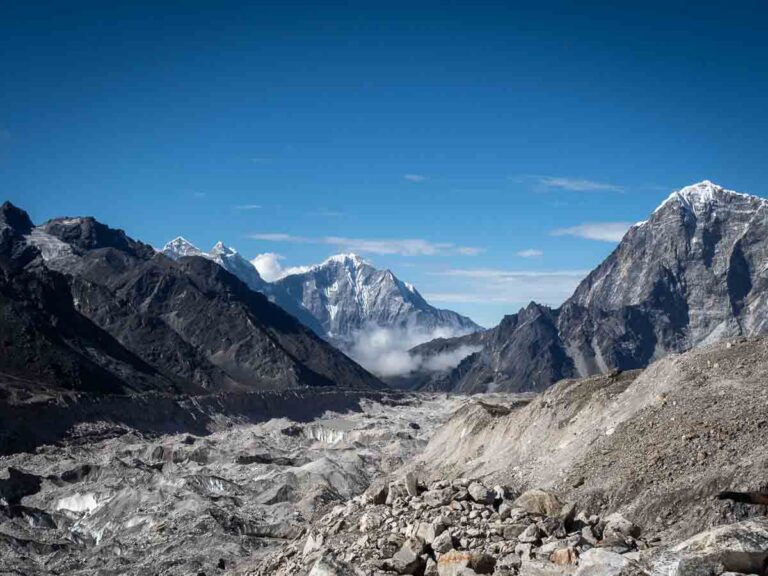
Now, I won’t sugarcoat this part: this time of the year is monsoon season in Nepal. This means rain, mud, and clouds that can obscure those jaw-dropping mountain views. During my trek, the mornings were often clear, with beautiful views of snow-capped peaks. But by the afternoon, clouds would roll in, and the rain would start. Sometimes it was a light drizzle, other times it was a downpour. It didn’t matter though, as by this time we were always safely at our next tea house, playing cards, eating Dhal, and chilling before the next days hiking.
That being said, I found the weather wasn’t nearly as bad as I had feared. If you’re well-prepared with good waterproof gear—a solid rain jacket, trekking boots, and gaiters—you’ll be fine.
Tip: We quickly realised it was best to set off early (around 7am). The weather would be crystal clear and the views 10/10. As afternoon rolled around the clouds would roll in.
Flight Delays
Lukla airport is already known for its weather-related delays, but expect these delays to be more frequent. We were lucky, and managed to get both our flights uninterrupted, but we also met people who had to wait two days for the clouds to clear before my flight could take off.
I recommend building in a few buffer days to your schedule. You don’t want to miss your international flight because you’re stuck in Lukla!
The Benefits of Trekking Everest Base Camp in July

Despite the risks, there are some amazing perks that come with trekking this time of the year.
Wildlife
The monsoon season is when the wildlife comes out in full force. I was lucky enough to spot several types of birds, including the beautiful Danphe (Nepal’s national bird), which I wouldn’t have seen if I’d gone in a busier month.
Lush Scenery
Wildflowers blooming on the trail made up for the occasional lack of mountain views. And when those views did appear – usually in the morning or after a rainstorm – it felt like a reward, something earned after trekking through the mist and rain.
Budget-Friendly
You’ll save money not only on the tour package but also on accommodation and food. Prices are much more reasonable. The cost of flights remains more or less the same, but tour package prices tend to drop.
You’ll find that many companies offer discounted rates, often by as much as 20-30%. I was able to score a fantastic deal on my tour package because the company was eager to fill their off-season spots.
Finding the Right Tour Company
When choosing a tour company, find one that has experience with monsoon trekking. Not every guide is well-versed in the challenges of the rainy season. My guide, for instance, had done the trek countless times, and he knew when we should push forward and when we should wait for the weather to clear. His expertise made a huge difference.
Experience with Monsoon Trekking
You’re already on the right track by seeking a company experienced with monsoon trekking. But how do you know if they really are? Here’s what to look for:
- Ask About Specific Off-Season Experience: Don’t just rely on a company’s claim that they offer treks year-round. Ask them directly about their experience during the specific season. How many treks have they led in July or August? What challenges did they face, and how did they overcome them?
- Check Reviews: Platforms like TripAdvisor or trekking forums can give you an insight into how well a company handles off-season treks. Look for reviews specifically from people who trekked during the monsoon season. Did they mention weather issues? How did the company handle flight delays or trail conditions?
The guide is your most important resource on the trek, especially when dealing with weather changes and trail conditions. Here’s what to check:
- Knowledge of Alternate Routes: Sometimes trails can get blocked because of landslides or flooding. An experienced guide will know alternate routes or safe detours that can keep your trek on track.
- Flexibility with Itinerary: Since the weather can delay flights and change trekking plans quickly, make sure your company is flexible. A good trekking company will allow for adjustments without extra costs and will ensure your safety remains a top priority.
- Local Expertise: Guides who have grown up in the region or have spent many years working in the area are more likely to have intimate knowledge of the trails, weather patterns, and local accommodations. This expertise is especially valuable when quick decision-making and adjustments might be needed.
As mentioned earlier, i went with Nepal Hiking Team and couldn’t recommend them enough.
Safety Protocols
Look for companies that prioritize safety by:
- Carrying Proper Equipment: Ask about the safety equipment they carry. Do they provide trekking poles, medical kits, and oxygen cylinders if needed? Companies focused on safety will be well-prepared for altitude sickness, injuries, and emergencies.
- Helicopter Rescue Options: The likelihood of needing a helicopter rescue can increase because of unpredictable weather or landslides. Ensure that your trekking company has clear protocols and partnerships with rescue services.
Is It Worth It?

As much as I loved the solitude, there were days when I wished I had more company on the trail. There’s a certain camaraderie that comes with trekking in the high season, where you meet other travelers at the tea houses and exchange stories. So it did get a bit lonely at times.
The rain, while not unbearable, was still an inconvenience. There were days when it felt like everything was damp, and my gear, no matter how waterproof, was never fully dry. I missed the crisp, clear skies of the autumn months, and those unobstructed mountain views that everyone talks about.
So, is trekking to Everest Base Camp in July worth it? For me, the answer is yes, but it depends on what you’re looking for. If you’re someone who thrives in solitude, doesn’t mind a bit of rain, and enjoys lush, vibrant landscapes, then July could be the perfect time for you to tackle this iconic trek.
But, if you want guaranteed mountain views, prefer dry trails, and enjoy meeting fellow trekkers along the way, you might be better off waiting for the peak season.
Nepal Trekking Cheatsheet
🚑 Should I buy travel insurance for Nepal?
100% YES! — Nepal has now introduceed “free” healthcare but it’s only for citizens! Tourists need travel insurance in case anything happens on your visit. Also be aware many policies won’t cover high altitude hiking as it’s a high risk activity!
(that’s right, check the t&c’s on your complimentary credit card insurance)
I highly recommend World Nomads as you can get specific add-ons for high altitude hiking UP TO 6000m (Which most travel insurance companies don’t offer!)
🎫 Do I need a visa for Nepal?
Probably not — Nepal now provide a visa on arrival (VoA) for most western countires which allows you stay for up to 90 days. However, some other countries do need a pre-approved eVisa (check here!). A single entry 15 day Nepal tourist visa costs USD$30, a 30 day visa costs $50 and a 90 day visa costs $125.
When paying for your visa at the airport, you’ll need either USD or NPR cash.. or a debit card capable of this transaction. For some reason they don’t accept credit cards.
💉Do I need any vaccinations for Nepal?
YES! Make sure you are up-to-date with all your vaccines. Common travel vaccines include Hep A/B + Typhoid, and Diphtheria + Tetanus.
Rabies is an issue in Nepal but the vaccine is expensive and ineffective as a preventative measure (it only lasts a few years and you’ll need to get them again if you require treatment). If bitten by a stray dog seek immediate medical attention! There is however, a rebies vaccination program in the Khumbu region (Everst) so chances of infection are low.
As always, talk to your GP or specialised travel doctor a few weeks BEFORE you leave.
🏩 What’s the best Nepal Trekking companies?
I personally had an amazing excperience with Nepal Hiking Team.
You can read all the operators i reccommend in this article
💸How do you pay for things in Nepal?
Cash is king in Nepal, so you’ll want to get some folding tender out from an ATM when you land. Larger businesses and hotels will take Debit / Credit Card but most resturants, and street vendors want cash.
When trekking, ATMs are few and far between so dont get stuck without cash
I personally use a Wise debit card for all my international money needs as they only convert the funds when you make payment, plus they offer a much better spread (margin on the true exhange rate) than the banks do. They work in all the Nepalese ATMs I tried.
🚌 What’s the public transport like in Nepal?
There is a good basic network of local and inter-city busses in Nepal and travel this way is very cheap. Domestic flight are also very affordable and a far more comfortable option. Checkout Bussewa for booking bus tickets online.
📲 How do I get internet/data/wifi in Nepal and while trekking?
This one needs a whole nother article, but the short version is prepaid SIM cards are cheap and availible to tourists and locals alike (You don’t need a pricey tourst SIM!)
I got an Ncell SIM card from a vendor in Thamel, Kathmandu for around $10 and this lasted me my whole trip.
NB: Make sure to bring your passport!
Another option is an Airalo eSIM. This is a little more expensive but works from the moment you land is is SOOOOO much easier than the in person verification process required for a local sim.
✈️ What’s the best site to buy flights to Nepal?
For finding cheap flights, I recommend Skyscanner. Once you find the flight you’re looking for, I’d then suggest booking directly with the carrier (even if it costs a few $$ more than with one of the agreggators/agencies).
💧Can you drink the water in Nepal?
Safest not to — tap water in Nepal may be OK (the locals drink it) but is generally untreated and not reccommended for tourists. Purchase bottled water for drinking and teeth brushing, or get water purification tablets.
🏔️💧Can you drink the water while trekking in Nepal?
Yes — but make sure to purify it first. I always use these Aquatabs
There are lots of taps and water sources along the trek. (your guide will show you). And buying bottled water in the mountains is extremely expensive. If you want to drink water from the rivers and streams you generally can but ALWAYS follow best practice and drink from fast flowing water as far up stream as possible. I’d also recommend a Brita Water Bottle for rehydrating on the trail safely.