

Camping the Kumano Kodo: Campsites, Costs and Route

I nearly camped the Kumano Kodo.
We were quite last minute with our booking, so for a while it looked like campsites might be our only option. Luckily, a last minute (by Kumano Travel’s standards) reservation came through and we ended up in guesthouses.
And I say luckily because staying at the little family-run minshuku was probably the best part of the whole walk. Huge dinners, hot baths, a futon at the end of the day.. camping suddenly looked a little less romantic.
But yes, you can camp the Kumano Kodo. You need to stick to the designated campgrounds, carry your own shelter and food, and book a normal room at either end of the trail.
Just to be totally clear: I walked the full Nakahechi, researched the campsites because I thought I was about to need them, and swam at the Koguchi campground. I did not actually sleep in a tent. This is the camping plan I would use, not a review of a tent I never slept in.
Table of Contents
The Short Version
The campsites actually line up reasonably well. Stay in Kii-Tanabe, then camp at Iris Park near Chikatsuyu, Kawayu or Otonashi around Hongu, and Koguchi before the final climb to Nachi. Finish with another real bed in Kii-Katsuura.
It is cheap, but not wildly flexible. Iris Park prefers reservations, Kawayu and Koguchi are first-come-first-served, food can be hard to find and there is nowhere legal to camp at either end. You still need a plan.
Can You Wild Camp on the Kumano Kodo?
Heads up: Free camping is prohibited along the UNESCO-listed Nakahechi and in the neighbouring towns, on both public and private land. Use an established campground. Ground fires are also banned along the trail.
The official camping guidance is very clear: no tent beside an oji shrine, no sneaky night in the forest and no camping in a village park. The trail passes through private land and small communities, so this is one rule I wouldn’t try to get clever with.
Most of the campgrounds expect cash and there may not be much English at check-in. Save the name and address in Japanese, know when reception closes and you will be fine.
Arrival: Stay in Kii-Tanabe
Your first night needs to be in Kii-Tanabe. There is no campground in town, and this is where you want to buy your stove fuel and most of the food you couldn’t bring on the plane.
Stay somewhere near the station. The bus to Takijiri-oji leaves from out front, and the first walking day is already six to eight hours. There is no prize for adding a cross-town march before breakfast.
Book a simple Kii-Tanabe room on Booking.com, ideally within walking distance of the station. You can leave unrelated luggage at the tourist information centre or send it by Yamato to a booked hotel in Kii-Katsuura.
Day 1: Takijiri-oji to Iris Park
It is roughly 14 km from Takijiri-oji to Chikatsuyu, then another 700 metres out to Iris Park. The climb begins almost immediately, passes through Takahara and rolls through the forest before dropping into the village.
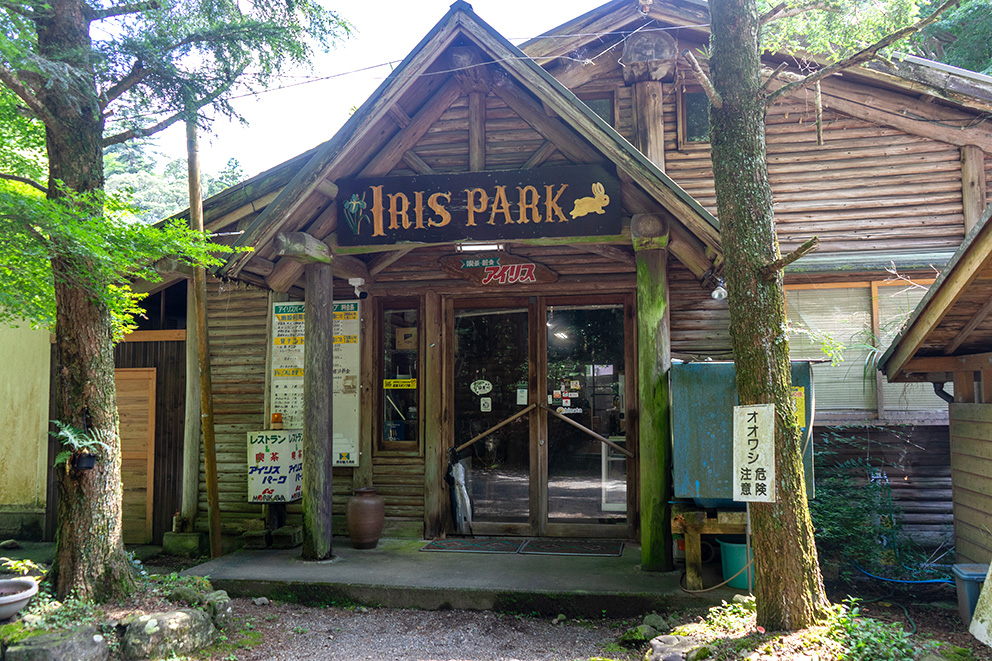
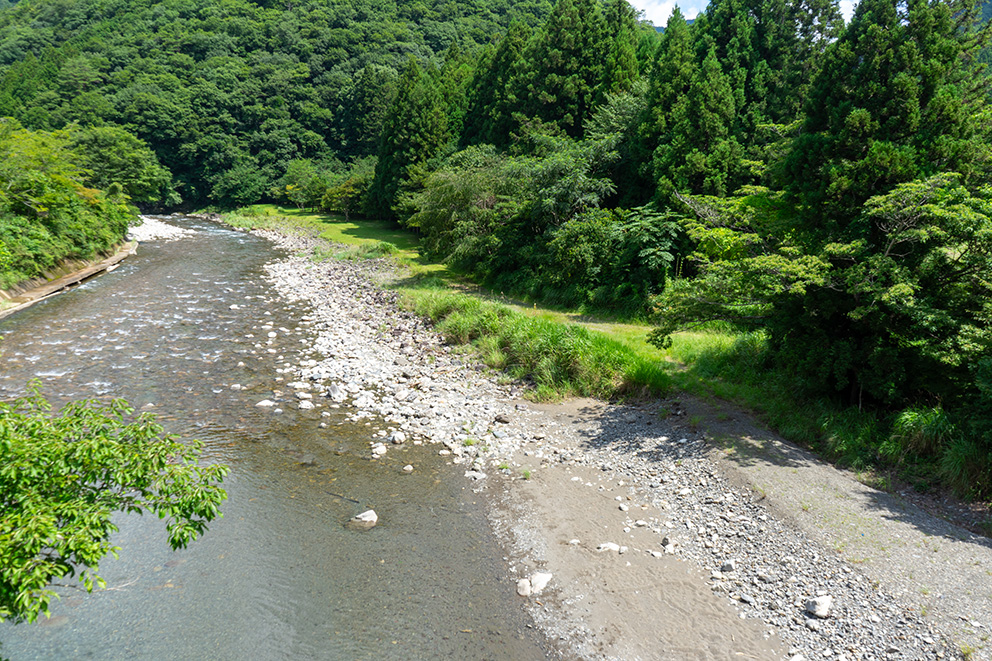
Photos: Tanabe City Kumano Tourism Bureau.
Iris Park Auto Camp is where you will be sleeping. A solo walker with a tent pays JPY 2,300 (about USD $15), including the entrance fee and pitch. The onsen bath is included too, which is pretty good value after carrying a tent over that first climb.
The awkward bit is booking. Iris Park asks campers to call ahead, in Japanese, and it can fill over Golden Week. Closures vary too. There is no tent rental and no Wi-Fi, although basic cooking gear, sleeping bags and blankets may be available to rent.
Tip: Buy dinner and the next day’s trail food at the A-Coop in Chikatsuyu before walking out to camp. Do not arrive assuming the campground has quietly become a supermarket.
Day 2: Chikatsuyu to the Hongu Area

Chikatsuyu to Hongu is about 25 km and took enough effort with a light pack. With a tent, sleeping bag and food on your back, this is going to be a long day. The official estimate is nine to twelve hours, so get moving early.
The walk finishes at Kumano Hongu Taisha, but neither campground is actually there. You need to jump on a local bus to Kawayu Onsen or Wataze Onsen. Easy enough, but worth knowing before you get there.
The reservation system is mixed: Iris Park wants an advance phone booking, Kawayu cannot be reserved, Otonashi has both drop-in and reserved areas, and Koguchi tent sites are first-come-first-served. Check each stop separately before treating the route as confirmed.
Tanabe Kawayu Campground
For JPY 1,200 (about USD $8), Tanabe Kawayu Campground is almost absurdly cheap. It is first-come-first-served and cannot be reserved, which will either sound wonderfully simple or mildly terrifying. There are grass and riverside sites, toilets, cold-water sinks and vending machines, but no shower or bath on site.
But you’re in Kawayu. The public bath is about ten minutes away, and in warmer weather you can swim in the river. In winter the huge Sennin-buro river bath normally operates when conditions allow. I wouldn’t be losing sleep over the missing shower block.
Otonashi-no-Sato

Otonashi-no-Sato is a little more set up for people who want facilities. A walker using the unreserved drop-in area pays JPY 1,800 (about USD $11), including the onsen and facility charges. Reserved plots cost extra.
There are cooking areas, toilets, a small shop, rental equipment and a proper onsen centre. After walking 25 km, I would happily spend the extra JPY 600 for the easier evening.
Day 3: Ukegawa to Koguchi Campground

A much nicer day.
Take the bus back toward Hongu and start walking at Ukegawa, then follow Kogumotori-goe for about 13 km to Koguchi. Allow five to six hours. There is one proper climb, then a long descent to the Akagi River.
Koguchi Campground now lists tent pitches from JPY 3,800 (about USD $24) per night. Tent sites do not require advance booking, payment is cash, and there is no gear rental. You get a cooking area and toilets, plus access to the shower or bath at Koguchi Shizen-no-Ie.
The campground closes from November through March. Koguchi is tiny too, and the little shop keeps irregular hours. Carry dinner and breakfast. You do not want to arrive hungry and discover the village has already clocked off.
The bonus is the river. I swam in the big clear pool beside the campground, and earlier we ate our bento on a rock under the road bridge before town. It was heaven! Arrive early, get the tent up, then go for a swim if the river is calm.
Day 4: Koguchi to Nachi and Kii-Katsuura
There is no campground at the other end either. The final Ogumotori-goe stage from Koguchi to Nachi is about 14 km, seven to nine hours and roughly 1,260 metres of climbing. It is the hardest day of the walk.
Start early and carry enough food and water. Once you reach Nachi Taisha and the falls, take the bus down to Kii-Katsuura and check into a hotel. You have carried your house across the Kii Peninsula. Go have a shower and eat far too much tuna.
Use the day-by-day Nakahechi guide for the full walking detail, including elevation, trail stops and buses. There is no point making this article explain the whole hike again.
What Camping Actually Costs
The three campsite nights cost roughly JPY 7,300-7,900 (about USD $46-50) in total for one walker. That is the number that makes camping look very tempting.
The campsite maths looks even better beside the JPY 45,000-75,000 you could spend on three minshuku nights. But the comparison is a little cheeky: those stays normally include dinner, breakfast and a packed lunch.
Add two hotel nights, groceries, stove fuel, buses, the odd onsen and any camping gear you don’t already own. You will still save a decent amount, just not quite as much as JPY 1,200 versus JPY 20,000 suggests.
The meals are what I would miss. The minshuku dinners, breakfasts and bento lunches were a huge part of our walk, and food supplies on the route are patchy. Read the food guide before deciding you’ll just find dinner each night.
What to Carry
I already have a full Kumano Kodo packing list, so I won’t repeat the whole thing here. Add these:
- Light, genuinely waterproof tent: There are no trail shelters to substitute for it.
- Sleeping bag and insulated mat: Match them to the season, not the daytime forecast in Osaka.
- Small stove and cookware: Buy compatible fuel in Japan; you cannot fly with fuel canisters.
- Food for the thin sections: Especially the Hongu-to-Koguchi and Koguchi-to-Nachi legs.
- Cash: Koguchi is cash-only and small rural facilities are not the place to test your backup card.
- Dry bags and proper rain gear: The Kii Peninsula gets serious rain, including outside summer.
- Rubbish bags: Pack out what the campground cannot accept.
Daily luggage shuttles are built around booked accommodation and generally do not serve campers. Send your main suitcase from Tanabe to a booked Kii-Katsuura hotel, then carry the camping kit yourself.
Would I Camp It?
I keep coming back to the same answer.
Would I have been happy camping it? Yep.
Would I choose it over the minshuku? No.
The campsites line up, the riverside locations look lovely and you will save a decent chunk of money. But staying with local families, eating whatever appeared at dinner and collapsing into a hot bath was the best part of our Kumano Kodo.
If the rooms are full, or the prices are getting silly, I would camp without worrying about it. A hybrid would be even better: camp at Kawayu and Koguchi, but keep one minshuku night for the food and the experience.
Start with the complete Kumano Kodo guide, then use the Kumano Kodo swimming guide to find the river stops worth carrying togs for.

The Kumano Travel booking walkthrough, a printable packing checklist and budget planner, the trail map and the full Google Maps pin set — one instant download.
Get the Planning Kit — $27Kumano Kodo Travel Planning Cheatsheet
🚑 Should I buy travel insurance for Japan?
100% YES! — Japan has “free” healthcare but it’s only for citizens! Tourists need travel insurance in case anything happens on your visit. Also be aware many policies won’t cover hiking as it’s a high risk activity! (that’s right, check the t&c’s on your complimentary credit card insurance)
I highly recommend World Nomads as you can get specific add-ons for the crazy activities you’re doing – and starts at just $7 a day!
🏩 What’s the best way to book my Kumano Kodo accommodation?
Your only realy two options here are Kumano Travel and Booking.com. Its a complicated process so I wrote this guide here on the best kumano kodo accomodation options
If you don’t want to figure it all out (it’s meant to be a holiday after all) you can book a package tour. Here are my recommendations for both guided and self-guided.
💸How do you pay for things in Japan?
Japan may have flying robots.. but they also still use cash! So you’ll want to get some folding tender out from an ATM when you land. EFTPOS / Debit / Credit Card and Paywave (contactless payments) is common at bigger businesses but small bars, and street vendors want cash.
I personally use a Wise debit card for all my international money needs as they only convert the funds when you make payment, plus they offer a much better spread (margin on the true exchange rate) than the banks do. They work in all Japanese ATMs I tried.
→ Get the Wise card I use — set it up before you fly so it’s ready to tap the moment you land.
🚙 Do you need to rent a car in Japan?
I wouldn’t reccommend it — Transport in Japan is expensive whatever mode you chose, but fortunalty the publc transport system is out of this world in terms of both freqency and coverage. If you are heading to a lot of off the beaten track places, then you may want a rental. I use Discover Cars to find the cheapest rates on rentals cars and remember you can save money if you avoid picking up at the airport.
🚆 What about the JR Rail Pass?
We didn’t – but it depends on the length and itenirary of your trip. The JR Pass is expensive (and just went up in price again!) and if you’re walking the Kumano Kodo you wont need it for probably 6 days straight anyway.
Do the math, but in most cases buying the train fares you need, when you need it will work out more afforably overall – and give you more flexibility (as the JR Pass doesn’t cover all lines)
📲 How do I get internet/data/wifi in Japan and on the trail?
This one needs a whole nother article, but the short version is;
- local SIM cards are cheaper but generally require a fixed term contract (not practical for people visiting)
- Tourist ‘short stay’ SIMs are a bit more expensive but will give you plenty of data while your visiting and are best for solo travelllers.
- If you’re travelling as 2 or more people, renting a pocket WIFI unit from the airport is the most economical option – Works out cheaper than getting two tourists sims
- Use a travel eSIM like Airalo or Airalo. This works from the moment you land is is SOOOOO much easier than trying to pick a data pack in japanese. It also gives you connectivity across neighbouring asian countries if you buy a regional sim! TIP: Grab your Airalo eSIM before you fly and you’ll have data the moment you land, with no hunting for a SIM kiosk.
✈️ What’s the best site to buy flights to Japan?
For finding cheap flights, I recommend Skyscanner. Once you find the flight you’re looking for, I’d then suggest booking directly with the carrier (even if it costs a few $$ more than with one of the agreggators/agencies).
💧Can you drink the water on the Kumano Kodo?
Yes — Japan is very clean. In all townships you’ll pass through and stay along the Kumano Kodo the tap water is drinkable. If you want to drink water from the rivers and streams you generally can but should do so at your own risk. ALWAYS follow best practice and drink from fast flowing water as far up stream as possible. I drank the water and was fine.. but i’d generally recommend a Brita Water Bottle for rehydrating on the trail safely.
🎫 Do I need a visa for Japan?
Likely Not — Japan now recognises 70 countries as ‘visa exempt’ for short term stay. So if you’re a US, UK, NZ, AU and EU passport holder you don’t need a Japansese visas. However, some other countries do (check here!). And if you plan to stay for more than 90 days (an average tourist visa length), you will need to look into the Japanese working holiday visa scheme, or the new Digital Nomad visa scheme.


