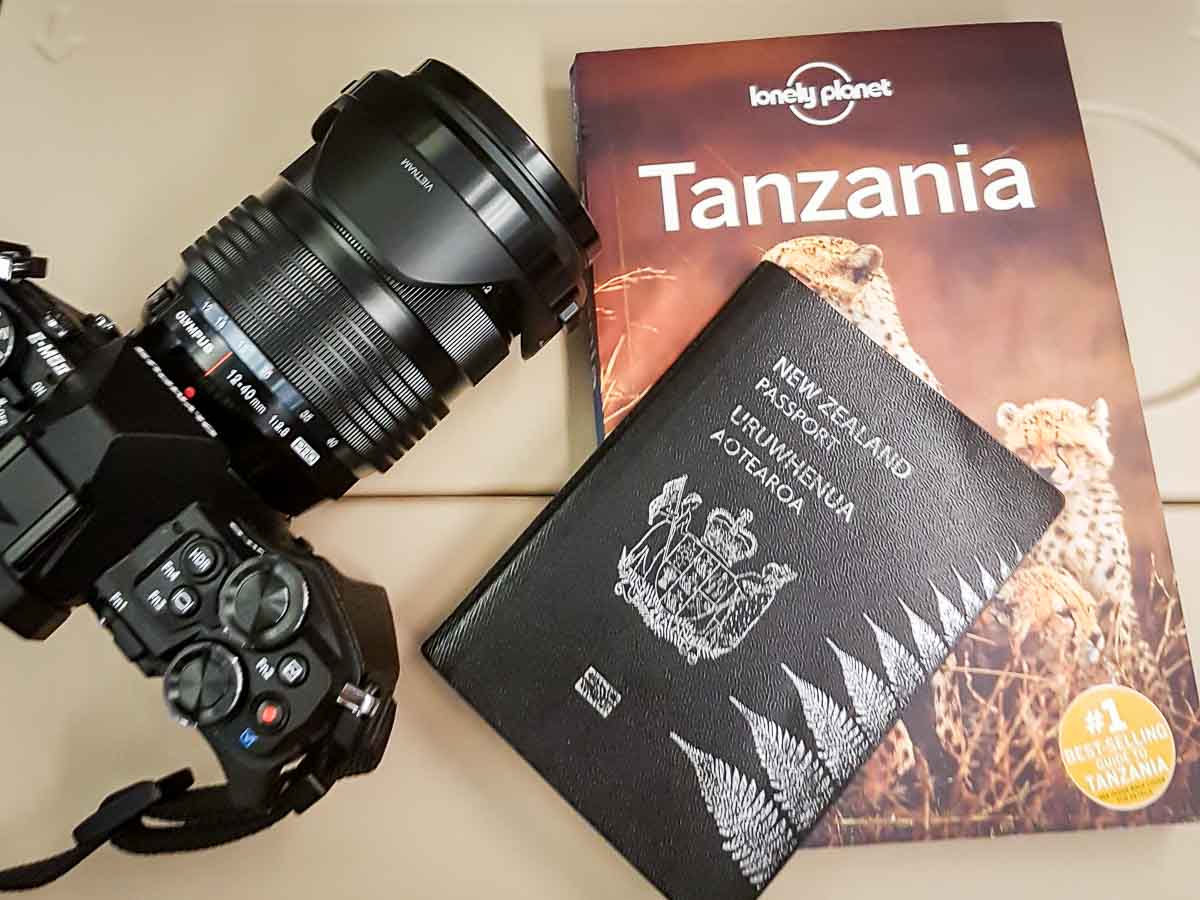
The 7 Best Cameras for Hiking Kilimanjaro: A Comprehensive Guide

As an avid hiker and photographer, I know the importance of capturing those breathtaking moments on the trail. And what better place to do that than on the top of Mount Kilimanjaro? But with so many camera options out there, it can be overwhelming to choose the right one for your Kilimanjaro expedition.
When choosing a camera for hiking Kilimanjaro, it’s important to consider factors such as durability, weight, image quality, and rechargeability. My top recommendations include the GoPro Hero 8, Sony DSC-RX100 III, and the Olympus OMD EM1. These cameras offer high-quality images, durability, and long battery life, making them ideal for capturing those breathtaking moments on the top of Kilimanjaro.
In this guide, I’ll discuss the best cameras for hiking Kilimanjaro and what you need to consider before making your decision.
Table of Contents
Best Camera for Trekking Kilimanjaro Mountain
When it comes to choosing the best camera for hiking Kilimanjaro, there are a few factors to consider. First, you’ll want a camera that can withstand the rugged terrain and harsh weather conditions. Second, you’ll want a camera that can capture high-quality images and videos. And lastly, you’ll want a camera that is lightweight and easy to carry.
What Type of Camera to Bring to Kilimanjaro (Pros and Cons)
There are several types of cameras to choose from when hiking Kilimanjaro, each with their own pros and cons. Let’s take a closer look at each type:
Option 1. DSLR or Mirrorless
DSLR cameras are a popular choice among photographers for their high-quality images and versatility. They offer interchangeable lenses and manual controls, allowing you to adjust settings to your liking. However, DSLRs are bulky and heavy, making them less ideal for hiking.
Option 2. Point and Shoot Camera
Point-and-shoot cameras are compact and lightweight, making them a great option for hiking Kilimanjaro. They are easy to use and often come with built-in features like image stabilization and zoom. However, the image quality may not be as high as a DSLR.
Option 3. GoPro or Similar Action Cam
GoPro cameras are designed for action and adventure, making them a great option for Kilimanjaro. They are small, lightweight, and can capture high-quality video footage. However, they may not be as good at capturing still images.
Option 4. Phone Cameras
Many smartphones today come with high-quality cameras, making them a convenient and easy option for capturing images on Kilimanjaro. However, they may not perform as well in low light conditions and may not have as many manual controls as a DSLR.
What You Need to Consider
Before choosing a camera for hiking Kilimanjaro, there are a few things you’ll want to consider:
Charging Camera Batteries on Kilimanjaro
One of the biggest challenges of hiking Kilimanjaro is staying powered up. Make sure you bring extra batteries and a solar charger to keep your camera charged throughout your expedition.
Dealing With The Cold Temperature
The temperature on Kilimanjaro can range from hot to freezing, so it’s important to choose a camera that can handle extreme temperatures.
Tip: Batteries stop working in the cold. Therefore i always take two, and keep one in my breast pocket (to keep it warm) while the other is in the camera. When the camera one cools down to the point where it stops working, i can swap it out with the warm one and repeat!
Solar Charging Options
Solar charging is a great option for keeping your camera batteries charged on Kilimanjaro. Make sure to bring a solar charger with you, and test it out before your hike to ensure it’s working properly.
Wide Angle
Kilimanjaro offers some of the most breathtaking views in the world, so you’ll want a camera that can capture it all. Look for a camera with a wide-angle lens to capture those panoramic shots.
Lightweight
When hiking Kilimanjaro, every ounce counts. Choose a camera that is lightweight and easy to carry.
Low Light
The lighting conditions on Kilimanjaro can vary, so it’s important to choose a camera that can handle low light conditions. Look for a camera with a low aperture and high ISO capabilities.
Top Tips and Tricks to Saving Battery Life
When hiking Kilimanjaro, it’s important to conserve battery life as much as possible. Here are some tips and tricks to help you save battery life:
- Turn off Wi-Fi and Bluetooth
- Use airplane mode
- Turn off the LCD screen
- Lower the screen brightness
- Turn off GPS
The Best Cameras for Kili (Our Recommendations)
Based on our research and personal experience, here are our top camera recommendations for hiking Kilimanjaro:
- GoPro Hero 8
- Sony DSC-RX100 III
- Fuji X30
- Olympus OMD EM1
- Canon EOS 5DS R
- Nikon D810
- Sony Alpha a7R II
| Camera Model | Price | Weight (g) | Weight (oz) | Megapixels | Weatherproof | Battery Life (shots) | Overall Rating |
|---|---|---|---|---|---|---|---|
| GoPro Hero 8 | $299.99 | 126g | 4.44oz | 12 MP | Yes | 1220 | 4.5/5 |
| Sony DSC-RX100 III | $748.00 | 290g | 10.23oz | 20.1 MP | No | 320 | 4/5 |
| Fuji X30 | $499.99 | 423g | 14.92oz | 12 MP | No | 470 | 3.5/5 |
| Olympus OMD EM1 | $1,699.00 | 497g | 17.53oz | 16.3 MP | Yes | 350 | 4.5/5 |
| Canon EOS 5DS R | $3,699.00 | 930g | 32.80oz | 50.6 MP | Yes | 700 | 5/5 |
| Nikon D810 | $2,496.95 | 980g | 34.57oz | 36.3 MP | Yes | 1200 | 4.5/5 |
| Sony Alpha a7R II | $1,798.00 | 625g | 22.05oz | 42.4 MP | Yes | 290 | 4/5 |
Note: The battery life is an approximation and depends on usage, temperature, and other factors.
GoPro Hero 8
The GoPro Hero 8 is a great option for hiking Kilimanjaro for its durability, lightweight design, and ability to capture high-quality video footage. It is also waterproof, making it ideal for capturing images in wet conditions.
| Camera Model | Price | Weight (g) | Weight (oz) | Megapixels | Weatherproof | Battery Life (shots) | Overall Rating |
|---|---|---|---|---|---|---|---|
| GoPro Hero 8 | $299.99 | 126g | 4.44oz | 12 MP | Yes | 1220 | 4.5/5 |
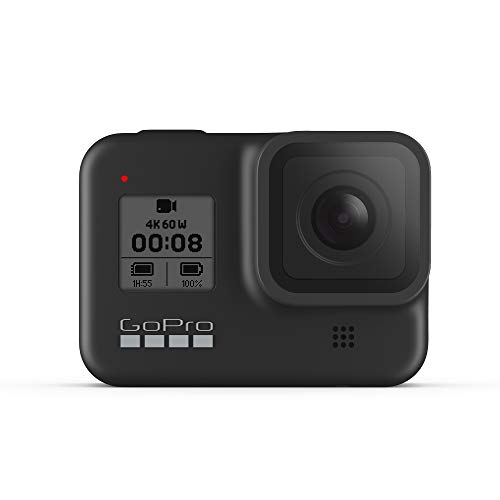
GoPro Hero 8
(Best Camera for Kilimanjaro)
Pros
Cons
Sony DSC-RX100 III
The Sony DSC-RX100 III is a compact camera that can capture high-quality images, making it a great option for hiking Kilimanjaro. It also has a wide-angle lens, making it ideal for capturing panoramic shots.
| Camera Model | Price | Weight (g) | Weight (oz) | Megapixels | Weatherproof | Battery Life (shots) | Overall Rating |
|---|---|---|---|---|---|---|---|
| Sony DSC-RX100 III | $748.00 | 290g | 10.23oz | 20.1 MP | No | 320 | 4/5 |
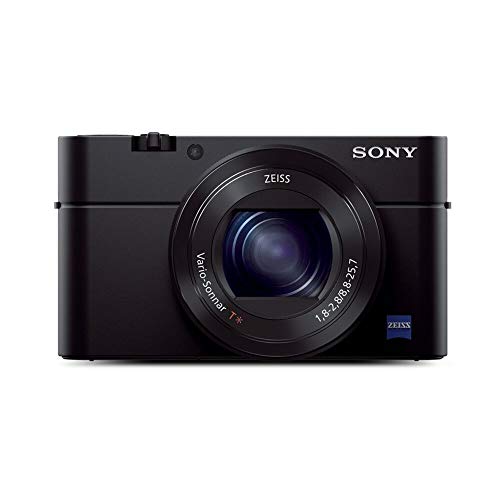
Sony DSC-RX100 III
(Best Compact Camera for Kilimanjaro)
Pros
Cons
Fuji X30
The Fuji X30 is a compact camera that is easy to use and can capture high-quality images. It also has a built-in viewfinder, making it easier to capture shots in bright sunlight.
| Camera Model | Price | Weight (g) | Weight (oz) | Megapixels | Weatherproof | Battery Life (shots) | Overall Rating |
|---|---|---|---|---|---|---|---|
| Sony DSC-RX100 III | $748.00 | 290g | 10.23oz | 20.1 MP | No | 320 | 4/5 |
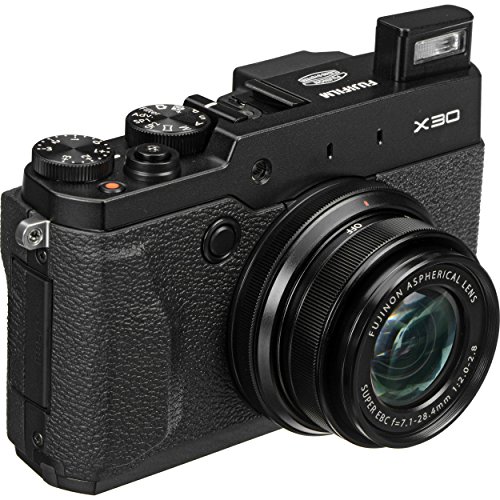
Fuji X30
(Best Camera with Built-in Viewfinder for Kilimanjaro)
Pros
Cons
Olympus OMD EM1
The Olympus OMD EM1 is a durable and weather-sealed camera that can capture high-quality images. It also has a long battery life, making it ideal for extended hikes on Kilimanjaro.
| Camera Model | Price | Weight (g) | Weight (oz) | Megapixels | Weatherproof | Battery Life (shots) | Overall Rating |
|---|---|---|---|---|---|---|---|
| Olympus OMD EM1 | $1,699.00 | 497g | 17.53oz | 16.3 MP | Yes | 350 | 4.5/5 |
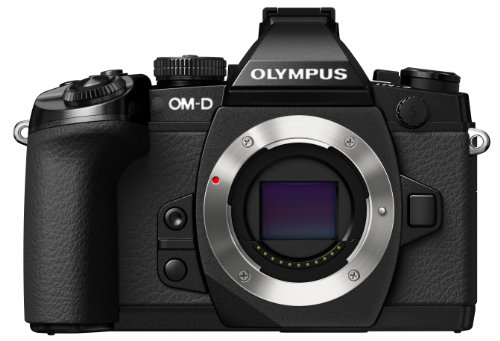
Olympus OMD EM1
(Best Weather-Sealed Camera for Kilimanjaro)
Pros
Cons
Canon EOS 5DS R
The Canon EOS 5DS R is a high-end DSLR camera that can capture high-quality images with its 50.6-megapixel sensor. It also has a weather-sealed body, making it ideal for hiking Kilimanjaro.
| Camera Model | Price | Weight (g) | Weight (oz) | Megapixels | Weatherproof | Battery Life (shots) | Overall Rating |
|---|---|---|---|---|---|---|---|
| Canon EOS 5DS R | $3,699.00 | 930g | 32.80oz | 50.6 MP | Yes | 700 | 5/5 |

Canon EOS 5DS R
(Best High-End DSLR Camera for Kilimanjaro)
Pros
Cons
Nikon D810
The Nikon D810 is another high-end DSLR camera that can capture high-quality images. It also has a durable and weather-sealed body, making it ideal for hiking Kilimanjaro.
| Camera Model | Price | Weight (g) | Weight (oz) | Megapixels | Weatherproof | Battery Life (shots) | Overall Rating |
|---|---|---|---|---|---|---|---|
| Nikon D810 | $2,496.95 | 980g | 34.57oz | 36.3 MP | Yes | 1200 | 4.5/5 |
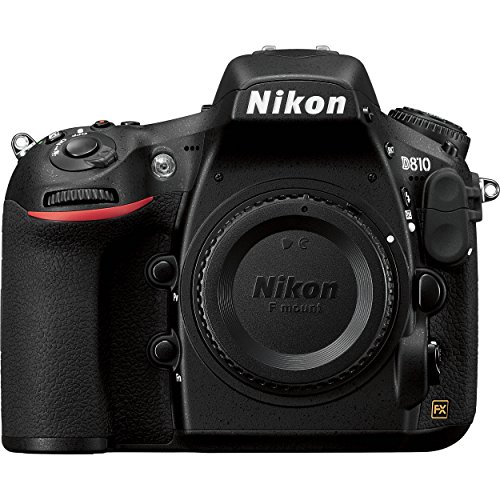
Nikon D810
(Best High-End DSLR Camera for Kilimanjaro)
Pros
Cons
Sony Alpha a7R II
The Sony Alpha a7R II is a mirrorless camera that can capture high-quality images with its 42.4-megapixel sensor. It also has a durable and weather-sealed body, making it ideal for hiking Kilimanjaro.
| Camera Model | Price | Weight (g) | Weight (oz) | Megapixels | Weatherproof | Battery Life (shots) | Overall Rating |
|---|---|---|---|---|---|---|---|
| Sony Alpha a7R II | $1,798.00 | 625g | 22.05oz | 42.4 MP | Yes | 290 | 4/5 |

Sony Alpha a7R II
(Best Mirrorless Camera for Kilimanjaro)
Pros
Cons
What Accessories You’ll Need
In addition to a camera, there are a few accessories you’ll want to bring with you on your Kilimanjaro expedition:
Here’s a summary table for the accessories you’ll need for climbing Kilimanjaro:
| Accessory | Why You Need It |
|---|---|
| Long-lasting Batteries | Keep your camera powered up throughout your hike |
| Waterproof Bag | Protect your camera from the elements |
| Microphone | Capture high-quality audio for your videos |
| Extra Batteries | Always have a backup in case your batteries die |
| Tripods | Stabilize your camera and capture steady shots |
Long-lasting Batteries
Make sure to bring extra batteries and a solar charger to keep your camera powered up throughout your hike.
Waterproof Bag
Protect your camera from the elements with a waterproof bag.
If you’re looking for a great waterproof camera bag, I highly recommend the Peak Design Everyday Sling 10L. It’s durable and weatherproof, making it ideal for hiking Kilimanjaro. It’s also compact and lightweight, making it easy to carry. Plus, it has customizable dividers and pockets, so you can keep your camera and other accessories organized.

Peak Design Everyday Sling 10L
(Best Waterproof Camera Bag for Kilimanjaro)
Pros
Cons
A Microphone is the Most Important Thing When Recording Video
If you plan on recording video, a good microphone is essential for capturing high-quality audio.
Kilimanjaro is super windy, and without a good lapel mic you’ll be impossible to hear over the crackle of the wind
For recording your personal voice, we recommend the Rode VideoMicro Compact On-Camera Microphone. It is highly rated for its sound quality, lightweight design, and compatibility with a variety of cameras.

Rode VideoMicro Compact On-Camera Microphone
(Best Microphone for Kilimanjaro)
Pros
Cons
Always Carry Extra Batteries
You never know when you’ll need an extra battery, so make sure to bring a few backups with you.
Consider how your camera charges. Can you use a USB powerbank? Or will you need to carry enough spares for the whole trip? (That’s a long time and potentially a lot of batteries)
Does your camera sell long-life batteries as well as regular ones?
Tripods
A tripod can be helpful for stabilizing your camera and capturing steady shots.
I recommend the Manfrotto Compact Tripod. It’s lightweight and compact, making it ideal for hiking Kilimanjaro. It’s also highly rated for its stability and ease of use.
If you’re planning any time lapse or astro-photography a tripod is a must. Otherwise, you probably can save the weight and leave the tripod at home
I tried to make do with one of those gorilla pods which was absolutely useless and I wouldn’t recommend it.
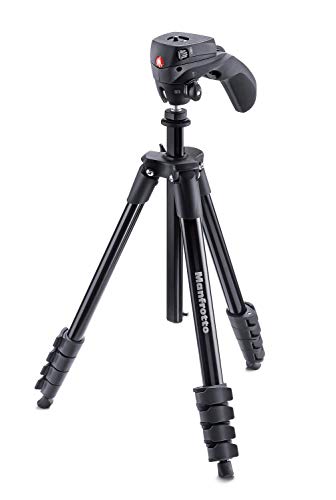
Manfrotto Compact Tripod
(Best Tripod for Kilimanjaro)
Pros
Cons
Kilimanjaro Camera FAQ
Here are the answers to some frequently asked questions about cameras on Kilimanjaro:
Do Phones Work on Kilimanjaro?
Yes, smartphones can work on Kilimanjaro, but you may not have a signal in all areas. You’ll need a Tanzanian SIM card to connect, or be roaming with a provider compatible with the Tanzanian networks.
Is There WiFi on Mount Kilimanjaro?
No, there is no WiFi on Mount Kilimanjaro. If you want internet you’ll need to get a Tanzanian SIM card and a data pack.
What Cameras Do Mountaineers Use?
Mountaineers use a variety of cameras, but the most popular are GoPros, DSLRs, and point-and-shoot cameras.
How Many Camera Batteries Should You Pack for Kilimanjaro?
This all depends on what sort of camera, how many photos you plan to take, and Irecommend packing at least two extra camera batteries for your Kilimanjaro expedition.
Tip: As mentioned above, batteries stop working in the cold. Therefore i always take two, and keep one in my breast pocket (to keep it warm) while the other is in the camera. When the camera one cools down to the point where it stops working, i can swap it out with the warm one and repeat!
Which Mobile Network is Best for Kilimanjaro?
Tanzania has several mobile networks, but the most popular are Vodacom and Airtel.
I used Airtel and had reasonably good reception on the mountain (although i found the data speeds kind of slow.. but maybe thats the same for both networks?)
Conclusion
When it comes to choosing a camera for hiking Kilimanjaro, there are many factors to consider. Choose a camera that can withstand the rugged terrain and harsh weather conditions, captures high-quality images and videos, and is lightweight and easy to carry. Don’t forget to bring extra batteries, a solar charger, and other accessories to keep your camera powered up and protected. With the right camera and accessories, you’ll be able to capture those breathtaking moments on the top of Kilimanjaro for years to come.
[block id=”kilimanjaro-travel-cheatsheet”]