What To Do In Kyoto | 2-Day Itinerary (With Map!)

I get strange looks from people when I tell them I didn’t really rate Japan
(I didn’t realise this was such a controversial opinion!)
But that’s mainly based on the big city vibe from Tokyo and Osaka to be honest. The pace, the hustle and bustle, the stress people (locals) seemed to be under every day.
Even as a tourist, everything felt very prescribed, very regimented. It felt very hard to step past that and discover Japan for myself, organically.
Fortunatly when we arrived it Kyoto it was a breath of fresh air. Things felt quieter. Slower. More relaxed.
People seemed less stressed. Kinder. More tollerant of me as a dumb tourist! And the attractions we’re just filled with forign tourists, but with local Japanese tourist too.
We loved Kyoto!
Hot Take: Skip the chaos of Tokyo and Osaka and head straight to Kyoto – for a quieter, cuter, and more authentic Japan experience.

Table of Contents
What To Do In 2 Days In Kyoto
Two days in Kyoto is not long enough, but it is enough to get properly excited about the place. This itinerary keeps the temples under control and mixes them with hiking, matcha, sake, markets, a tea ceremony and one very good boat ride.
Day one runs south through Fushimi Inari, Uji and the Fushimi sake district before finishing around Nishiki and Gion. Day two starts in Arashiyama, moves out to Kameoka for lunch and the Hozugawa boat, then finishes back in central Kyoto.
My Take: When I was googling ‘what to do in Kyoto’ every list told me I had to visit about 23 different temples! That’s cool and all.. but I can’t do more than a couple of temples (shrines) before all my spending money ends up in a wishing well. So I’ve tried to make this list a little more well rounded, with heaps to eat, drink and do.. and only a couple of temples :)
Day 1 Itinerary
Waking up in Kyoto feels quieter than anywhere else I’ve been. With only two full days in the city, I wanted them to count. So we set the tone with a morning hike and let the day unfold from there.
This is the ambitious version of day one. Start Fushimi Inari before 7am and keep an eye on the time in Uji. If the sake tasting develops a life of its own (very possible), skip Nishiki rather than sprinting through the tea ceremony and Gion.
1. Hike Fushimi Inari Taisha
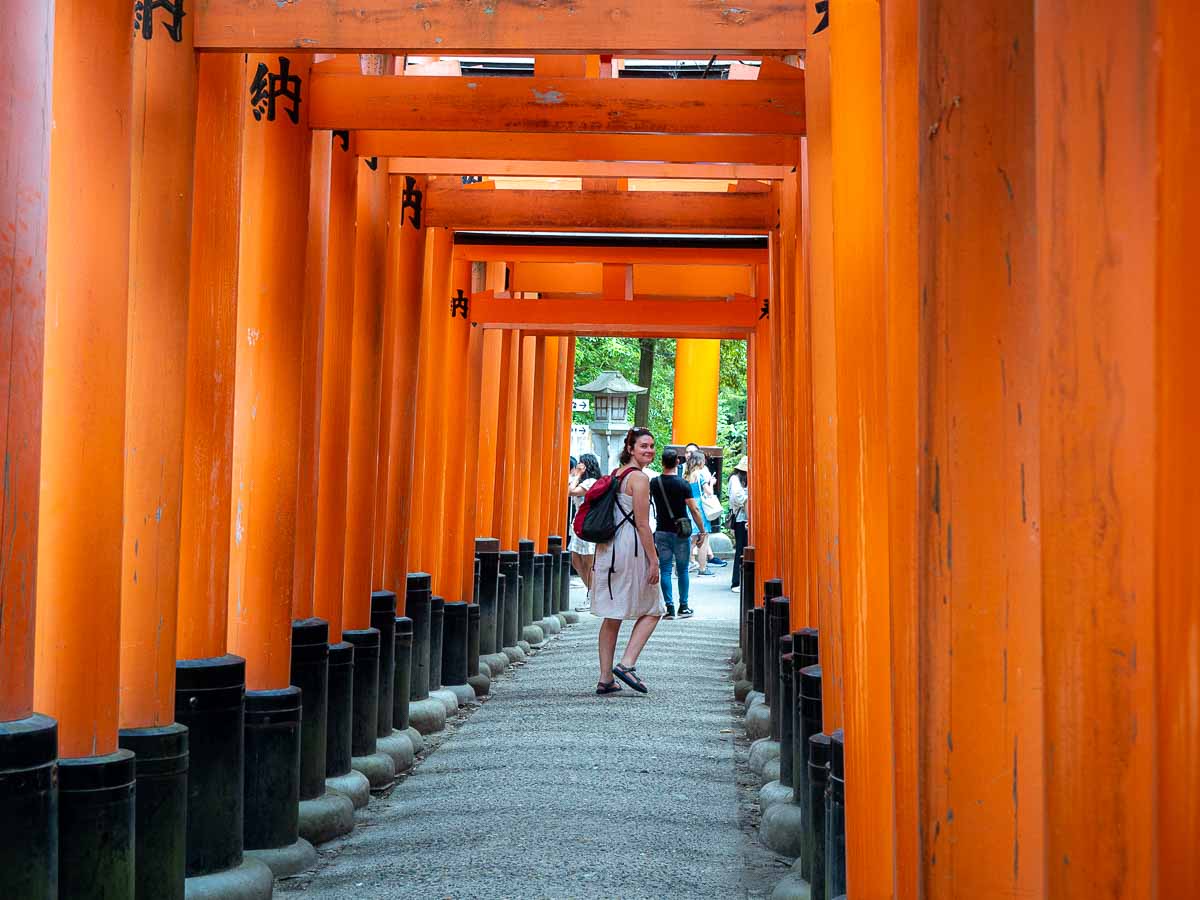
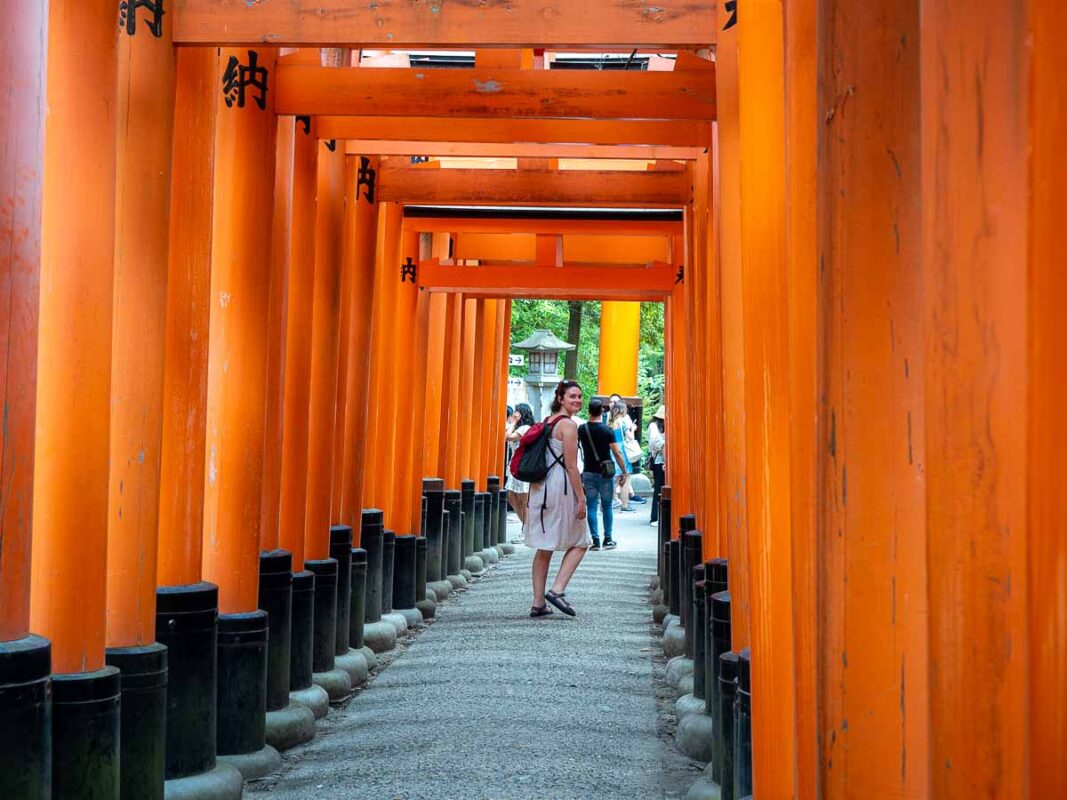
We arrived at Fushimi Inari just before 7 AM, and the world still felt half-asleep. The iconic red torii gates wind up Mount Inari like a portal into another world. We took the advice from a reddit post to get there early and, after passing by again later in the day, it was obvious why!
Tip: Trust me on this – you’ll want to get there early!!
What I didn’t realize until I was there was just how long the path was. The full hike to the summit can take two hours round-trip if you stroll, which we did (of course!) but there was so much to take in.
Along the way, you’ll encounter tiny shrines with fox statues peeking from the trees.
The further up you go, the fewer tourists you see, so you’ll have a better opportunity to appreciate your surroundings and take a couple of pics. The view from the top is well worth the walk!
2. Take a Train to Uji For World Famous Matcha
Back to the hotel for a freshen up and then on a quick train south to Uji. It’s less crowded and more local.
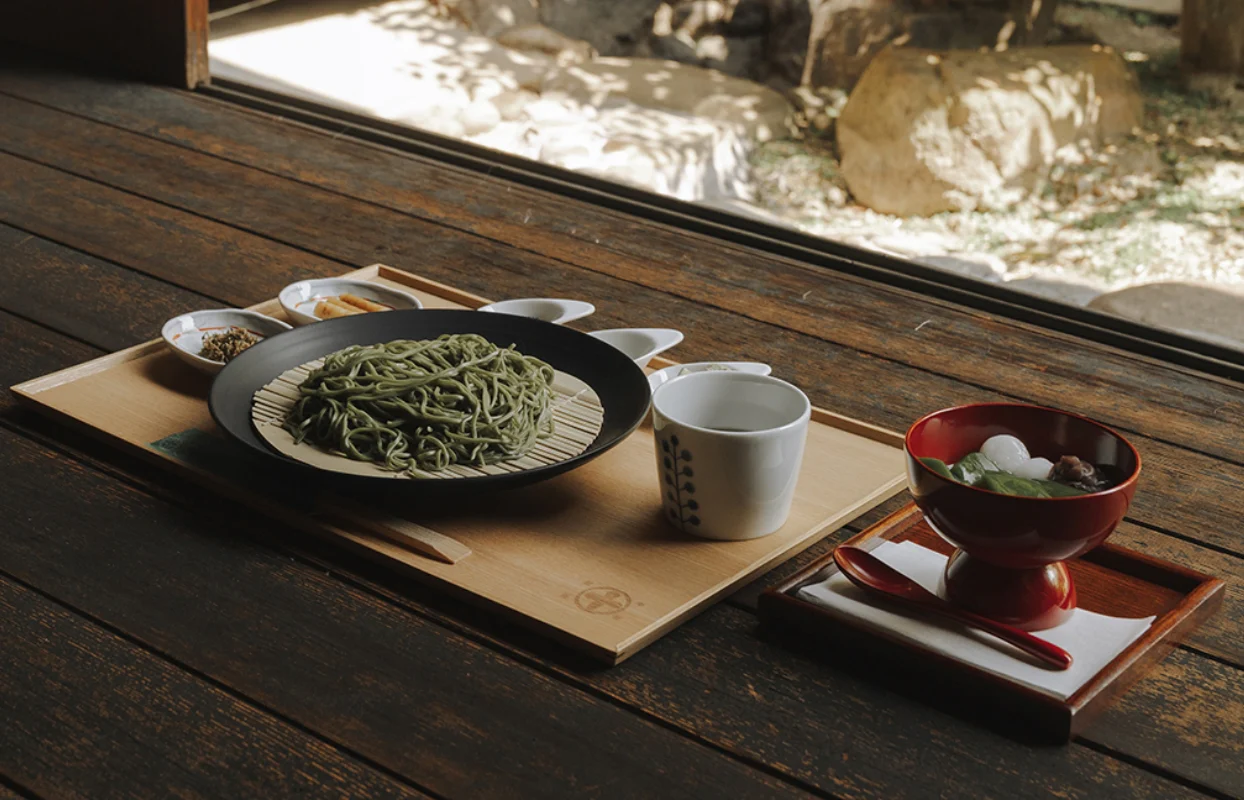
Byodo-in Temple was our first stop. You know that phoenix design on the back of the ¥10 coin? That’s this temple. The main hall floats over a still pond. After a brief tour, I sat across from it under a maple tree, listening to the rustling leaves and the soft splash of koi.
Just down the road is Nakamura Tokichi, one of Uji’s oldest and most famous matcha shops. Their matcha parfait is earthy, silky, and light. Exactly what we needed after walking all morning.
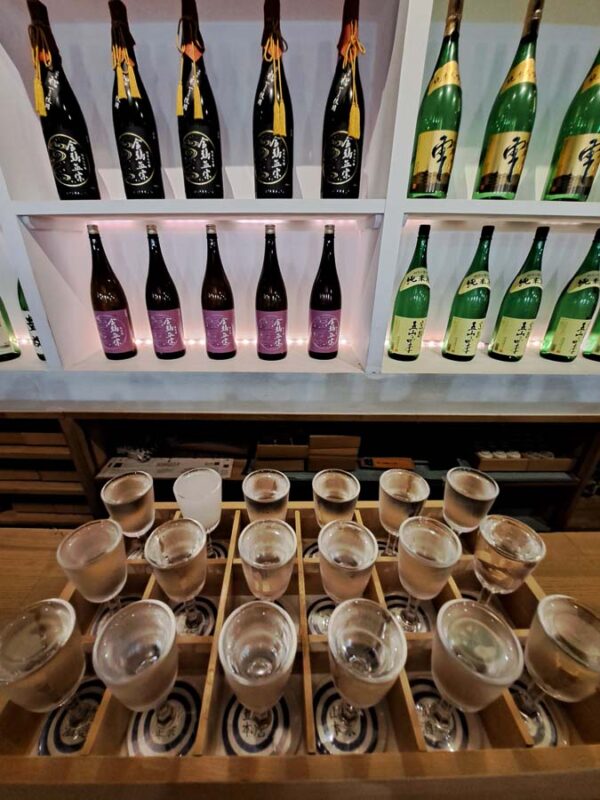
3. Fushimi Sake Village
No trip to japan is complete without sake right?
Well how about trying 18 different sakes in one sitting?
This may not have been the best lunch option but it sure was fun! This is on the train ride back into central Kyoto from Uji (our last stop). Head into Fushimi Sake Village and pick one of the maky sake bars to choose from.
4. Overload Your Senses at Nishiki Market
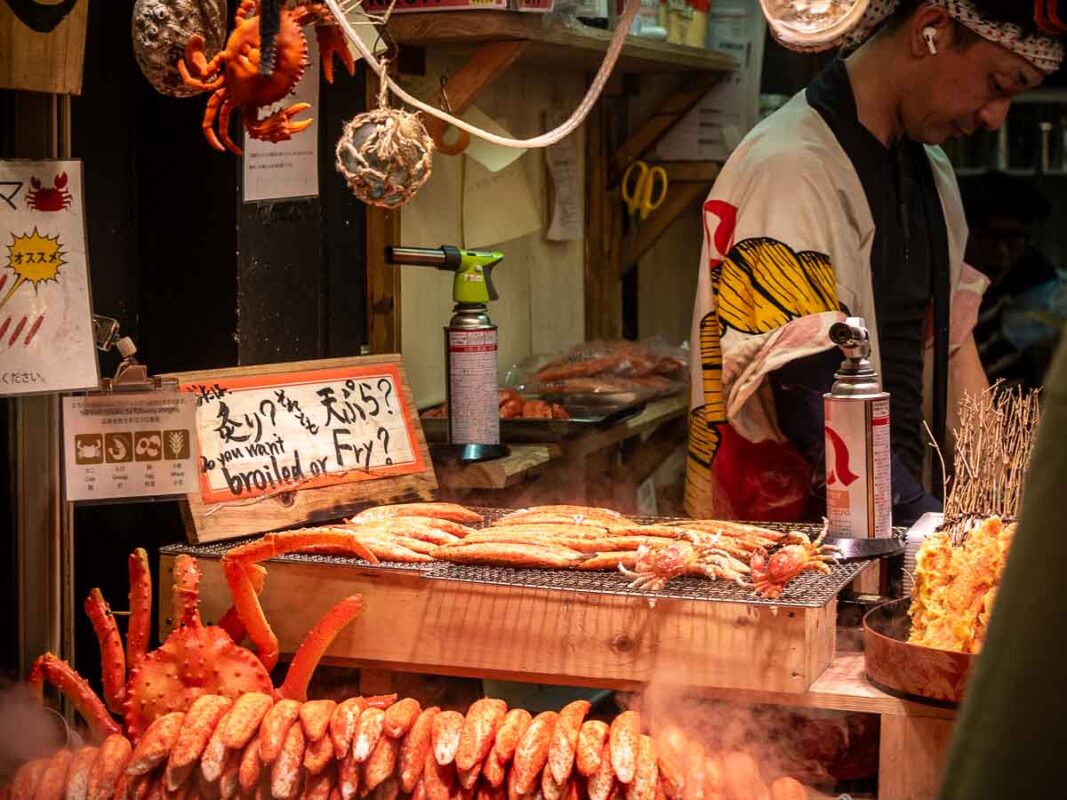
Back on the train, and back into central Kyoto in the early afternoon, just in time for the bustle of Nishiki Market.
Let me just say, this place is a sensory overload in the best possible way. It’s the kind where you let your stomach and curiosity lead.
You’ll find tiny stalls with treats and products of every kind. Peaceful it is not – the lane is narrow and properly busy – but the range of food is brilliant. Buy something, eat it at the stall and keep moving; eating while walking through Nishiki is specifically discouraged.
Recommendation: You’ll only scratch the surface walking through the market by yourself. The best way to really experience it is with a guide and with your stomach! We took the Nishiki Market Food and Culture Tour and would highly recommend you do the same (Book here on Viator)
5. Participate in a Tea Ceremony at Camellia Flower
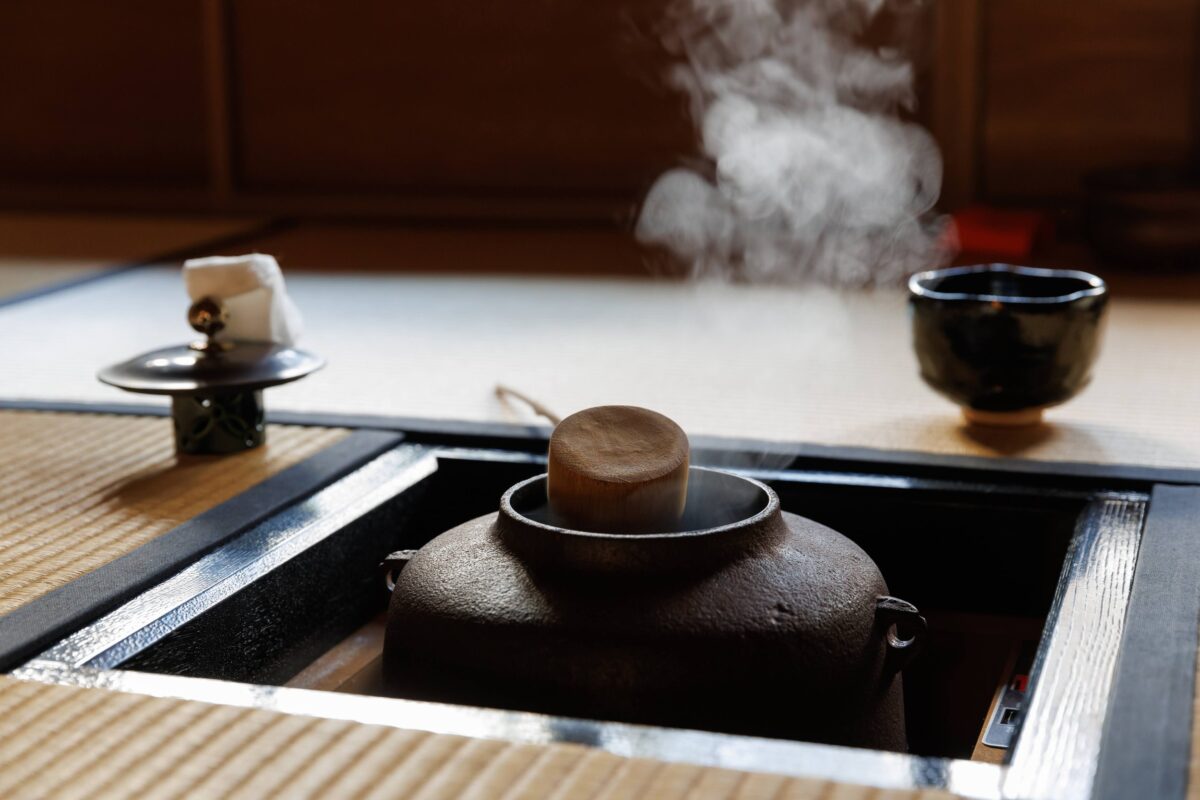
Next on the list, a traditional tea ceremony at Camellia Flower, a beautiful little tearoom tucked away near Ninenzaka. I’d never done anything like this before, and I was a little intimidated. I expected stiff formality and lots of rules.
But our host was warm and engaging. She explained every movement with grace and humor, breaking down the symbolism behind the ritual and the precise way to turn the teacup before you sip.
We booked on Viator for $40pp and was able to get a spot for the next day, but apparently this sells out well in advance in busy season so might pay to check ahead of time
6. Visit Yasaka Shrine in the Famous Geisha District
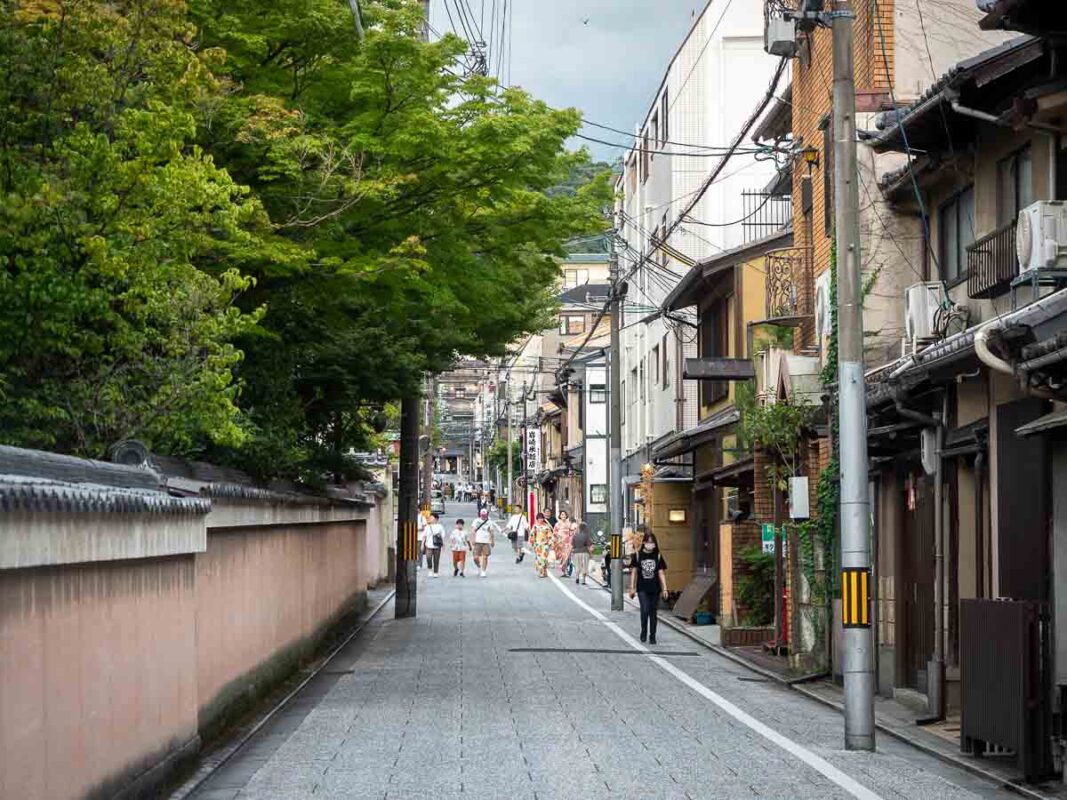
As the sun dipped low, We found ourselves wandering through Gion, Kyoto’s famous geisha district. I’ve read about this place and thought it might feel overly touristy.
Yasaka Shrine at the edge of Gion was glowing by the time we reached it. The shrine has stood for over 1300 years, and even though there were people around, it still felt sacred. The lanterns swayed gently in the breeze, casting golden light across the grounds.
7. Dinner at Gion Yamagishi
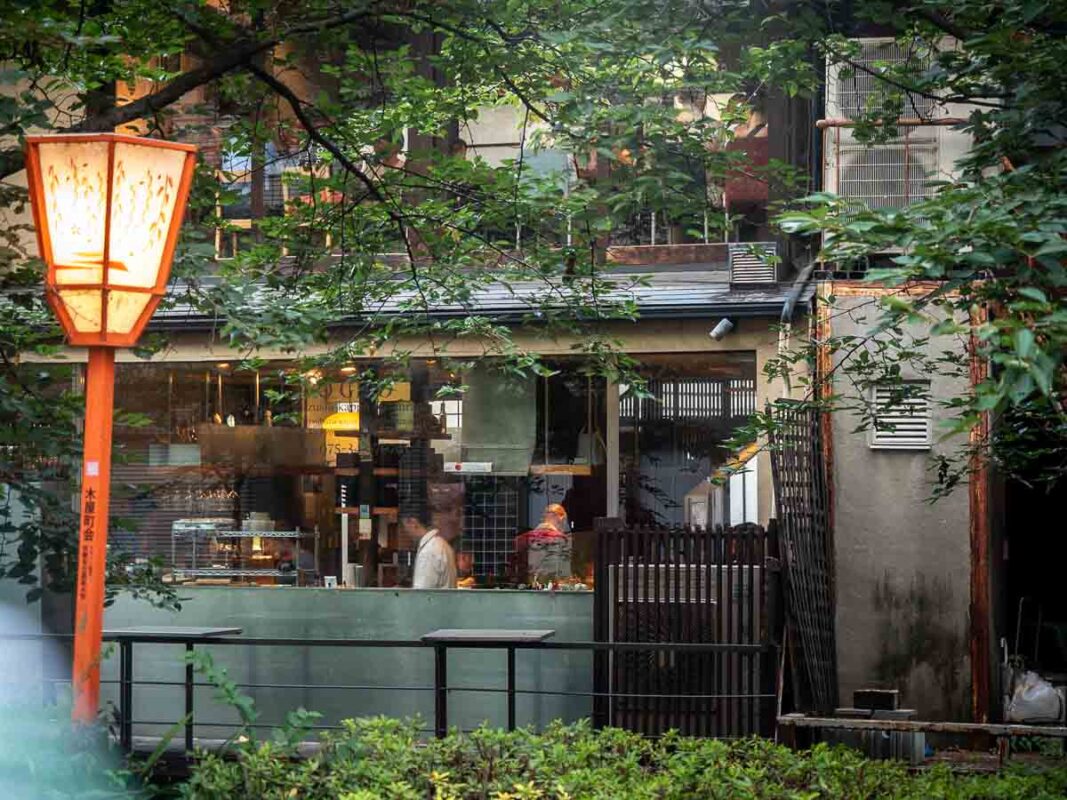
Dinner that night was a Kaiseki meal at Gion Yamagishi, and it was the perfect way to close the day. Each course is seasonal, symbolic, and beautifully presented. We ordered mountain vegetables, delicate sashimi, and warm miso soup.
8. Stay the Night at The Celestine Kyoto Gion
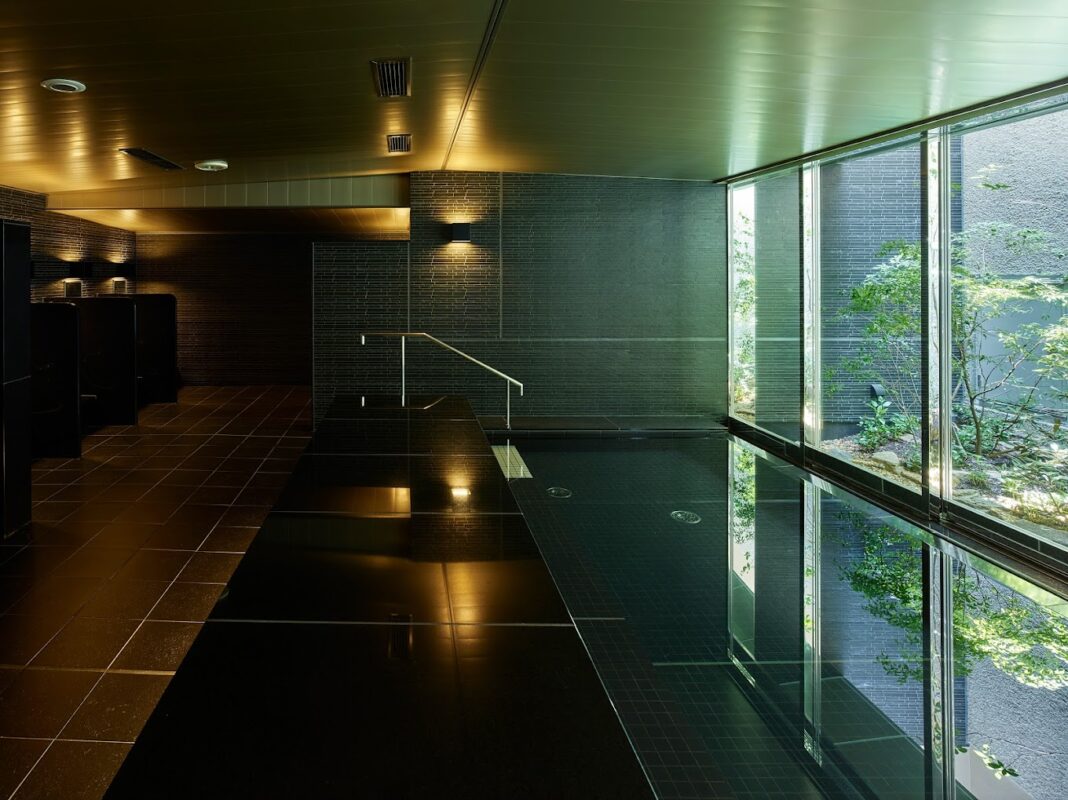
We checked into The Celestine Kyoto Gion for the night (We’ll, we actually arrived the night before but it reads better this way).
It was the perfect base for these two days: modern, quietly Japanese and in the right part of Gion for walking to most of the places we wanted to eat or visit.
The large public bath was the real winner after being on my feet all day. It is a Japanese-style shared bath rather than a natural onsen, but my legs were not interested in the technical distinction.
There are plenty of more budget options of course, but this would be my recommendation for your visits :)
(you can book here through Booking.com)
Day 2 Itinerary in Kyoto
After a full first day of cultural highs, we wanted the second day to be more about exploring Kyoto’s natural beauty.. And a chance to eat some more epic food of course!
1. Morning Walk at the Arashiyama Bamboo Grove
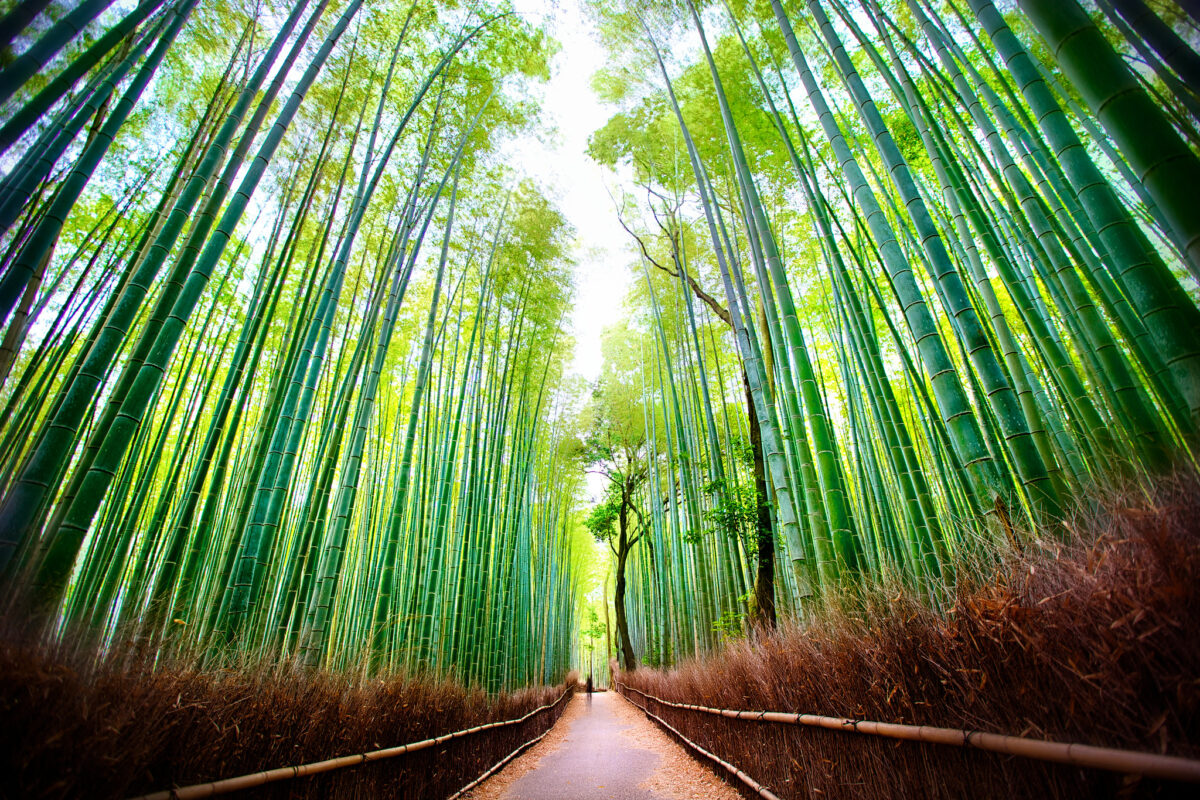
Our day starts early again, this time heading out to the Arashiyama district on the western edge of Kyoto. I’ve seen photos of the famous Bamboo Grove, but nothing really prepares you for it. The bamboo stalks tower above you, so tall they almost seem to sway together like a forest of giants.
We also wandered past the Tenryu-ji Temple. It was slightly busier here, but the Zen garden calms the mind effortlessly. After the peacefulness of the bamboo grove, this felt like the perfect contrast. A wide expanse of raked gravel, carefully placed rocks, and beautiful flowers in bloom.
2. Stroll Through the Otagi Nenbutsu-ji Temple
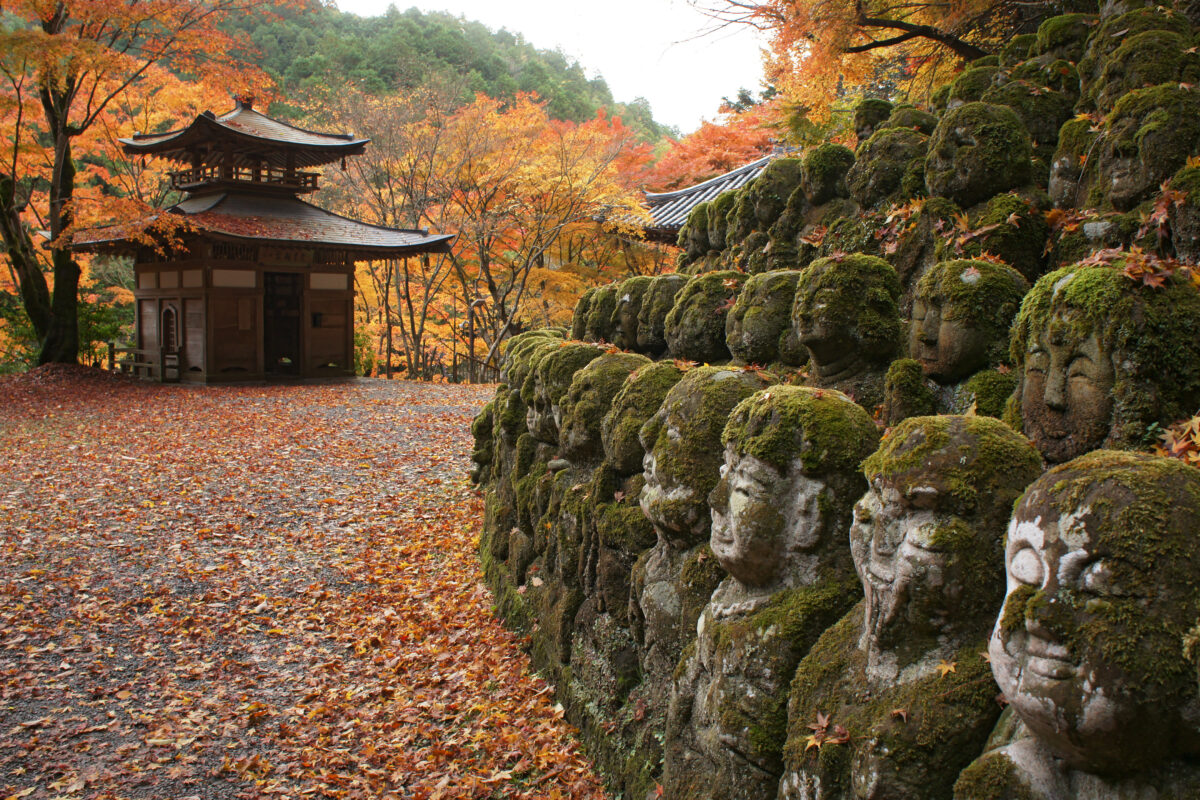
After soaking up the serenity of Arashiyama, it was off to Otagi Nenbutsu-ji Temple. Hidden in the hills behind Arashiyama, this temple is quiet, surrounded by thick trees.
The temple’s charm lies in its hundreds of statues, each one carved with a different facial expression. Unlike the grand temples that often feel more like tourist attractions, this place has a real energy.
The small crowds, the winding paths through the trees, and the sound of birdsong in the air made it feel like I had stumbled upon Kyoto’s secret.
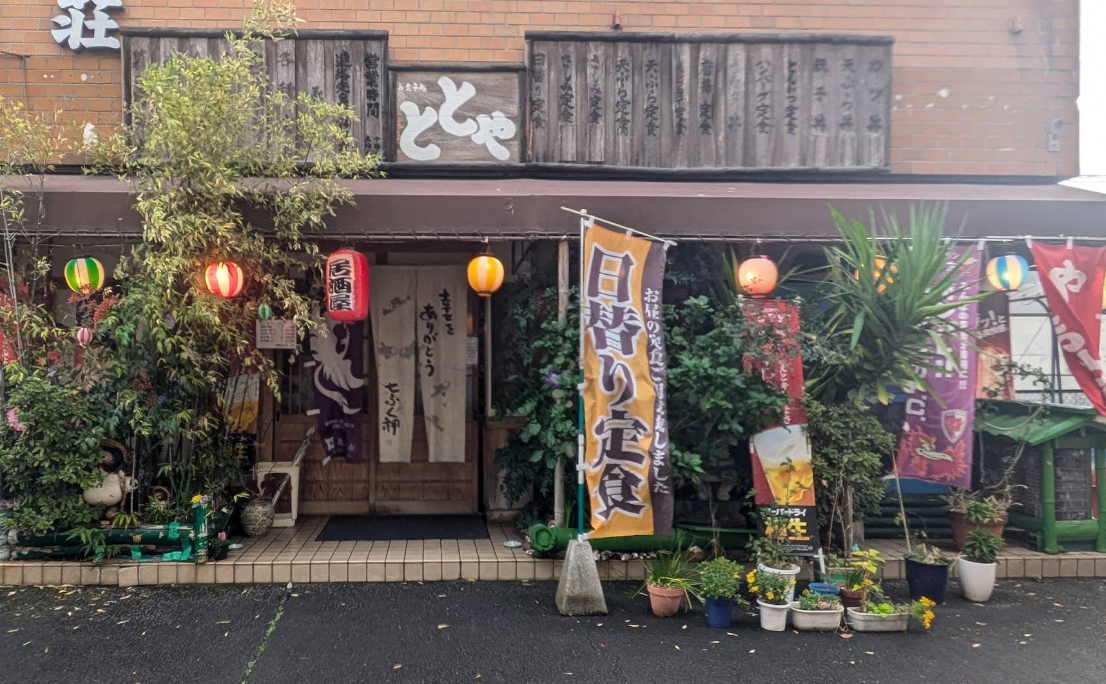
3. Grab Some Local Fare Lunch At Totoya Resturant
We stumbled apon Totoya by chance – looking for something good, cheap and authenic on the way to our next activity, the Hozugawa river cruise. (google maps link)
This local resturant has no english menu but the staff are super helpful and there are some pictures at the wall you can point to :)
🚗 Transport Tip: Take a taxi from Otagi Nenbutsu-ji Temple to Totoya. Then one you’re done its only a short stroll across the road to the Riverboat Cruise (your next adventure!)
4. Cruise the Hozugawa River
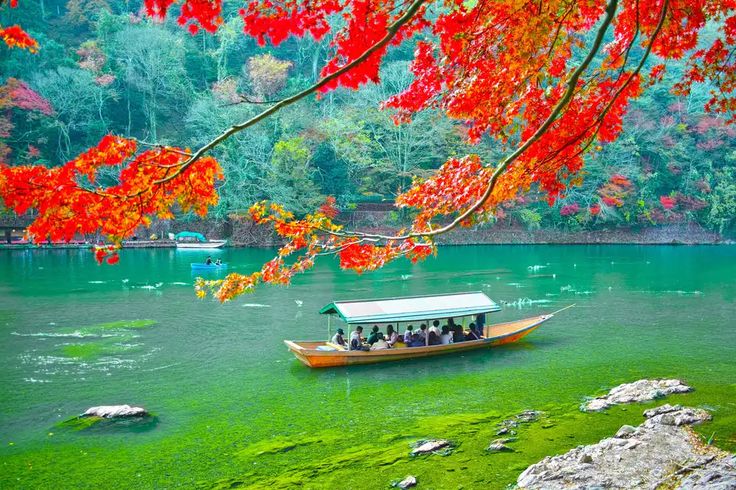
After lunch we made our way toward the banks of the Hozu River. There are a few different ways to do this, but I went with the traitional yakatabune – flat-bottomed boats, steered by experienced boatmen with oars and bamboo poles.
The scenes are splendid. You’ll encounter willow branches trailing into the current, herons standing near the edge, and the occasional flutter of maple leaves above. It’s a great way to admire the cherry blossoms if you’re then in season.
The trip runs from Kameoka back to Arashiyama and takes roughly two hours, depending on the river. Adult tickets currently cost ¥6,000 (about US$40). Check the official timetable and booking page for your date; departures vary and bad weather or high water can stop the boats.
5. Optional Extra! View Kiyomizu-dera
If the boat gets you back early enough, this is the sensible moment to squeeze in one more sight before dinner. Otherwise, leave it for day three.
No visit to Kyoto is complete without seeing Kiyomizu-dera, and even if you’re templed out, you don’t want to miss it. We arrived around mid-afternoon, and while it was definitely busier than some places I’d been the day before, the views made it worth every bit of the crowd.
Perched on the edge of a hill overlooking the city, this temple has sweeping views of Kyoto. The main hall is impressive too. I stood on that platform for a while, just taking in the view, feeling like the entire city was laid out before me in a patchwork of old and new.
The water from the Otowa Waterfall beneath the temple is believed to bring good fortune, and I didn’t pass up the chance to drink a cup. Whether it worked or not, I felt lucky just to be there.
6. Wrap up the Evening in The Pontocho Entertainment District
As the sun started to sets, we’ll make mway to Pontocho, one of Kyoto’s oldest entertainment districts. It’s about a 10 minute walk from the hotel.
The hubub is centred around the banks of the river but as you venture a few streets back the energy mellows out and busy puplic houses are replaced with narrow alleyway, quaint teahouses, restaurants, and lanterns. It was enchanting.
We had dinner at one of the laneway restaurants (checking out but avoiding the more touristy riverside bars). We lingered after the meal, just walking around the district and admiring the city at night.
🍜 Dinner Rec: Between our hotel and Pontocho we stummbled upon Moshimoya (google maps link) – a tiny laneway resturant with a set menu (no choices here) writen entirely in Japanese. This ended up being one of my favorite meals in Japan so check it out if you’re in the area.
If You Have a Third Day
Two days worked, but only because we started early and packed the days properly. With a third day I would not add another seven temples. I would slow down, return to whichever neighbourhood I rushed through and give Kyoto a little more room.
I would also keep the same base in Gion. Being able to walk out for dinner, wander the lanes after dark and finish in that big bath made the ambitious itinerary feel much less silly.
Japan Travel Planning Cheatsheet 🇹🇿
🚑 Should I buy travel insurance for Japan?
100% YES! — Japan has “free” healthcare but it’s only for citizens! Tourists need travel insurance in case anything happens on your visit. Also be aware many policies won’t cover hiking as it’s a high risk activity! (that’s right, check the t&c’s on your complimentary credit card insurance)
I highly recommend World Nomads as you can get specific add-ons for the crazy activities you’re doing – and starts at just $7 a day!
🏩 What’s the best way to book my Kumano Kodo accommodation?
Your only realy two options here are Kumano Travel and Booking.com. Its a complicated process so I wrote this guide here on the best kumano kodo accomodation options
If you don’t want to figure it all out (it’s meant to be a holiday after all) you can book a package tour. Here are my recommendations for both guided and self-guided.
💸How do you pay for things in Japan?
Japan may have flying robots.. but they also still use cash! So you’ll want to get some folding tender out from an ATM when you land. EFTPOS / Debit / Credit Card and Paywave (contactless payments) is common at bigger businesses but small bars, and street vendors want cash.
I personally use a Wise debit card for all my international money needs as they only convert the funds when you make payment, plus they offer a much better spread (margin on the true exchange rate) than the banks do. They work in all Japanese ATMs I tried.
→ Get the Wise card I use — set it up before you fly so it’s ready to tap the moment you land.
🚙 Do you need to rent a car in Japan?
I wouldn’t reccommend it — Transport in Japan is expensive whatever mode you chose, but fortunalty the publc transport system is out of this world in terms of both freqency and coverage. If you are heading to a lot of off the beaten track places, then you may want a rental. I use Discover Cars to find the cheapest rates on rentals cars and remember you can save money if you avoid picking up at the airport.
🚆 What about the JR Rail Pass?
We didn’t – but it depends on the length and itenirary of your trip. The JR Pass is expensive (and just went up in price again!) and if you’re walking the Kumano Kodo you wont need it for probably 6 days straight anyway.
Do the math, but in most cases buying the train fares you need, when you need it will work out more afforably overall – and give you more flexibility (as the JR Pass doesn’t cover all lines)
📲 How do I get internet/data/wifi in Japan and on the trail?
This one needs a whole nother article, but the short version is;
- local SIM cards are cheaper but generally require a fixed term contract (not practical for people visiting)
- Tourist ‘short stay’ SIMs are a bit more expensive but will give you plenty of data while your visiting and are best for solo travelllers.
- If you’re travelling as 2 or more people, renting a pocket WIFI unit from the airport is the most economical option – Works out cheaper than getting two tourists sims
- Use a travel eSIM like Airalo or Airalo. This works from the moment you land is is SOOOOO much easier than trying to pick a data pack in japanese. It also gives you connectivity across neighbouring asian countries if you buy a regional sim! TIP: Grab your Airalo eSIM before you fly and you’ll have data the moment you land, with no hunting for a SIM kiosk.
✈️ What’s the best site to buy flights to Japan?
For finding cheap flights, I recommend Skyscanner. Once you find the flight you’re looking for, I’d then suggest booking directly with the carrier (even if it costs a few $$ more than with one of the agreggators/agencies).
💧Can you drink the water on the Kumano Kodo?
Yes — Japan is very clean. In all townships you’ll pass through and stay along the Kumano Kodo the tap water is drinkable. If you want to drink water from the rivers and streams you generally can but should do so at your own risk. ALWAYS follow best practice and drink from fast flowing water as far up stream as possible. I drank the water and was fine.. but i’d generally recommend a Brita Water Bottle for rehydrating on the trail safely.
🎫 Do I need a visa for Japan?
Likely Not — Japan now recognises 70 countries as ‘visa exempt’ for short term stay. So if you’re a US, UK, NZ, AU and EU passport holder you don’t need a Japansese visas. However, some other countries do (check here!). And if you plan to stay for more than 90 days (an average tourist visa length), you will need to look into the Japanese working holiday visa scheme, or the new Digital Nomad visa scheme.